Category: Health

For blogs that talk about Health

  • Fort Bend County Health and Human Services’ Journey toward a Community Health Assessment

    Fort Bend County Health and Human Services’ Journey toward a Community Health Assessment

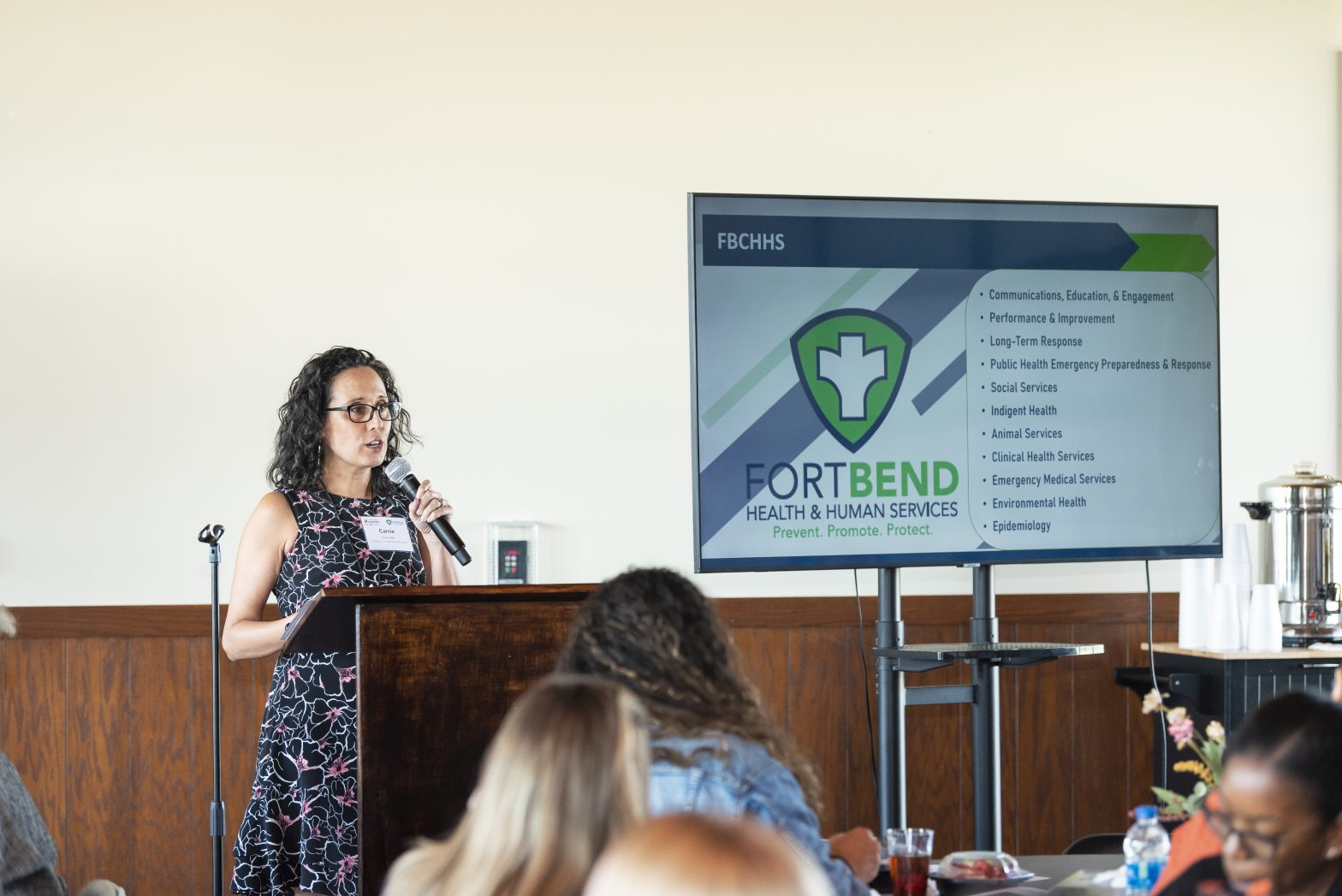
    Banner photo: Carrie Rai, FBCHHS Performance and Innovation Specialist

    This article is the first of a two-part series that describes the community engagement plan and process to create Fort Bend County’s first Community Health Assessment and Health Improvement Plan since 2007.

    In the summer of 2022, Fort Bend County Health & Human Services (FBCHHS) completed its first Community Health Assessment (CHA) in 15 years. The Centers for Diseases Control and Prevention (CDC) defines a CHA as “an assessment that identifies key health needs and issues through systematic, comprehensive data collection and analysis. The ultimate goal of a community health assessment is to develop strategies to address the community’s health needs and identified issues.”  

    The Process

    FBCHHS followed the Association for Community Health Improvement Community Health Assessment Toolkit to guide the CHA process.
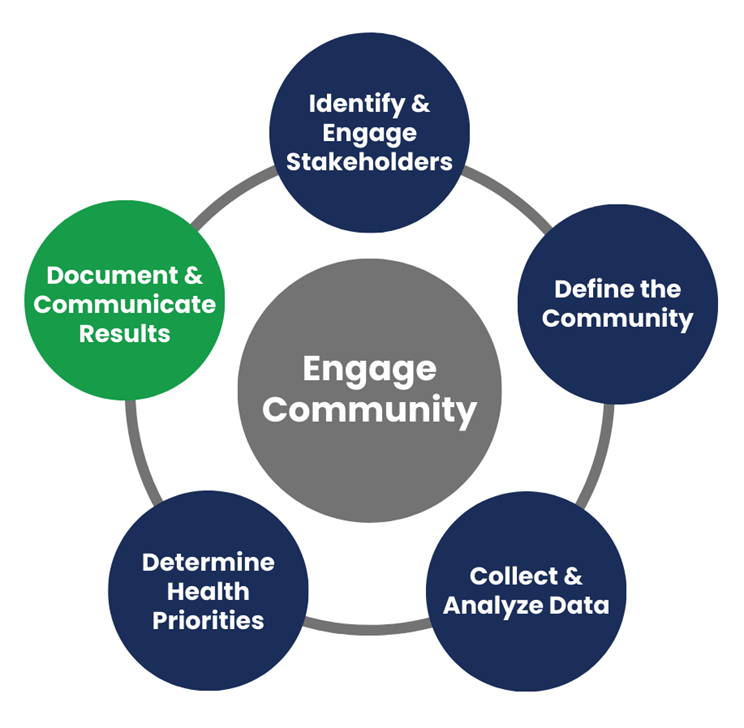
    The CHA process was a collaborative effort, led by FBCHHS. The process of collaboration and community engagement began with identifying stakeholders from a variety of sectors within the community and the creation of the CHA Committee.

    The committee was comprised of FBCHHS divisions and leadership and division representatives alongside community stakeholders representing primary health care, mental health, hospitals, private philanthropy, local government, non-profits, the faith community, academia, transportation, and public safety.

    The committee was integral in guiding the process of the CHA, providing input for and reviewing the methodology, data, analysis, as well as determining the types of secondary data to collect, and what questions to ask in the survey and the key informant interviews. The CHA committee also made suggestions about who to interview and how to administer the survey.

    More than 150 Fort Bend County leaders, residents, stakeholders and health champions and over 70 organizations attended the community input sessions throughout the CHA and community health improvement planning process. Additionally, FBCHHS conducted 25 key informant interviews and administered 845 surveys. These activities provided a platform for diverse agencies, community members and perspectives to be shared to generate inclusive, cohesive and attainable health improvement goals.
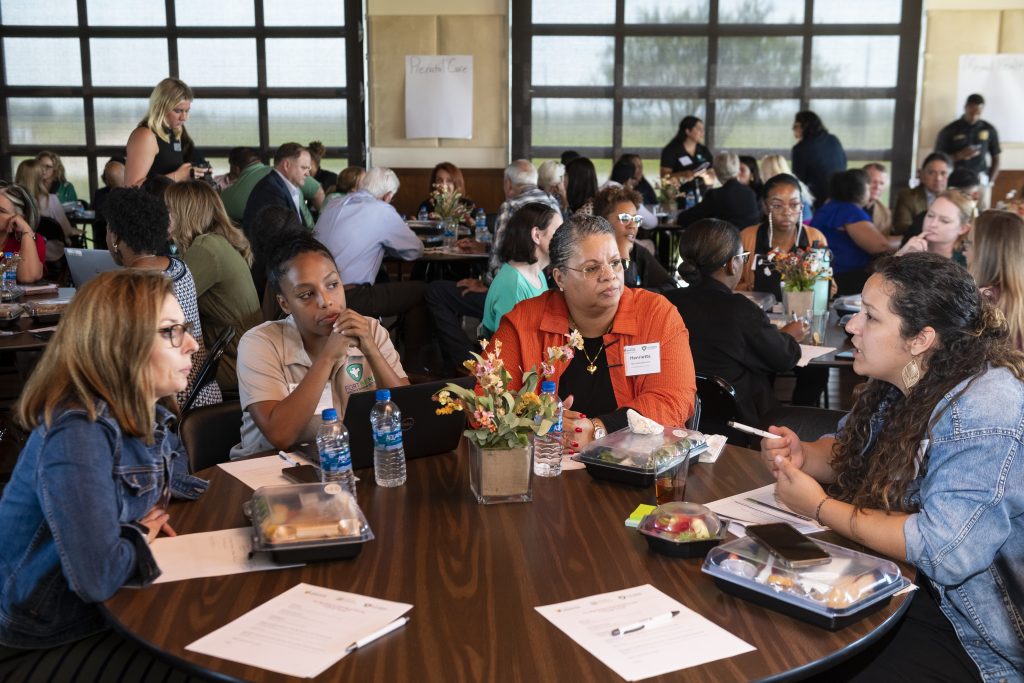
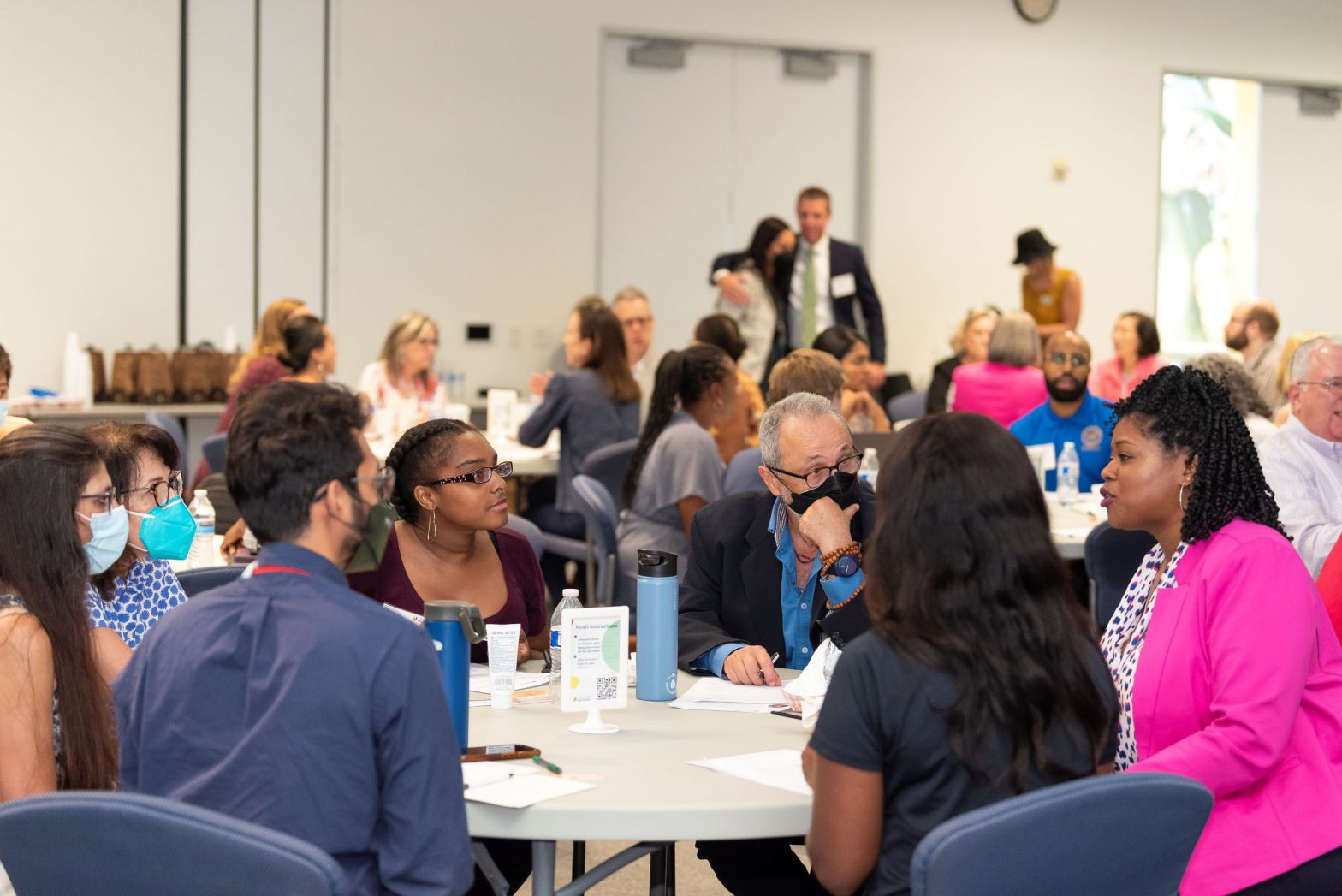
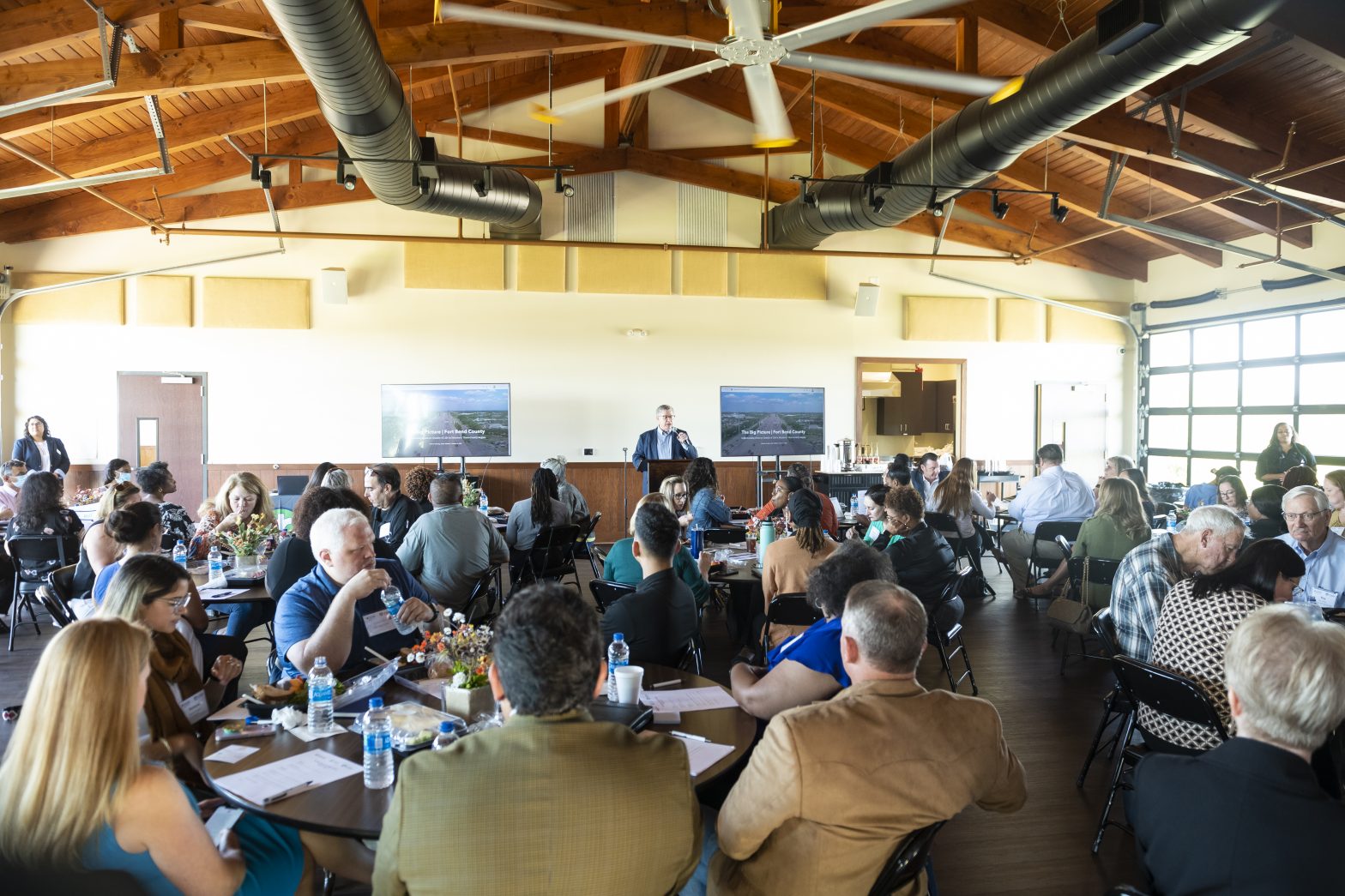
    Image of a room with people around circular tables. The table in focus has four women engaged in conversation.
    Event photo from The Big Picture – Fort Bend County

    Community Health Priorities 

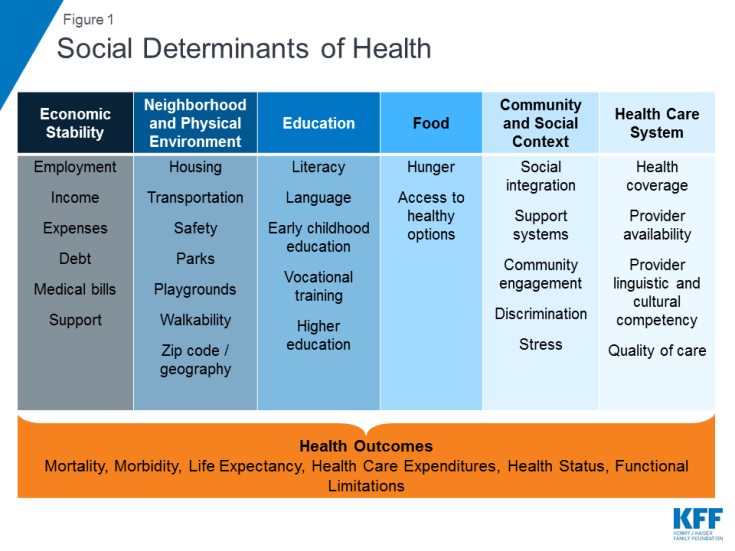
    FBCHHS used the Kaiser Permanente National Community Benefit decision-making criteria for the identification and prioritization of health needs. Quantitative data was compared against the following benchmarks: the state of Texas, U.S. as a whole or the top 10% performing U.S. counties. A health issue was identified when there was poor performance across the comparative benchmarks. Health issues were also identified through thematic analysis of qualitative data from input sessions and Key Informant interviews. Community health need priorities were determined when the same health issue was identified in both the quantitative and qualitative data.

    According to the 2022 County Health Rankings, Fort Bend County ranks fourth in the state for best overall health outcomes. However, the CHA data illustrates areas for improvement among vulnerable populations that have disproportionate health outcomes. Black and Hispanic populations, people without health insurance, and people with low-income have poorer health outcomes. These groups struggle to access services, contributing to health disparities.
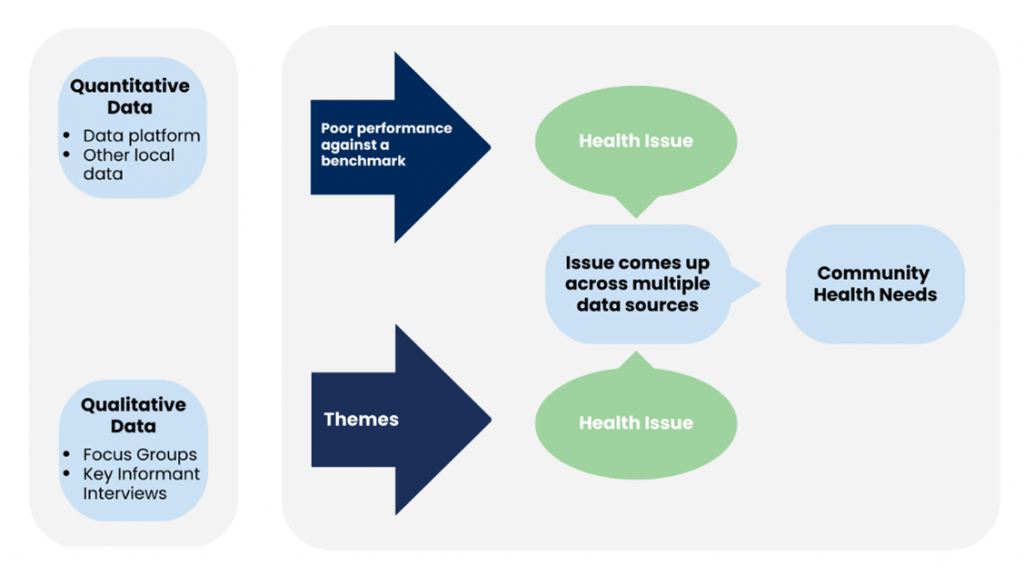
    Source: Kaiser Permanente National Community Benefit, August 2015

    While there are several areas where Fort Bend County could see improvement, residents, community leaders and stakeholders identified five top community health priorities.

    Mental Health

    Like physical health, mental health is critical to our overall well-being. Good mental health affects our thoughts and behaviors, helps us maintain fulfilling relationships, enables us to cope with change and adversity, and ultimately supports our contributions to society. Mental health is also closely connected with physical health. Poor mental health may lead to behaviors that harm physical health (e.g., alcohol and other substance use, lack of exercise, etc.), and having poor physical health can negatively affect our mental health. About one in four survey respondents stated that their mental health was not good for one to five days out of the past 30, and 46% said mental health has been a problem in their household.

    About one in seven survey respondents stated that there was a time in the past year that someone in their family needed mental health services but couldn’t receive them — either because they couldn’t afford to pay (34%) or the wait times were too long (27%). Overall, one-third indicated that mental health services are missing in the community. The data from surveys reflect mental health access challenges we see in Fort Bend, specifically. Within Houston’s three-county region, Fort Bend has the highest ratio of residents to mental health care providers, though there has been improvement since 2017.

    Housing

    Affordable, safe, and stable housing is a basic need, and unsafe or unstable housing threatens our health, well-being, and economic security. At the same time, the cost of housing is the single largest expense for most households, and it has become increasingly unaffordable in recent years. The U.S. Department of Housing and Urban Development considers affordable housing as not more than 30% of income. If a household spends 30% or more of their income on housing costs, they are “housing cost burdened.” Households that spend 50% or more of their income on housing costs are “severely cost-burdened.”

    Renters are much more likely to be burdened by housing costs than homeowners. In 2021, more than 45% of renters were cost-burdened compared to 25% of homeowners; and 22% of renters were severely cost-burdened compared to 11% of homeowners. While the share of homeowners who are cost burdened has fallen since 2010, renters are more likely to be cost burdened now than a decade ago. Additionally, a person would need to work 3.2 full-time jobs at minimum wage to afford a two-bedroom rental property at Fair Market Rent in Fort Bend County. Fort Bend County’s population has already increased 41% over the last decade and is expected to increase an additional 15% to nearly 1 million by 2030, according to the Texas Demographic Center’s recent projections. Given these data, it is not surprising that one-third of survey respondents indicated affordable housing is missing in Fort Bend and more than half of Key Informant interviewees cited the issue as their top concern.

    Obesity

    Obesity, defined as having a body mass index (BMI) of 30 or more, is a complex health condition affecting both adults and children. Obesity increases the risk for health conditions such as coronary heart disease, type 2 diabetes, cancer, hypertension, and more. Obesity is found to take more years of life than diabetes, tobacco use, hypertension, or high cholesterol.

    Nearly 30% of adults in Fort Bend County are classified as obese, according to County Health Rankings, and the disease was the top health issue identified among survey respondents. While not the only related triggers, poor eating habits and lack of exercise can contribute to obesity. About 40% of survey respondents are concerned with poor eating habits and 39% are concerned with a lack of exercise.

    Cardiovascular Diseases

    Heart disease was the fifth most-cited health issue by survey respondents and Key Informants with more than one in seven identifying the diseases as a health concern. White and Black residents of Fort Bend die from heart disease at significantly higher rates than Asian and Hispanic residents, according to the Centers for Disease Control and Prevention’s WONDER data tool.

    The National Center for Health Statistics shows that three out of 10 deaths in Fort Bend County are attributed to heart disease and stroke. However, we know that many patients with heart disease also suffer from other chronic conditions, including lower respiratory diseases, diabetes, and kidney diseases, which comprised an additional 6% of deaths in 2020.

    Maternal Health/Prenatal Care

    Babies who are born in good health and who continue to thrive with positive experiences, tend to grow into healthy and productive adults who sustain our population and contribute to our economic vitality. Of course, a newborn’s health depends not only on the mother’s health during gestation but also her state of health before pregnancy. Early prenatal care is defined as pregnancy-related care beginning in the first trimester (1-3 months) and has been viewed as a strategy to improve pregnancy outcomes for more than a century.

    In 2020, the rate of women who receive late (after the first trimester) or no prenatal care in Fort Bend County (30%) is three times that in Texas (10%) and five times the rate in the U.S. overall (6%). Between 2019 and 2020, Fort Bend saw an unprecedented 10-percentage-point decline in the proportion of women who received early prenatal care — a drop we didn’t see in neighboring counties despite the pandemic. Black and Latino women in Fort Bend had the lowest rates of early prenatal care, which is not surprising because a lack of health insurance is the largest contributor to women delaying or not accessing prenatal care, and women in those groups have the lowest rates of health insurance coverage.

    Community Mobilization for Change

    Through the CHA organizations, community members, and other stakeholders are able to evaluate the health of communities, factors that contribute to health challenges in Fort Bend County, existing community assets and resources to improve the community’s health can also be identified. The Community Health Improvement Plan (CHIP) contributes to the advancing of strategies to shorten the gap to accessing services, resources, and disparities faced with the top five community health priorities. The CHIP brings focus to the health issues identified in the CHA and allows communities, municipalities, jurisdictions, and community partners to actively collaborate and create a united plan to improve the health of Fort Bend County.

    Healthy communities do not happen on their own, but through the efforts of community mobilization, local government support and key stakeholder contributions. Key stakeholders include local elected officials, hospital partners, FQHCs, foundations, non-profits, religious organizations, school districts, HOAs and many others. The shared goal is always to increase the quality of health across Fort Bend County. 

    We invite you to join us in reducing the gap for accessing services and or providing resources for the community members to meet the needs identified from the top five health priorities. FBCHHS Office of Communications, Education and Engagement is available to present to your organization or business about the CHIP to bring further awareness on how your organization or business can aid the community members of Fort Bend County.

    Please email hhsoutreach@fbctx.gov to request a presentation.

    Please access the full Community Health Assessment and Community Health Improvement Plan at http://www.fbctx.gov/cha!
  • Key Insights from The Big Picture | Fort Bend County

    Key Insights from The Big Picture | Fort Bend County

    On October 6, 2022, Fort Bend County residents convened at Long Acres Ranch in Richmond, TX, to learn, engage, and explore ways to solve some of the county’s most significant challenges. At this event, Understanding Houston shared key data highlighting Fort Bend County’s strengths and challenges. Guests also heard from representatives from Fort Bend County Health & Human Services (FBCHHS) about significant findings from their recent Community Health Assessment. This event was unique as it was the first time Understanding Houston partnered with a county department for a presentation.

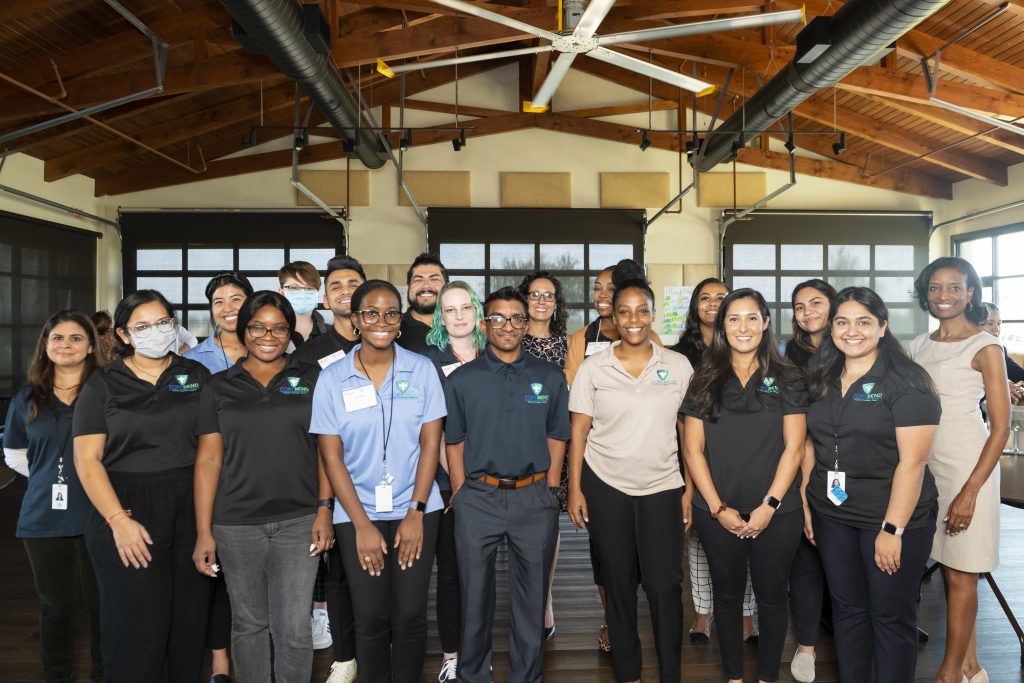
    Fort Bend County Health & Human Services Team

    Painting the Picture

    The program began with Steve Maislin, President and CEO of Greater Houston Community Foundation, who shared an overview of the Foundation’s work and how it was established in 1995 to inspire and create meaningful change with our donors and for our community. In addition to being the Houston region’s hub for all charitable solutions, the Foundation is well-positioned to help its donors identify and invest in a validated network of agency partners throughout the Greater Houston region.

    The next speaker was Dr. Jacquelyn Johnson-Minter, Director of FBCHHS. Dr. Minter shared how FBCHHS is the principal agency for protecting the health of Fort Bend County residents and providing essential human services. Dr. Minter emphasized the importance of the cross-collaboration needed for their ongoing response in addition to the emergency relief they provide during times of disaster. She conveyed that no one person or entity can solve the problems outlined in the forthcoming presentation alone, and this event was designed to help share the data needed to ignite cross-sector collaboration to address significant regional challenges.

    Guests also heard from Rocaille Roberts, Program Officer at The George Foundation, where she helps to oversee how The George Foundation partners with the community to impact Fort Bend County and its residents positively. She encouraged everyone in the room, in their professional and personal life, to be open-minded about what resources we can all leverage to make an impact, as we all need to collectively think outside the box. She also shared how data helps their foundation make strategic choices about what issue areas to prioritize.

    Sharing the Data

    Population Growth

    This leads us to the data shared by representatives from Understanding Houston. First, Nadia Valliani, Director of Community Philanthropy, began by grounding the conversation in the county’s population growth and change over time. Fort Bend County’s population has grown over 500% in the last 40 years.

    Fort Bend County’s population has grown over 500% in the last 40 years.

    Along with large population growth, there has also been a dramatic change in who makes up Fort Bend’s population. International migration is a large contributor to Fort Bend’s population growth, with one out of three residents being foreign-born in 2021, the highest rate in the three-county region, which includes Harris and Montgomery counties. Additionally, Fort Bend’s population has shifted from majority-white to an almost completely equal distribution of each major racial/ethnic group. Valliani shared how population growth is a significant strength as it helps to expand the economy and workforce. However, if not planned for properly, population growth can put stress on our infrastructure and environment. While the region’s diversity is a point of pride as it is an asset and opportunity to lead the country, diversity does not automatically mean inclusivity.

    Fort Bend’s population has shifted from majority-white to an almost completely equal distribution of each major racial/ethnic group

    The data shows that economic opportunity and prosperity are not shared among all residents in Fort Bend County. While the median household income in Fort Bend County, at $97,210, is higher than in Texas and the U.S., Fort Bend has larger income disparities by race/ethnicity. The income gap between white and Hispanic households in Fort Bend County was nearly $42,000 in 2019, according to data from the Federal Reserve. In Fort Bend County, income has grown by about 7% in the past decade compared to 15% for the nation and 21% for Texas. Fortunately, fewer people are living in poverty, but there are racial/ethnic disparities here as well. About one in 10 Black and one in 14 Hispanic residents in Fort Bend live in poverty compared to one in 20 white residents, according to data from the 2019 American Community Survey.

    Fort Bend County is one of the most diverse and wealthy counties in the nation, but wealth has not grown meaningfully for all. This has wide-ranging implications contributing to gaps in housing affordability and health outcomes.

    Residential Infrastructure and Health

    Next, we heard from Chelsea Cheung, Senior Data and Learning Analyst. Cheung shared how the rising cost of housing has disproportionately impacted renters. She revealed how homeownership can be critical to wealth creation and upward mobility, as that wealth can be passed on to future generations. A higher percentage of Fort Bend County residents are homeowners compared to the state and nation; and while homeownership disparities exist by race and ethnicity in Fort Bend County, the disparities are smaller when compared to Texas and the U.S. However, median home values rose 62% between 2010 and 2019 in Fort Bend County, nearly double the national increase of 34%. For the same time period, the median monthly costs for homeowners with a mortgage increased by 4% compared to a 21% increase for renters. In Fort Bend County, nearly one in five renters spend more than half of their income on housing alone. For Fort Bend renters with stagnant wages who face soaring rents, the cost of achieving the American dream has increasingly become practically unachievable.

    In Fort Bend County, nearly one in five renters spend more than half of their income on housing alone.

    Cheung then addressed how where we live affects our environment and, by extension, our health and the health services available. Unfortunately, Texas has had the highest percentage of residents without health insurance in the United States for the last decade. In 2019, about 41,000 residents between the ages of 19 and 64 in Fort Bend County were uninsured, with one-third of Hispanic adults younger than 65 in Fort Bend being uninsured. In 2020, half of all deaths in Fort Bend were caused by heart disease, cancer, and COVID-19. In addition, in 2019, over 25% of Fort Bend County residents 18 and older reported no leisure-time physical activity in the past month, and over 15% rated their health as poor or fair. With more than a quarter of adult residents in Fort Bend County living with obesity, it is time to look at increasing access to and uptake of healthier options for residents.

    Cheung then spoke about mental health and prenatal care. In Fort Bend County, the number of pregnant women who received early prenatal care declined 10 percentage points in just one year between 2020 and 2019, a decline not seen in Harris or Montgomery counties. In addition, Fort Bend County has the highest ratio of residents to mental health care providers in our three-county region and compared to the state and nation. This shortage of mental health providers is especially problematic because over one in 10 Fort Bend residents reported experiencing at least two weeks of poor mental health within a one-month period in 2019. 

    Identifying Community Priorities

    The final speaker was Carrie Rai, Performance and Innovation Specialist from FBCHHS, who shared an overview of their recent Community Health Assessment. This Community Health Assessment is the first in Fort Bend County in 15 years. In addition to using data from various sources like Understanding Houston and local hospitals, they also collected their own data by conducting 25 key informant interviews and distributing 845 surveys to community residents.  

    Through their research, FBCHHS collected data on health outcomes related to health care, health behavior, social and community factors, and the physical and built environment. While they learned that Fort Bend County performs well in several areas, there were a few areas that were flagged as community priorities, including mental health, obesity, heart disease, housing affordability, and prenatal care access.

    Mental Health 

    Rai shared that 37% of survey respondents had at least one day of poor mental health in the past month, and 46% indicated that mental health had been a problem within their households this past year. She also shared that suicide rates in Fort Bend County vary by race and ethnicity, with the highest rates of suicide being in the white population. These high rates of poor mental health are complicated by the shortage of mental health providers in Fort Bend County, as there is only one mental health provider for every 1,210 residents compared to a ratio of one mental health provider for every 760 Texans. Their data also showed that 14% of respondents needed mental health services but did not receive them. When asked why they did not receive mental health services, 34% said they could not afford to, and 27% said it took too long to receive services.  

    Obesity

    While Fort Bend County has lower obesity rates than other counties in the region, it is still a top health issue, as nearly 30% of Fort Bend County residents are obese. In addition, results from the Community Health Assessment indicated that 40% of survey respondents were concerned with poor eating habits while 39% were concerned with lack of exercise. Only 8% of survey respondents are consuming enough fruits and vegetables, and 60% are not getting enough exercise. 

    Heart Disease

    Heart disease is the leading cause of death in Fort Bend County. Breaking it down by race/ethnicity, according to CDC WONDER, the Black or African American and white populations in Fort Bend County had the highest rates of deaths related to heart disease in 2020. Heart Disease was the fifth most cited health issue by survey respondents and key informants.  

    Housing Affordability

    Housing in Fort Bend County is another area of focus due to affordability challenges. In 2022, County Health Rankings found that the Fair Market Rent (FMR) is $1,208 in Fort Bend County, whereas, across Texas, the average FMR is $1,172. In addition, 32% of survey respondents and 55% of key informants said that affordable housing is a resource/service that is missing in Fort Bend County. 

    Prenatal Care Access 

    The last priority issue Rai shared was about prenatal care, which has been viewed as a strategy to improve pregnancy outcomes for more than a century. Fort Bend County has higher rates of low birthweights than the national goals set by Healthy People 2020. In addition, in Fort Bend County, there has been a 10-percentage point drop in women who receive prenatal care from 2019 to 2020, and in that same time period, the percentage of pregnant women receiving no prenatal care in Fort Bend County increased more significantly compared to the state and the nation.  

    Paving a Path Forward 

    In closing, Rai shared how the data collected by FBCHHS reflects similar data to what was presented by Understanding Houston. She shared that as a health department, they share this information to get feedback on how the community should work together to address these priority issues.  

    Attendees then broke into smaller groups where members of the FBCHHS staff facilitated discussions. Each group picked one of the five priority topics to brainstorm solutions around. All discussions and data shared within each group were logged by an FBCHHS staff member. Information was also shared about ways different people or organizations can participate in addressing these priorities.  

    If you are interested in learning more about the data presented or attending an upcoming program, please contact understandinghouston@ghcf.org.  

  • Key insights from our Mental Health Data Dive + Workshop

    Key insights from our Mental Health Data Dive + Workshop

    Greater Houston Community Foundation hosted a program on July 20, 2022, to convene experts, researchers and practitioners around the increasingly severe mental health crisis affecting children and adolescents.

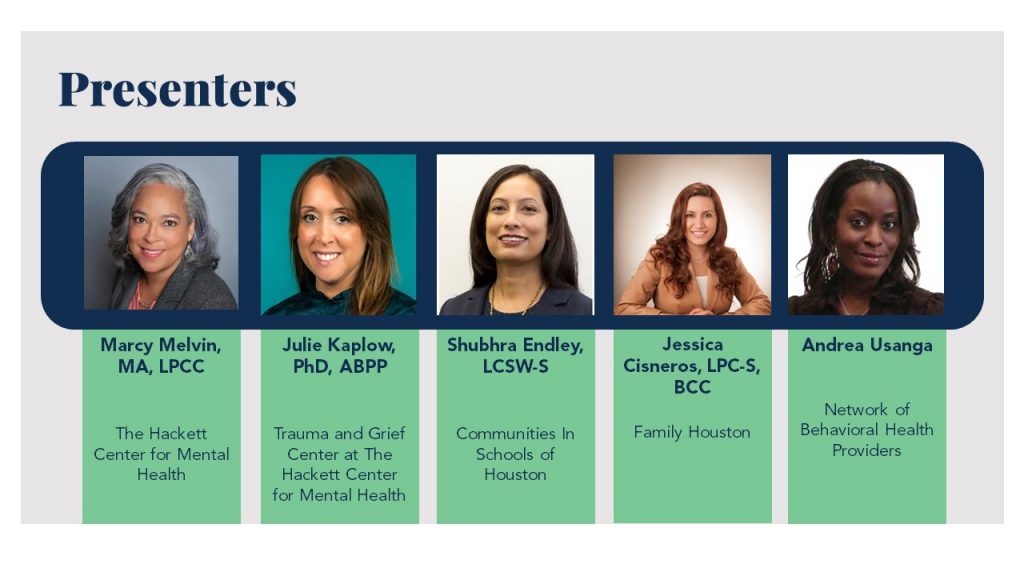
    The program began with a brief data presentation from Understanding Houston, to set the stage for the deeper dives from guest speakers that would follow. The convening featured presentations from the following experts:

    We explored data and different approaches, which included ways to improve child resilience; treat children who are coping with trauma and grief; identify and serve children in both school and community settings; and the various policy and legislative issues that influence the workforce, funding and efficacy in the mental health space. We have provided a few critical insights below, and we invite you to watch the event here.

    Concurrent and consecutive disasters and events have battered our mental health

    The past couple of years have been tough on most of us, but research and studies have shown that this time has been especially difficult for children. Not only due to having to navigate an entirely new way of living caused by a pandemic but also because of several successive, traumatic events in recent years. These events, combined with 24/7 news cycles and social media, can contribute to increased feelings of anxiety and unhappiness. However, the data indicates that things weren’t so great even before 2020.

    In roughly the last decade from 2009 to 2021, the share of American high-school students who say they feel “persistent feelings of sadness or hopelessness” rose from about a quarter to nearly half, which is the highest level of teenage sadness on record, according to the Centers for Disease Control and Prevention.

    But kids are not only struggling with feelings of anxiety and depression brought on by traumatic events. They are also grieving — more than 215,000 children nationally have lost a parent or caregiver who died as a result of COVID-19. Dr. Julie Kaplow, Executive Director of the Trauma and Grief Center at The Hackett Center for Mental Health, calls this the “silent epidemic of childhood trauma and grief.” She emphasizes “silent” because trauma and grief symptoms in children can be disguised which reduces the likelihood of receiving treatment.

    Community-based organizations that work to identify and treat mental and behavioral health challenges in children in school settings or otherwise, have been seeing this with their clients for a few years. As Shubhra Endley, Director of Mental Health and Wellness at Communities in Schools of Houston, noted, “We had barely wrapped up our mental health support we were doing in response to [Hurricane] Harvey, and we are now having to deal with housing instability, food instability — because of jobs that got cut during the pandemic — and it’s all impacting the well-being of our students.” Heads around the room nodded in agreement.

    Jessica Cisneros, Chief Clinical Officer at Family Houston, noted that it is one thing to identify students in need and offer help, and it is another issue entirely for a family/child to accept support. She notes the historically lower uptake rates among Latinos. Similarly, a survey from Episcopal Health Foundation and Kaiser Family Foundation found that Latinos were the least likely to receive mental health treatment after experiencing negative effects on mental health from Hurricane Harvey compared with Black and white residents.

    Aside from the typically lower insured rates among this demographic, cultural norms within the broader Hispanic community can stigmatize mental health treatment. But, that tendency could be reversing. Cisneros shared, “In the Latino community, we have seen a greater focus in reducing stigma by introducing psychotherapists on Spanish-speaking networks,” and she has seen positive results.

    There is a clear need for mental and behavioral treatment and therapy. But even if everyone who needs and wants help seeks it out, how available and accessible is treatment?

    A local mental and behavioral health provider workforce shortage is exacerbating treatment challenges

    Texas ranks last among states in mental health care access according to Mental Health America’s 2022 State of Mental Health report. And, residents in our three-county region have even less access to mental health treatment than the state average. Fort Bend County has the least amount of access to mental health treatment with only one mental health provider for roughly every 1,200 residents.

    These numbers cover mental health professionals for all ages, but if we look at the availability of child and adolescent clinical psychologists and psychiatrists, the numbers get worse. According to data from the American Psychological Association, out of the 100,000 U.S. clinical psychologists, only 4% are trained child and adolescent clinicians. Fort Bend, Harris and Montgomery counties all have a severe shortage of practicing child and adolescent psychiatrists.

    A Houston Chronicle analysis of staffing at 1,200 school districts in Texas found that many school districts do not meet the recommended ratios for these positions. 

    • 4 districts met the recommendation for social workers 
    • 24 districts for counselors 
    • 25 districts for psychologists 
    • 398 districts for nursing staff

    Andrea Usanga, Executive Director of Network of Behavioral Health Providers, works to increase the provider workforce through education and advocacy. She has been sounding the alarm for over a decade. 

    In 2009, Usanga testified before the Texas legislature on the mental and behavioral workforce shortage — at the time, about one-third of the counties in the state did not have the designation of partial or total Mental Health Care Health Professional Shortage Areas (HPSAs). Now, only one county of the 254 does not have a shortage. She urges action, “If we don’t start getting people in [the mental and behavioral health workforce] pipeline to be able to address these issues down the line, we are going to be in even bigger trouble.” Jessica Cisneros shared that Family Houston has also lost a significant number of staff during the pandemic’s peak which has made it harder to treat anyone who seeks help. 

    We need to do more to prevent challenges from snowballing and giving kids the tools they need to build resilience

    Usanga noted in her remarks, “At the exact time we are seeing increases…our available professional supply is going down.” So, how will everyone get the help they need? As Marcy Melvin, Deputy Director of The Hackett Center for Mental Health, implored at the beginning of her talk, we need to “… reimagine how we think about, talk about and define mental health treatment.” 

    Preventing mental health disorders and building resilience in children to cope with life challenges should be a priority now, Melvin declares. “We are never going to get to the point where we have enough practitioners to meet all of the needs of youth…We can’t stop bad things from happening, but what we can do is build the capacity so that when trauma, hard things happen, we have children and youth who have the capacity to be able to manage and get through those situations.”

    Melvin encourages all of us to engage in conversation, lean into community and equip children and youth with the tools they will need to successfully navigate future challenges. The Hackett Center promotes early childhood education as instrumental in that effort. Since a child’s brain is still forming and developing rapidly at that stage, integrating these tools early will build solid brain formation to help children manage stressors effectively. This preventative and resilient approach, particularly when implemented in early years, potentially avoids worsened feelings of hopelessness that can feel insurmountable when we don’t know how to cope.

  • Out and Proud for Science

    Out and Proud for Science

    The first PRIDE was a riot. No glitter, parades or corporations eager to release their brand-new shiny rainbow collections. The Stonewall uprising was ignited by constant police harassment and discrimination toward LGBTQ folx at the time. June 1969 was a turning point to state that we are here, we are queer, and we are not going to stop fighting for our rights. 

    In the wise words of Marsha P. Johnson, “No pride for some of us, without liberation for all of us.” Ms. Johnson, a Black transgender woman, and Sylvia Rivera, a Latina trans woman, were among the activists that paved the way back in the late ’70s. Far from seeking recognition from a community that still struggles to embrace and protect trans folx, they used their voice to fight for equity and opened the first shelter to host LGBT youth.

    Trans icons Marsha P. Johnson and Sylvia Rivera at the Christopher Street Liberation Day March, 1973.Photo by Leonard Fink, Courtesy LGBT Community Center National History Archive

    Sadly, protecting trans youth is still a pressing issue more than 50 years after Stonewall. Learning LGBTQ history not only helped me understand our current struggles, but also continues inspiring me on a daily basis. I’m proud to honor Marsha and Sylvia’s legacy with my work as an openly queer Brown immigrant scientist.

    Fighting for equity and liberation has always been one of my passions. Pride and visibility is not something you are born with. For some people, like me, the path to self-love and acceptance can be filled with fear and shame. I was born and raised in Buenos Aires, Argentina and attended medical school with a clear goal in mind – to make an impact on a community level by combining medicine and education, fostering love for science and public health and, hopefully, paving the way for other queer professionals to be themselves. 

    After I finished medical school, I was offered the chance to move to Houston to work on HIV research at UTHealth. In the blink of an eye, I had packed my life into two bags and arrived in Texas. Before my trip, I didn’t know what to expect from Houston other than cowboy hats, cacti and NASA. I was pleasantly surprised to find a diverse city that feels like a small town and a queer community that has embraced me as chosen family. The more involved I got in HIV prevention and treatment, the more I understood there was a lot of work to be done in the South and particularly in my newly adopted city.

    Understanding HIV prevalence in Houston

    June 5, 2021 marks 40 years since the first five cases describing what later became known as Acquired Immune Deficiency Syndrome (AIDS) and what is now THIV Stage III in the Centers for Disease Control and Prevention’s (CDC) Morbidity and Mortality Weekly Report (MMWR). As of June 2021, 32 million people have died from HIV worldwide – 700,000 in the United States – since the start of the global epidemic, and 38 million people are currently living with HIV. While we have come a long way and made amazing progress since those first diagnoses, challenges still remain in Greater Houston and beyond. 

    According to the CDC, of the 37,968 new HIV diagnoses in the United States in 2018, half are in the South. Additionally, eight of the 10 states with the highest rates of new HIV diagnoses are in the South as are nine of the 10 metropolitan areas with the highest rates. Poverty, unemployment and lack of access to medical care are factors that drive the epidemic. Nine out of the 16 states in the South have not expanded Medicaid. Stigma and cultural factors continue playing a key role when it comes to status disclosure, support and access to HIV services. Unfortunately, Houston is no exception to the burden southern urban cities carry. In 2018, there were 27,057 people living with HIV in Houston, and 1,243 Houstonians were newly diagnosed with HIV. Over the past decade, this number has remained steady.

    Between 2010 and 2016, a steady increase in HIV prevalence was observed throughout Greater Houston’s three largest counties, with the three-county area registering HIV diagnoses at 1.5 times the national rate. HIV prevalence is highest in Harris County, with rates 2-3 times higher than those in Fort Bend and Montgomery counties. 

    It is important to point out the disproportionate HIV incidence rate among Black and Latinx populations. More recent 2018 data show that the rate of Black males in Houston living with an HIV diagnosis is 4.6 times that of white males. The rate of Black females living with an HIV diagnosis is 18.4 times that of white females. 

    We need to do far better to bring awareness, education and empowerment to our most affected communities. Bringing community voices to the table is crucial to work together towards the end of the epidemic.

    Hope in the form of a daily pill

    Though HIV remains prevalent, new effective safe treatments have reduced pill burden to just one small pill a day, and an injectable antiretroviral combination was approved last year. HIV is not a death sentence. 

    Moreover, when it comes to HIV prevention, Pre-Exposure Prophylaxis (PrEP) was a game changer to stop HIV transmission. Studies have shown that when taken once daily as directed, PrEP can reduce the risk of HIV transmission from sex by 99%. PrEP is readily available at no cost for people with and without insurance. Raising awareness and uptake among Houston’s at-risk populations is pivotal to end the HIV epidemic.

    As PrEP efficacy decreases if not taken daily, novel interventions are on the pipeline to tackle the issue of medication adherence. I had the honor to implement a groundbreaking study in Houston which compared the efficacy of a long-acting injectable agent given every other month to the current daily oral medication for PrEP. The study enrolled 4,570 cisgender men who have sex with men (MSM) and transgender women (TGW) who have sex with men at 43 sites in Argentina, Brazil, Peru, United States, South Africa, Thailand and Vietnam. 

    The results of the trial were very promising — the regimen containing long-acting cabotegravir was found to be statistically superior to daily oral medication for PrEP. This medication will hopefully be approved soon and will help those people who find it challenging to take a pill every day. New medications in the works also include subcutaneous injections given every six months, a monthly pill, a transdermal implant and vaginal rings.

    Source: National Institute of Allergy and Infectious Diseases

    It is also important to mention Treatment as Prevention (TasP). One of the most important breakthroughs in the HIV field were the results of various studies that determined that someone who is living with HIV while on medication for more than six months and virally suppressed cannot pass on the virus to others through sex. This concept is known as U=U (Undetectable=Untransmittable). Not only is this a huge step towards establishing a link between HIV treatment and HIV prevention, but also a strong public health message that aims to fight the stigma surrounding HIV.

    Proud to work toward a better future

    Today, HIV is a manageable chronic disease. People living with HIV can live long, healthy lives thanks to improved antiretroviral treatment. Our HIV prevention toolkit is constantly expanding, fueled by research and community working together. Effective tools like PrEP can prevent HIV transmission when taken as directed. HIV treatment is prevention because U=U (Undetectable=Untransmittable). New, exciting breakthrough prevention and treatment medicines and strategies are in the pipeline. An HIV vaccine no longer sounds fictitious. We are living in an exciting time as we can be the generation that will end the HIV epidemic.

    Although much has been accomplished since the first brick flew at Stonewall, we will not be truly victorious until we properly address the underlying systemic health disparities that leave some people behind. We need to do our work to tackle the roots of racism, poverty, stigma, homophobia, transphobia, homelessness and health inequity. We need to continue involving our communities as there is nothing for them without them. We need to do better, be better. At the end of day, repeat Marsha’s words as a mantra, “No pride for some of us, without liberation for all of us.”

  • How community gardens support the fight against food insecurity in Greater Houston

    How community gardens support the fight against food insecurity in Greater Houston

    Houston ranks among the top 50 cities with the highest obesity rates in the U.S., with 34% of Houston children now struggling with obesity. At the same time, Feeding America reports that Harris County has the second-highest number of food insecure individuals across all US counties, with 869,000 individuals not knowing when or where their next meal is coming from.

    The single largest predictor of an individual’s health is the community in which they live. People who live in low-income areas with low access to fresh food struggle to secure nutritious options and are more likely to suffer from disproportionately high rates of obesity and diet-related diseases. Today, children in low-income communities are more likely to confront an obesity epidemic — one that afflicts 13.9% of low-income children in the nation, and many lack access to safe, outdoor spaces to congregate and play

    How COVID-19 exacerbates food insecurity in Houston

    COVID-19 has exacerbated existing food insecurity, disproportionately affecting low- and moderate-income households, while also introducing food insecurity to individuals who had never before experienced barriers to food access.

    Food insecurity in the region peaked in November 2020 with nearly 30% of Houston-area households with children reported experiencing food insecurity. Though that rate has fallen to 22% as of March 1, 2021, some communities still feel the burden at disproportionately high rates. One-third of Black households with children and 25% of Hispanic households with children report continued food insecurity, compared to 11% of white households with children. Changing health landscapes and heightened food insecurity have demonstrated a surging need for inclusive, community-driven food interventions.

    Understanding the challenges facing community gardens in Houston

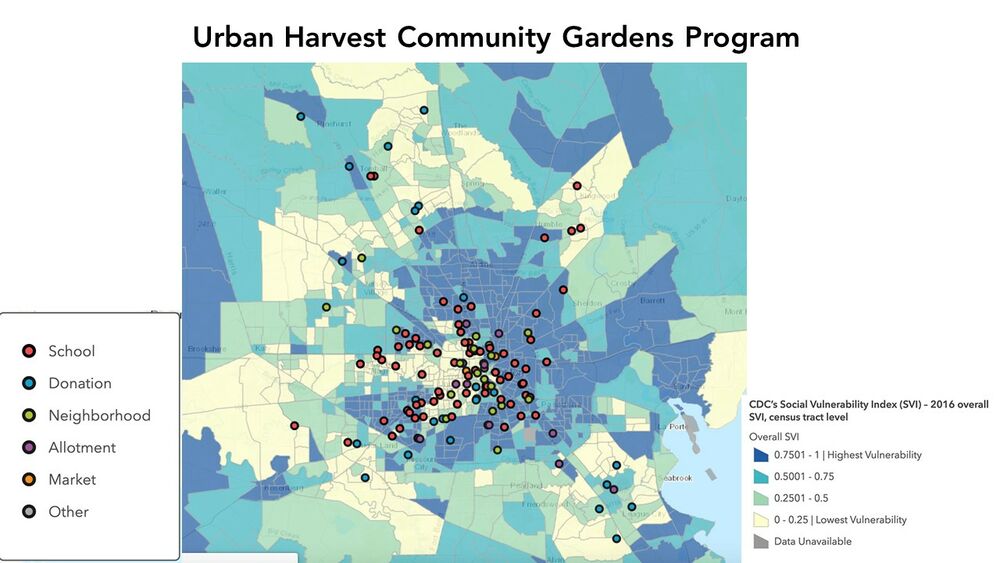
    Urban Harvest leads holistic interventions that combine neighborhood revitalization, community development, healthy food production, preservation of greenspace, and ecological stewardship that contributes to biodiversity. Community gardens provide affordable and accessible healthy foods in low-income neighborhoods with limited access to fresh foods.

    Since 2018, Urban Harvest has transitioned from building gardens to sustaining gardens in response to the needs of the gardens we serve. We set out to identify how we can better support community gardens to be more sustainable. Working with the 140 affiliate gardens in our network, we discovered five key elements that well-established, successful gardens share: they meet monthly as a group; they develop a clear leadership team that makes decisions for the garden; they inform gardeners of what goes on day to day; they build a large base of active gardens; and, they offer consistent events and programming.

    However, our deep-dive also revealed disparities within our affiliate garden network. We learned that gardens in under-resourced (socially vulnerable and/or low-income, low-access) communities experience heightened challenges to becoming sustainable. Importantly, gardens in under-resourced communities make-up a significant part of the network: 54%, or 73 distinct sites.

    These disparities have been heightened by COVID-19 and the recent winter storm. Key findings from our recent COVID-19 needs assessment revealed that due to the pandemic, under-resourced gardens have too few gardeners, and rate their volunteer needs a 5.8 on a scale of 1 (lowest need) to 6 (highest need). Even higher-resourced gardens rated their volunteer needs 4.5. Other top needs among under-resourced gardeners include compost, fertilizer and mulch. And, finally, almost 30% of surveyed gardens reported that their gardens have become less well-established.

    Community gardens help under-resourced Houston-area neighborhoods

    Community gardens are assets for any neighborhood, but represent unique opportunities in otherwise under-resourced communities in particular. Successful gardens can build community power through placemaking of safe, outdoor spaces; creating opportunities to connect with neighbors and community members from different backgrounds; preserving greenspace; and offering affordable, healthy food. In 2020 alone, our community gardens resulted in 225,000 pounds of produce (resulting in about 190,000 meals), of which 136,000 pounds were donated, and our gardens served more than 260 customers through Mobile Markets. But, as we have seen, community gardens depend on the community to survive and thrive, particularly in times of disaster. The results combat food insecurity, offer opportunities for physical activity, and promote resident health.

  • Houstonians’ Experiences with Hurricane Harvey and the COVID-19 Pandemic

    Houstonians’ Experiences with Hurricane Harvey and the COVID-19 Pandemic

    Analyzing major challenges facing vulnerable populations

    For many residents in the greater Houston area, two recent disasters have had lasting impact on their lives — Hurricane Harvey and the COVID-19 pandemic. The former dumped up to 60 inches of unrelenting rain that devastated neighborhood after neighborhood. COVID-19, of course, has hit the entire world and filled hospitals and unemployment rolls, including in our region.

    Although a hurricane and a pandemic are very different crises, the lives they upend are often the same. The many negative economic, environmental and public health impacts of disasters exacerbate pre-existing vulnerabilities in these areas. In other words, those who are vulnerable before a catastrophic event are much more impacted during the disaster event and will likely continue to suffer long after it is over.

    To provide policymakers, funders and stakeholders with reliable information about the impact of these disasters on Texans and inform their relief and recovery efforts, the Episcopal Health Foundation, in partnership with several research and funding collaborators, conducted public opinion surveys of Texans in 24 affected counties (for Hurricane Harvey) and the state (for the pandemic).1 Both surveys explored the disaster’s effects on income/employment, healthcare and mental health among various populations. Consistent with established research, findings from both surveys reveal that lower-income, non-white and undocumented communities are disproportionately impacted by these disasters.2

    How Hurricane Harvey and COVID-19 impact income and employment 

    Beyond the collateral damage disasters leave in their wake, the myriad disruptions to infrastructure, economic/market activity, access to resources and more can cause substantial job loss — either temporarily or more long-term. In the months following Hurricane Harvey and COVID-19, many residents throughout Harris County and the state lost income and/or employment. (Loss includes someone in their household lost a job, lost their business, had hours/wages cut back at work, or experienced some other loss of income, including furloughed, as a result of disaster.)

    Nearly half of Texas Gulf Coast residents affected by Hurricane Harvey reported income and/or employment losses three months after the event. Meanwhile, nearly four in 10 Texans reported similar effects six months after the COVID-19 pandemic began. Effects in Harris County appear more pronounced as a higher percentage of respondents reported income and/or employment losses over these two time periods. 

    While a direct comparison between surveys of income/job loss by household income is difficult due to the questions’ wording, the Hurricane Harvey report found that respondents with lower incomes were much more likely to experience income/employment loss than those with higher incomes. Across the 24 affected counties, 59% of respondents with incomes at or below the federal poverty level (FPL) reported income or job loss compared to 50% of those between 100%-200% FPL, 48% of those 200%-400% FPL, and 29% of those more than four times the FPL. Data from the Census Bureau finds that low-income adults are among those hit hardest financially by COVID-19.

    Both surveys also reveal consistent disparities across race/ethnicity. Following existing trends in poverty and income inequality, Hispanics consistently bore the largest economic impact during these disasters, followed by Black Texans. In Harris County, a staggering 82% of Hispanic respondents reported income and employment loss three months after Hurricane Harvey and 43% reported similar losses six months after the pandemic began. 

    In both the Hurricane Harvey and COVID-19 reports, we paid special attention to the experiences of those who are potentially undocumented immigrants. For our purposes, Texans who were not born in the U.S., did not have permanent resident status when they moved to the U.S., or who have not had their status changed since, were considered potentially undocumented immigrants. This population has lower job security and typically does not qualify for or access many governmental benefits which increases their vulnerability to economic shocks from a disaster.

    About nine in 10 potentially undocumented residents affected by Hurricane Harvey in the region had experienced job/income loss three months after the storm. About half of potentially undocumented residents reported job/income loss six months after the pandemic began. In the Hurricane Harvey report, six in 10 potentially undocumented immigrants worried that they will draw attention to their or their family’s immigration status if they seek assistance. 

    How Hurricane Harvey and COVID-19 impact health care in Texas

    Lost income and strained resources often force people to make difficult decisions regarding their expenses, which can cause people to delay or forego health care in the period following a crisis — especially if they have lost health insurance. Not surprising given the income/employment losses, many Houston and Texas residents chose to skip or delay health care in the months that followed both Hurricane Harvey and COVID-19.

    Texans skipped or delayed health care at a higher rate during COVID-19 than in the first three months after Hurricane Harvey. These differences are consistent across both the state/region and Harris County, and may be explained by personal health and safety concerns associated with visiting doctor offices during a pandemic. 

    The COVID-19 report finds that 44% of Texans with incomes above $75,000 a year skipped or delayed health care compared to 31% of respondents with incomes below $75,000. This  is  likely  because higher-income households tend to have higher rates of health insurance  coverage, allowing for greater access to health care that preceded the pandemic.

    The mental health impacts of Hurricane Harvey and COVID-19

    Disasters in any form take a toll on our individual and collective health. The fear and worry of potential or actual financial and personal loss from a disaster can have serious emotional impacts — including PTSD, anxiety, depression and others. The impacts on our mental health can be as severe and long-lasting as the more visible physical and economic damage, and in some cases more so. 

    The pandemic appears to have had worse effects on mental health than Hurricane Harvey. Close to half of Texans and Harris County residents said the worry or stress related to COVID-19 has had a negative impact on their mental health. Three months after Hurricane Harvey, 13% of Texans and 12% of Harris County residents reported that their mental health worsened as a result of the storm. This difference is likely due to the time-limited nature of Hurricane Harvey and that some neighborhoods were more affected than others.

    Key takeaways and what comes next

    Aside from the obvious differences between these two major crises, the findings from both surveys reinforce the fact that lower-income, non-white and undocumented populations are more likely to experience financial hardships and have a harder time coping with both disasters than their peers.

    These findings signal that public- and private-sector leaders need to do more to address economic, health and mental health needs related to the pandemic, particularly for our region’s most vulnerable residents. We must pay attention to the needs of a group that is critical to our region’s local economy, workforce, and social fabric — undocumented immigrants. As both surveys show, they are suffering even more than their peers during COVID-19. Policymakers and philanthropy should devise long-term assistance, relief and rebuilding strategies to assist these vulnerable populations.

    1. See An Early Assessment of Hurricane Harvey’s Impact on Vulnerable Texans in the Gulf Coast Region, Texans’ Views on the COVID Pandemic and Texans’ Views on the COVID-19 Pandemic in Harris County.

    2. In discussing some common threads of these reports, we should note that Hurricane Harvey is a one-time natural disaster event that impacted 41 counties in Southeast Texas while the COVID-19 pandemic is both a global and national public health emergency that continues to impact the entire state. Nonetheless, it is useful to compare the data relating to how these events have impacted the vulnerable populations in Texas and Harris County. 

  • Children’s Mental Health in the Context of the COVID-19 Pandemic

    Children’s Mental Health in the Context of the COVID-19 Pandemic

    Understanding and supporting our most vulnerable youth

    The impact of COVID-19 on the Greater Houston community has been, and continues to be, unpredictable. However, there is one thing we know with certainty — the pandemic is affecting children’s mental health. Adults and children alike feel the psychological impact of the pandemic, which often includes anxiety about the possibility of becoming infected and/or infecting others, the significant economic toll on families who have lost jobs, and decisions regarding whether and how to send children back to school. Social distancing can also make us feel more socially isolated, depressed, and lonely. In fact, we know that social support is a major protective factor when facing adversity — one that is now missing for many children and families.1

    It is also important to recognize that most of these reactions are completely normative in the context of the pandemic. And in fact, small amounts of anxiety can actually be adaptive and protective. To some degree, this is what helps us to feel compelled to wash our hands and practice social distancing. Too much anxiety, on the other hand, can cause significant distress and lead to further psychological issues. 

    COVID-19’s psychological effects on children

    Children may be at particularly high risk for longer term anxiety and depression as a result of the pandemic. They are often highly attuned to their parents’ own reactions; however, they may lack the cognitive ability, insight, or support to effectively express and process their feelings. In addition, the return to school, either virtually or in person, can have its own set of psychological consequences. For example, we have heard children who recently returned to in-person learning worry, “What if I get sick? What if I end up getting mom or dad sick, how will they take care of me?” We have also heard children participating in remote learning say, “Sometimes I feel invisible. I’m not sure if anyone remembers that I’m even there.” 

    Increased anxiety and depression 

    Although there have been few rigorous research studies examining the impact of the pandemic on children’s mental health, we know from a recent review of studies from other countries that children and adolescents appear to be experiencing high rates of anxiety and depression.2 

    How children manifest these symptoms can vary widely depending on the child’s age and developmental stage. For example, preschool-aged children may appear to be “clingy” with caregivers and become distressed at even brief separations. They may also show developmental regressions (e.g., eating, speech/language delays, toileting), increased oppositional behavior, and increased tearfulness. School-aged children may develop new fears or worries, such as fear of the dark, being alone or loud noises. They may also have difficulties sleeping, nightmares, increased irritability, and somatic complaints (headaches, stomach aches). Adolescents may exhibit similar problems, and are also likely to demonstrate lethargy or apathy, social withdrawal (isolating themselves in their room), increased moodiness or hopelessness about the future.

    Worsened outcomes for children with pre-existing risks 

    The psychological impact of the pandemic on children is closely intertwined with other preexisting risks and protective factors. For example, children may be more at risk for psychological and behavioral problems, including school-related outcomes, if they had preexisting mental health issues and/or had experienced prior traumas or losses. One of our studies conducted prior to the pandemic showed that bereavement was the strongest predictor of poor school outcomes (e.g., poor school grades, increased school drop-out, lack of school connectedness) among adolescents above and beyond any other form of trauma, including physical abuse, sexual abuse and/or witnessing domestic violence.3 This is particularly relevant for children in our underserved Black and Latino communities where we are seeing higher rates of pandemic-related deaths.4 

    For children with histories of trauma or loss, certain aspects of the pandemic can serve as trauma reminders (people, places or situations that remind the child of a prior traumatic event), leading to symptoms of post-traumatic stress. For example, seeing or hearing about individuals dying from COVID-19 can bring back disturbing thoughts or images of how other loved ones may have suffered or died. A twelve-year old girl who experienced the death of her mother to cancer began to complain of heart palpitations and nausea every time she saw a news story that involved COVID-19 patients in the hospital. “It makes me feel like her death is happening all over again. Just seeing the hospital gowns and doctors rushing into the room — I start to feel sick to my stomach.”

    Children’s grief in the context of the pandemic

    Over 215,000 Americans have died as a result of COVID-19 at the time of publication. A recent study estimated that nine family members are affected by one person who dies of the coronavirus.5 This means that nearly two million individuals (including children) are grieving. Unfortunately, these numbers are growing, even within our own Greater Houston community, and even more rapidly among our Black and Latino families. The context in which the deaths are occurring (e.g., social distancing that prevents in-person, ongoing support and collective mourning) makes the grief-related impact even more pronounced, particularly for children and adolescents.

    After a death, concerned parents and caregivers often ask, what should I expect from my child? What is considered a “normal” grief reaction? This is a difficult question to answer given that grief is influenced by a host of factors including the child’s age/developmental stage, prior traumas/losses, culture, religious/spiritual beliefs, family environment, and circumstances of the death, just to name a few. Our work with bereaved youth has shown us that children tend to grapple with three primary bereavement-related challenges: separation distress, existential/identity distress, and circumstance-related distress.6,7

    Separation distress can take the form of really missing the person who died and yearning and longing to have them back. Existential or identity distress includes feeling lost without the person or unsure of how life will go on without the person’s physical presence. Circumstance-related distress involves excessive worries or concerns about the way the person died, such as guilt or shame or anger about what caused the person to die. 

    At the same time, it is helpful to recognize that there is such thing as “good grief”, in that children and adolescents can and do find healthy ways of coping with each of these bereavement-related challenges.6 For example, when facing separation distress, children often engage in behaviors or activities that help them to feel connected to the person who died either by doing the same things that they used to enjoy doing with the person, memorializing them or identifying personality traits or interests that they had in common. 

    When facing existential/identity distress, youth can often find ways to carry on the legacy of the person who died or ensure that they’re living the kind of life that the person would have wanted for them. 

    And when facing circumstance-related distress, children naturally gravitate toward finding ways to transform the circumstances of the death into something meaningful so that people can avoid suffering in the same way.8 For example, a ten year-old boy who lost his mother to breast cancer said, “I try to raise money every year for the breast cancer walk so that other kids don’t have to go through what I went through.” Or a fourteen year-old girl who lost her sibling in a car accident said, “I want to become an ER doctor so that I can save kids’ lives. I don’t want other kids to die like my brother did.”

    What can we do to help children during COVID-19?

    Although the pandemic may feel out of control, there are things that we, as adults and caregivers, can do to help children who may be struggling with strong emotions.

    Addressing anxiety

    Help children to recognize what they CAN and DO control.
    While we may not be able to control what’s happening in our environment, we can control our own proactive efforts to stop the spread of the virus through physical distancing, wearing a mask and hand washing. Help children to feel empowered by “choosing” the ways in which they are helping themselves and their family to stay safe. We can also help to monitor and control children’s exposure to graphic news stories about the pandemic.

    • Encourage emotional awareness.
      Children have an easier time coping with their own emotions when they are encouraged to observe and identify them, as opposed to trying to push them away or hide them. This often requires the help and support of a caring adult to label feelings and normalize their reactions. For example, a parent might say, “It looks like you might be feeling nervous about going back to school. That’s totally normal and understandable, and sometimes it can help to talk about it. What can you tell me about how you’re feeling right now?”
    • Teach breathing exercises
      Breathing exercises can help to reduce the physiological aspects of anxiety by helping to reduce heart rate and blood pressure. Children and adolescents can easily implement these exercises when they’re feeling stressed. This is very effective for adults as well.
      • Breathe in through the nose for a count of 4 seconds.
      • Hold the breath for a count of 7 seconds.
      • Exhale through the mouth for the count of 8 seconds.
      • Repeat the cycle 4-8 times as needed.
    • Embrace enjoyable activities
      Sometimes a little distraction can go a long way to reduce anxiety or stress. Caregivers can help children by identifying activities that they might enjoy, whether it’s going for a walk, watching a favorite tv show, or calling a friend or family member.

    Addressing sadness or depressive symptoms

    • Shift focus to a better future: Help children recognize that the pandemic is temporary (even though it may seem like it’s going to last forever) and it will eventually come to an end.
    • Emphasize gratitude: Introduce the idea of practicing gratitude by helping children write in a journal or on paper three things that they’re grateful for each day. This can also become an end-of-day activity that the whole family participates in together.
    • Find a support network: For adolescents who may be less comfortable confiding in their parents, help them to identify at least one person who they can check in with each day – someone who can be a listening ear and offer comfort or support.

    Addressing Grief

    Caregivers often shy away from discussing the death of a loved one with children, as they tend to worry that they’re somehow “planting a seed” or raising concerns where there aren’t any. On the contrary, what we’ve learned is that children feel understood and validated when caregivers openly discuss the person’s death.9 It is helpful to use simple, developmentally appropriate language and let the child guide the conversation whenever possible. For example, a parent might say “I know Grandma’s death can feel confusing or upsetting, especially since we couldn’t be there to say goodbye to her. What kinds of questions or worries do you have? I would really like to hear how you’re feeling.”

    To address separation distress (yearning or longing for the person who died):

    • Help children find ways to feel connected to the person who died, which can include looking at photos or videos of the person together, memorializing the person by lighting a candle or planting flowers in their honor, or engaging in activities that the person really enjoyed.
    • If children were not able to say goodbye prior to the person’s death, it can help to write a letter to the person that includes everything they would have wanted to say to them.
    • If at all possible, give children an opportunity to hold onto something tangible that reminds them of the person, like a necklace or a photo.
    • Talk about the person who died – say their name often, talk about positive memories, encourage the child to share stories about the person.

    To address existential or identity distress, (when we feel like our lives are permanently altered or we don’t know who we are anymore):

    • Help children identify all of the positive traits or characteristics they have in common with the person who died and discuss how they can carry on the legacy of the person by focusing on those traits and behaviors.
    • Help children think about what the person would have wanted for them. How can they live their life in a way that honors the person’s memory?

    To address circumstance-related distress, (being very preoccupied with unhelpful thoughts about the circumstances of the death):

    • If the death is due to COVID-19, help children identify the ways in which we are coming together as a society to try to tackle this problem and things they are already doing to prevent the spread of the virus.
    • Often the circumstance-related distress stems from unanswered questions or concerns that children have about the way the person died (e.g., Did they suffer? Were they sad or scared?). . It can be helpful for children to ask the questions they have, or if it’s too difficult to express them out loud, they can write questions on a sheet of paper. Use simple and straightforward language to answer the questions without going into excessive detail. For more complicated questions, it can be helpful to have children speak to a physician who can provide information in developmentally appropriate terms that they will understand.

    Know When to Seek Additional Help 

    • Although most children will be resilient and even grow and learn from this pandemic, we also know that a number of youth will require more than just parental support. Below are what we would consider “red flags” that may indicate that a child requires a more thorough evaluation and possibly therapy:
    • Functional impairment: For younger children this can look like behavioral regressions or significant changes in behavior like extreme aggression or extreme fear to the point where a child refuses to leave a caregiver’s side. For older children, this can involve trouble getting out of bed in the morning, constant tearfulness or extreme withdrawal.
    • Dangerous behaviors: Excessive risk-taking behaviors, alcohol use, or drug use in adolescents should also be considered concerning.
    • Obsessive behaviors: Hand washing is encouraged, but if children reach a point where they become visibly distressed when they are not washing their hands or if it feels excessive, this is something to explore further.
    • Self-harm or suicidal tendencies: Any expression of a wish to die or hurt themselves likely requires an evaluation with a therapist.

    There are now plenty of telehealth options across the U.S. where children can be seen virtually by a therapist. You can either call your pediatrician or a mental health provider in your area to see what might be available, and there is good evidence to suggest that teletherapy is just as effective in reducing distress as in-person therapy.10

    In addition, Texas Health and Human Services has launched a 24/7 statewide mental health support line operated by the Harris Center. Individuals who are experiencing distress due to COVID-19 can call 833-986-1919 at any hour of the day to speak with a mental health professional.

    Although the pandemic has, in many ways, created more social isolation, it has also helped to raise awareness about the importance of mental health and well-being for our youth. Collectively, we have the ability to help children identify and address difficult emotions and come through the pandemic with even more skills to cope with whatever life throws their way.

    Julie Kaplow, Ph.D., ABPP, is executive director of The Trauma and Grief Center (TAG) Center at The Hackett Center for Mental Health. The TAG Center raises the standard of care and increases access to best practice care among youth who have experienced trauma and bereavement.

    References:

    1. Hostinar, C. E., Sullivan, R. M., & Gunnar, M. R. (2014). Psychobiological mechanisms underlying the social buffering of the HPA axis: A review of animal models and human studies across development. Psychological Bulletin, 140(1), 256-82. doi: 10.1037/a0032671.
    2. Wagner, K. D. (October, 2020). New findings about children’s mental health during COVID-19. Psychiatric Times.
    3.  Oosterhoff, B., Kaplow, J. B., & Layne, C. (2018). Links between bereavement due to sudden death and academic functioning: Results from a nationally representative sample of adolescents. School Psychology Quarterly, 33(3), 372–380.
    4. Centers for Disease Control and Prevention (2020). COVID-19 hospitalization and death by race/ethnicity. Report can be found here: https://www.cdc.gov/coronavirus/2019-ncov/covid-data/investigations-discovery/hospitalization-death-by-race-ethnicity.html
    5. Verdery, A.M., Smith-Greenaway, E., Margolis, R., & Daw, J. (2020). Tracking the reach of COVID-19 loss with a bereavement multiplier applied to the United States. Proceedings of the National Academy of Sciences, 117 (30), 17695-17701.
    6. Kaplow, J.B., Layne, C.M., Saltzman, W.R., Cozza, S.J., & Pynoos, R.S. (2013). Using Multidimensional Grief Theory to explore effects of deployment, reintegration, and death on military youth and families. Clinical Child and Family Psychology Review, 16, 322-340.
    7. Layne, C.M., Kaplow, J.B., Oosterhoff, B., Hill, R., & Pynoos, R. (2017). The interplay of trauma and bereavement in adolescence: Integrating pioneering work and recent advancements. Adolescent Psychiatry, 7(4), 266-285.
    8. Kaplow, J.B., Layne, C.M., & Pynoos, R.S. (2019). Treatment of Persistent Complex Bereavement Disorder in children and adolescents. In M. Prinstein, E. Youngstrom, E. Mash, & R. Barkley (Eds), Treatment of disorders in childhood and adolescence (4th ed., pp. 560-590) New York, NY: Guilford Publications, Inc.
    9. Shapiro, D., Howell, K., & Kaplow, J. (2014). Associations among mother-child communication quality, childhood maladaptive grief, and depressive symptoms. Death Studies, 38(3), 172-178.
    10. Boydell, K.M., Hodgins, M., Pignatiello, A., Teshima, J., Edwards, H., & Willis, D. (2014). Using technology to deliver mental health services to children and youth: A scoping review. Journal of the American Academy of Child and Adolescent Psychiatry, 23(2), 87-99.

    Additional Resources:

  • It’s “Okay to Say™” that you or a loved one have a mental illness

    It’s “Okay to Say™” that you or a loved one have a mental illness

    How evolving perspectives on mental health lead to more effective treatment and prevention.

    I wasn’t born in Texas, but I got here as fast as I could!  As a new Houstonian and the new Executive Director of The Hackett Center for Mental Health, I am honored to join the Understanding Houston initiative to address important quality of life issues impacting the Houston region. It’s time we all acknowledge that mental health is a critically important part of our overall health. 

    Most know that the mind and body are interconnected and intertwined and that our mental health impacts other parts of our physical health. A person with depression is more likely to experience cardiovascular disease, diabetes or stroke. A person with cancer, chronic pain or coronary artery disease is more likely to experience a major depressive episode, as are people with asthma and other respiratory conditions.1 And, when these disorders occur together, the risk of death is significantly increased.2  That is why when we talk about “health” we must include the “mental” as well as the “physical.” 

    It’s never too soon to start paying attention 

    We know that mental illness is, by definition, a pediatric illness. We say that because the majority of mental illness begins in childhood and adolescence. Half of all mental health conditions manifest by the time a child turns 14, and 75% of all lifetime cases have presented by age 24.3 And like many physical health conditions, early detection and treatment of mental health issues can improve long-term outcomes, allowing those diagnosed to lead full and productive lives.  

    “Neuro-biological factors, along with adverse environmental conditions, are all factors underlying mental disorders.4

    Our mental health is impacted by many factors during our lifetime. In addition to the biological and brain chemistry factors affecting conditions like depression, bipolar disorder, anxiety and schizophrenia, the natural and mental conditions in which we are raised also play an important role in our long-term mental health. Being bullied or abused, living through natural disasters, experiencing a divorce, going through or witnessing violence, economic hardships, or losing a loved one, all increase the chance that we develop a mental illness, and even more so for people in poverty and people of color given the extra challenges they face.5

    Mental health issues are all around us

    All of us have circumstances and experiences that may give rise to mental, emotional or behavioral conditions.  In fact, as is the case for me and my family, it is likely that either you or someone you know, has either had or will have a mental health challenge.

    “We are never more than “2 degrees of separation” away from a mental health concern.  Our own family. Our co-worker’s child. We all know someone.”

    Mental disorders affect people of all ages, backgrounds, races, ethnicities, geography and socioeconomic status. In a recent study, 3 out of 4 Texans stated that they have a friend or family member that has experienced a mental health issue.6 

    Fighting the stigma

    Mental illness may not discriminate, but people do, which has led to the “stigma” associated with mental disorders. To eliminate the stigma and the prejudice and discrimination that can arise from mental, emotional and behavioral conditions, the Meadows Mental Health Policy Institute created the “Okay to Say™” campaign. 

    88% of Texans agree that the “stigma” surrounding mental illness needs to be removed.7  When people “Stand Up and Speak Out” it becomes “Okay to Say” that you or a loved one has a mental illness. This is so important because talking openly about our mental health, and our mental health needs can bring about the support, hope and treatment that people need to recover so that all Texans and Houstonians can lead full and productive lives.

    “It is okay to say I have dealt with depression for years. Thanks to some wonderful medical professionals, I was diagnosed at an early stage and have been treated continuously. As a result I have functioned at a high level for 40 plus years. More people will get help if it is okay to say.”

    – Tom L.

    Building a more supportive community right here in Houston

    In the Greater Houston area, I am already learning how fortunate we are to have many talented and caring individuals and organizations that are seeking to prevent mental illness and treat people with mental health conditions. We are also fortunate that the City of Houston, and its partners at the Baylor College of Medicine Menninger Department of Psychiatry, and their affiliate partner Texas Children’s Hospital, just received a system of care grant from the Substance Abuse and Mental Health Services Administration (SAMHSA). This four-year grant will build on the collaborative spirit already present in Houston to create a more coordinated network of effective services and support systems that have been proven to advance partnerships and improve lives.

    The focus of this grant will be the 150 youth in Harris County who first experience signs and symptoms of psychosis each year, along with youth who experience bipolar disorder, and this is an amazing opportunity for schools, professionals, youth and families — the entire community — to come together to improve capacity and access to critical services and supports!8

    “The evidence shows that treatment is effective and that people can and do recover from mental illness.9

    More good news is that we are increasingly better at preventing mental illness, identifying mental health conditions sooner and intervening so that all of us can have emotional well-being.  

    Our mission isn’t over

    One of the challenges our region still faces is that the majority of children, adolescents, young adults, adults and older adults who have mental health challenges do not receive treatment of any kind. One reason is because of stigma. Another is because people don’t know how to navigate the system. 

    31% of Texans said that if they or a family member needed help, they wouldn’t know where to go or who to contact for treatment. That is why The Meadows Mental Health Policy Institute continues to educate Texas legislators to strengthen access to mental healthcare. With Governor Abbott declaring mental health an emergency item for the 86th Texas Legislature, the session was one of the most significant in recent memory. Not only did legislators maintain and build upon previous advancements, but the creation of the Texas Child Mental Health Care Consortium will also impact the treatment of children with mental health issues and cultivate Texas’ need to grow as a research hub for mental health and substance abuse issues for years to come.

    It’s “Okay to Say™” that you need help

    In addition to policy change and investments in mental health, we need to talk about mental health, identify and implement strategies to improve mental health and make sure that it is “Okay to Say” so we can speak openly about mental illness. So, if you or someone you know can benefit from services and supports, please let them know that it is “okay” to talk their doctor, clergy, school counselor, family member, friend or someone they can trust, and let them know that you care and it’s okay to get help.  

    To improve the mental well-being of Houstonians and all Texans, The Hackett Center for Mental Health, and the Meadows Mental Health Policy Institute stand ready to assist with system improvement efforts.  If you have questions or comments or want more information please visit www.texasstateofmind.org and www.okaytosay.org/, or contact Dr. Gary Blau at garyblau@texasstateofmind.org.

    Together, we can and will make a difference to improve the lives of our fellow Houstonians and Texans, and I am grateful and eager for the opportunity to help.  

    Gary M. Blau, Ph.D is the Executive Director of The Hackett Center for Mental Health, a Regional Center of the Meadows Mental Health Policy Institute.  Prior to this he was Chief of the Child, Adolescent and Family Branch at the federal Substance Abuse and Mental Health Services Administration.  Follow him on Twitter @GaryBlauPhD

    Through the generosity of the Maureen and Jim Hackett Family, The Hackett Center for Mental Health was established in January 2018 as the inaugural regional center of the Meadows Mental Health Policy Institute. Leveraging the participation of exceptionally skilled researchers, community leaders, and health care providers, The Hackett Center’s purpose is to transform systems and influence policy through unprecedented collaboration.

    The Meadows Mental Health Policy Institute (MMHPI) is a leading policy and research organization that identifies effective mental health care solutions and partners with policy makers and communities to improve access to high quality, mental health services. MMHPI’s vision is for Texas to become a national leader in providing mental health services.  Follow MMHPI on Twitter @TxMind

    References: 

    • National Institute of Mental Health, Chronic Illness and Mental Health.  Retrieved from https://www.nimh.nih.gov/health/publications/chronic-illness-mental-health/index.shtml, October 6, 2019.
    • Lichtman, J.H., et al. (2008). Depression and coronary heart disease: Recommendations for screening, referral, and treatment: A science advisory from the American Heart Association prevention committee of the council on cardiovascular nursing, council on clinical cardiology, council on epidemiology and prevention, and interdisciplinary council on quality of care and outcomes research: Endorsed by the American Psychiatric Association. Circulation, 118(17), 1768-1775 Tanuseputro, P., Wodchis, W. P., Fowler, R., et al. (2015). The health care cost of dying: A population-based retrospective cohort study of the last year of life in Ontario, Canada. PLoS One, 10(3): e0121759. doi:10.1371/journal.pone.0121759. Pinquart, M. & Duberstein, P.R. (2010). Depression and cancer mortality: A meta-analysis. Psychological Medicine, 40(11)
    • Kessler, R., Amminger, G, Aguilar-Gaxiola, S., Alonso, J., Lee, S., & Ustun, T. (2007).  Age of onset of mental disorders: A recent literature review. Current Opinion in Psychiatry, 20(4): 359-364.
    • Uher, R. (2014). Gene-environment interactions in severe mental illness.  Frontiers in Psychiatry, 5:48, doi.org/10.3389/fpsyt.2014.00048.
    • November 2018, Prevalence of Adverse Childhood Experiences From the 2011-2014 Behavioral Risk Factor Surveillance System in 23 States, Melissa T. Merrick, PhD; Derek C. Ford, PhD; Katie A. Ports, PhD; et al, https://jamanetwork.com/journals/jamapediatrics/article-abstract/2702204
    • Meadows Mental Health Policy Institute, Talk Openly about Mental Illness, Retrieved from https://www.okaytosay.org/files/downloadable_materials/ots_Infographic_11x17.pdf, October 6, 2019
    •  November 2018, Prevalence of Adverse Childhood Experiences From the 2011-2014 Behavioral Risk Factor Surveillance System in 23 States, Melissa T. Merrick, PhD; Derek C. Ford, PhD; Katie A. Ports, PhD; et al, https://jamanetwork.com/journals/jamapediatrics/article-abstract/2702204
    • Kirkbride, J. B., Jackson, D., Perez, J., Fowler, D., Winton, F., Coid, J. W., Murray, R. M., & Jones, P. B. (2013). A population-level prediction tool for the incidence of first-episode psychosis: Translational epidemiology based on cross-sectional data. BMJ Open, 3(2), 1–12. Estimates of the incidence of first-episode psychosis are extrapolated from studies by Kirkbride and colleagues that used a range of ages (14–35 years) during which the first episode of psychosis is likely to occur.
  • The 21-Year Gap

    The 21-Year Gap

    Exploring how life expectancies vary across Houston-area neighborhoods.

    Houston is home to the world’s biggest medical center, which includes the largest children’s hospital, the nation’s top-ranked cancer hospital, and internationally recognized pioneers in research and medicine. Yet, if you drive less than five miles southeast of the Texas Medical Center, you will find clusters of neighborhoods in the Sunnyside community where the expected life expectancy is as low as 66 years — on par with countries such as Rwanda and Pakistan. Drive five miles west of the Texas Medical Center and you’ll reach a neighborhood in Bellaire where the average life expectancy is 87 years. So, in a simple 15-minute drive through Houston, you’ll find two communities with two vastly different health prospects defined by a staggering 21-year gap in life expectancy. This was a major finding from a recent analysis conducted by the Episcopal Health Foundation (EHF) on life expectancy in Texas. The EHF research team used census-tract level estimates of life expectancy at birth in Texas produced by the USALEEP Neighborhood Life Expectancy Project and demographic data from the U.S. Census Bureau to understand why we see such large gaps in life expectancy from one neighborhood to the next.

    Mapping Houston-area life expectancies 

    Click here to explore life expectancy across neighborhoods.

    For Harris, Fort Bend and Montgomery counties, the USALEEP published life expectancy data for 830 neighborhoods (or “census tracts”). When these neighborhoods are ranked by life expectancy, data reveals that half of the neighborhoods had life expectancies above 78 years while the other half had life expectancies below 78 years. If we divide these Houston-area communities into five equal groups based on their life expectancies, the “healthiest” neighborhoods (those in the top 20%) had life expectancies between 81 years to 89 years. Meanwhile, the neighborhoods in the bottom 20% had life expectancies that ranged from 65 years to 75 years.

    When the data from the USALEEP project is matched with demographic data from the U.S. Census Bureau, it reveals stark differences between communities with the longest life expectancies compared to communities with the shortest life expectancies. 

    • Poverty was significantly correlated with life expectancy in the Houston area. Among Houston-area neighborhoods with the shortest life expectancies, over a quarter of residents (26%) lived in poverty. Yet only 8% of people living in the neighborhoods with the longest life expectancy had poverty-level incomes. 
    • In Houston-area neighborhoods that have the longest life expectancies, a slight majority of people (51%) are White, 23% are Hispanic or Latino, 15% are Asian, and 11% are Black. In contrast, Houston-area neighborhoods that have the shortest life expectancy had significantly higher percentages of Black (33%) and Hispanic (45%) populations and significantly smaller proportions of White (18.7%) and Asian populations (2.5%).   
    • Communities in the Houston area with the longest life expectancies had incredibly high levels of educational attainment. 53% of adults living in neighborhoods with the longest life expectancy had a bachelor’s degree or higher. Meanwhile, in neighborhoods with the shortest life expectancy, only 13% of adults had a bachelor’s degree or higher.

    A tale of two Houstons

    This data underscores recent concerns about how rising income inequality and high levels of racial residential segregation is leading to a “tale of two Houstons” where one set of neighborhoods enjoys increasing levels of wealth and another experiences concentrated levels of intergenerational poverty. Our analysis is a critical reminder that these disparities impact health and well-being in real and tangible ways. 

    “While this data may feel dispiriting, one thing we are learning in the research is that these differences are not inevitable.”

    Recently a major study conducted by economists from Stanford and Harvard found that while there are significant differences in life expectancy between low-income and wealthy Americans, low-income Americans fare better in certain local communities compared to others. The researchers found that the gap in life expectancy between the rich and poor is much narrower in cities located mostly in the East and West coasts compared to cities in the Midwest and the Southern USA. This demonstrates the power of local conditions on community health and should encourage us to understand how we can replicate the successes happening in some local communities to continue to create healthy and vibrant communities for all Houston area residents. 

    One critical way forward is to ensure that we consider the root causes of poor health when developing strategies to improve health in low-income communities. 

    Building a broader perspective on health in our communities

    In addition to improved access to medical care, a growing body of research is identifying how the biggest influences on population health include factors such as access to healthy foods, housing, transportation, and environmental conditions.


    Source: Kaiser Family Foundation, Beyond Health Care: The Role of Social Determinants in Promoting Health and Health Equity

    From producing research that illuminates the connection between socioeconomic factors and health to funding community-based clinics to go outside the walls of their exam room and into communities to address underlying causes of poor health, The Episcopal Health Foundation is committed to helping shift the focus on improving health, not just healthcare. Our hope is that this data serves as a catalyst for non-profit leaders, healthcare providers, and policymakers to develop creative strategies to ensuring ALL Houston area — and particularly the most disadvantaged — live the longest and healthiest lives possible.

    Robiel Abraha is a research associate at the Episcopal Health Foundation. By providing millions of dollars in grants, working with congregations and community partners, and providing important research, EHF supports solutions that address the underlying causes of poor health. With more than $1.2 billion in estimated assets, the Foundation operates as a supporting organization of the Episcopal Diocese of Texas and works across 57 Texas counties.

  • NAMI executive director, advocate for a broader perspective on mental illness

    NAMI executive director, advocate for a broader perspective on mental illness

    Neal Sarahan: Doctor — Ally — Advocate for mental illness

    Annual physicals are a natural rhythm in a modern adult’s life, but nearly 15% of Americans haven’t had contact with a health care professional in the past year. Mental-health check-ups are even less common. Approximately, 1 in 5 adult Americans experiences mental illness in a given year. But even with the prevalence of mental illness, stigma keeps many from therapy, treatment, and recovery. 

    “Mental health instability is frightening. It’s also incredibly frustrating,” said Dr. Neal Sarahan, executive director of the National Alliance on Mental Illness of Greater Houston. “It’s something that we are not attuned to adapting to as parents and employers. This idea that there is a ‘norm,’ which is almost always stable, is not realistic and it’s not true. Too often, when we encounter instability, as individuals, parents, and employers, we are unprepared, and we remain silent, ashamed, and embarrassed.”

    Sarahan, who has worked in the mental health industry for more than 40 years, says there has been an increased acceptance and pursuit of understanding mental health, but more work needs to be done for the general population to understand mental health instability. 

    “People are trying their best to adapt,” Sarahan said. “But people in the world want to be competent and successful. If I’m a teacher, and this child is making me feel very incompetent, then I might want to exclude them because they don’t make me feel very successful. Similarly, employers are telling us, ‘We have people who have depression and anxiety. We don’t want to lose them, because we need their talents, but we don’t know how to support them.’” 

    There are several programs at NAMI of Greater Houston to help employers, parents, teachers, and the general public educate themselves on mental health and how to best help their employees, loved ones, and students live with their mental illness to the best of their abilities. The classes target a wide variety of topics, including the basics of mental health, peer-to-peer and family-to-family support groups, veterans, local jail inmates and active-duty military education classes, and more.

    “Helping everybody learn what pours gasoline on the mental instability fire and then what is the flame retardant,” Sarahan said. “Some of the punishment-and-demand systems simply accelerate mental instability. For some, external rewards do not work in an expected manner, because that’s not how that person’s brain works.” 

    Sarahan’s desire is for the general public to be aware that mental illness, unlike physical illnesses, aren’t easy fixes, but instead require day-by-day, hour-by-hour attention, patience, and understanding. 

    “A lot of parents want to go to a provider and say, ‘Fix my kid,’ like it would be this sort of surgical fix,” Sarahan said. “Well, mental illness doesn’t work that way. Sometimes you need to help peers, parents, and teachers understand the expectations of what this journey is going to be like.”

    Sarahan suggests people work to understand mental health at the foundational level. This way, everyone will develop strategies that enhance mental stability, and face the necessary times when depression, trauma, mood, and emotions are out of balance.

    “About 80% of our health is directly attributable to our food, diet, and exposure to chaos and injury,” he said. “We have to pay more attention to wellness and building conditions for wellness than seeking easy fixes.”

    Sarahan’s mission to change how we think about mental health requires interest and understanding from everyday Houstonians. Visit the links below to learn more about NAMI and how mental health shapes our society.

    Additional Resources: