Category: Community Voices

Blog category for community Voices. Use only for pages that have peoples’ stories with video and audio.

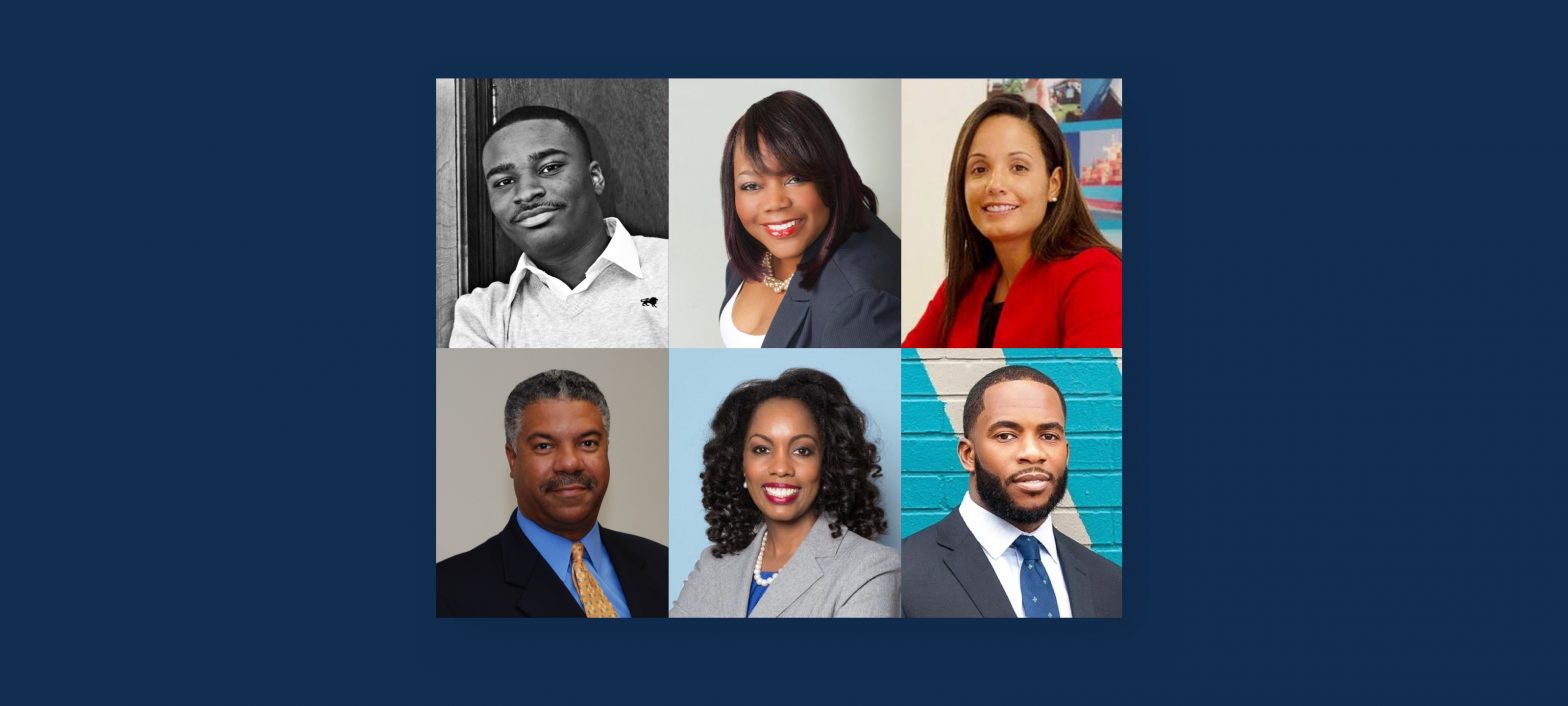
  • Making Houston History Today: 6 Black Changemakers you Should Know

    Making Houston History Today: 6 Black Changemakers you Should Know

    From political leaders and activists to landscape-shifting scientists, musicians and astronauts, the contributions of Black changemakers are embedded in Houston’s identity. And looking forward, there’s no sign of that changing any time soon. 

    More Houstonians have access to health care, more is being done to protect our air quality, and more of our most vulnerable children are being reached thanks to the remarkable efforts of Black-led organizations in the Houston area. 

    We’re proud to spotlight just some of the many exceptional Black leaders who help make Houston a better place to live, work and play — both now and in the future.

    An important note: We recognize that this list is far from exhaustive. We have plans to cover many more community leaders in the coming months. If you know of a leader or organization that we should cover, please let us know

    Kathy Flanagan Payton

    Fifth Ward Community Redevelopment Corporation
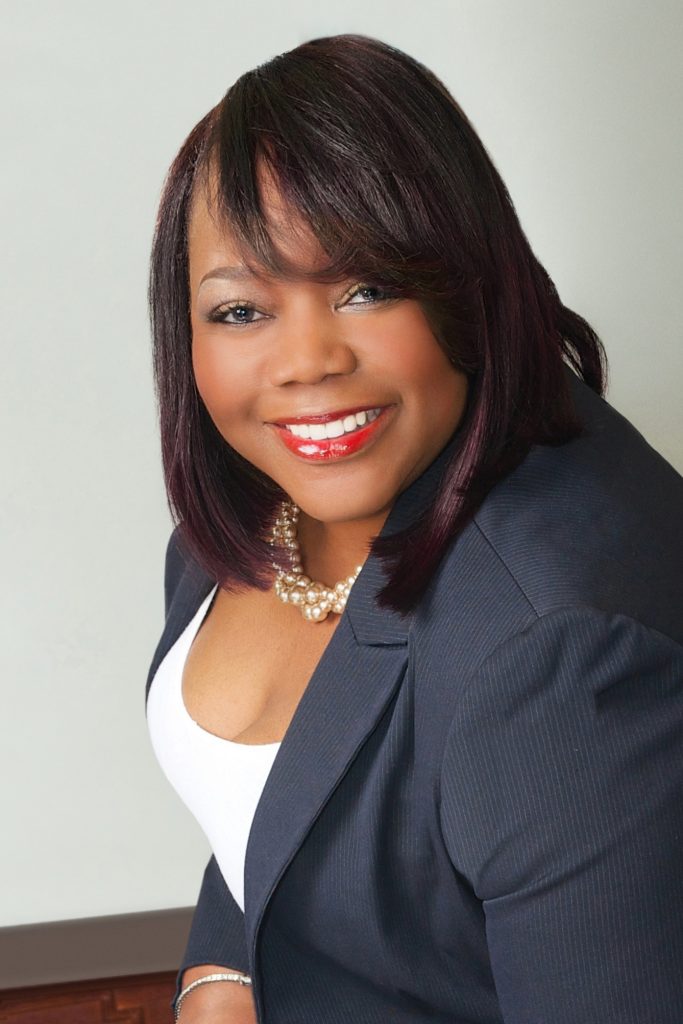
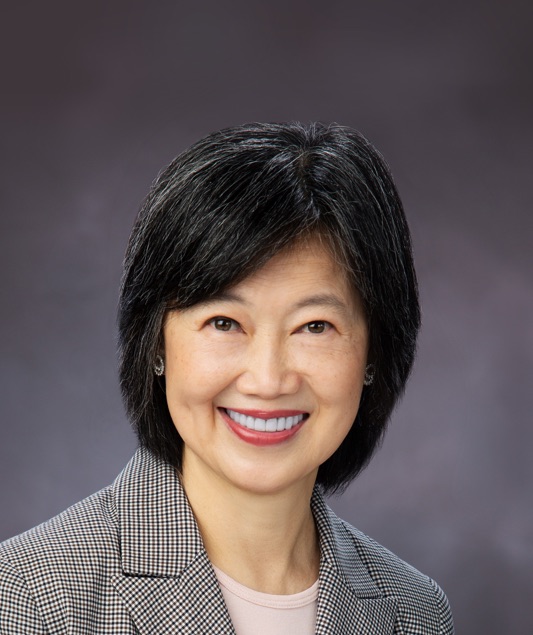
    Kathy Flanagan Payton, President and CEO of the Fifth Ward Community Redevelopment Corporation

    A stronger Houston region is one where all communities can provide their residents with safe, opportunity-rich places to live. That includes neighborhoods like Houston’s Fifth Ward. And as President and CEO of the Fifth Ward Community Redevelopment Corporation (Fifth Ward CRC), Kathy Flanagan Payton is dedicated to making the Fifth Ward a community of choice for those who call it home. 

    “We catalyze resources to build and preserve an inclusive Fifth Ward by developing places and creating opportunities for people to live, work and play,” Flanagan Payton says of her work with Fifth Ward CRC. “My vision for a better Houston includes opportunities for all people to excel and neighborhoods to present themselves as a community of choice — a place where people want to be and not a place where they’ve been left behind.”

    Kathy and her team at the Fifth Ward CRC recognize the importance of resident pride and visual appeal when it comes to building a more opportunity-rich community. That’s why they’re spearheading The Lyons Avenue Renaissance, a multi-million dollar revitalization initiative designed to refresh and redesign the Lyons Avenue corridor in a way that honors the community’s history and positions it for a brighter future. 

    Kathy’s work is inspired not only by the future of the Fifth Ward, but also by the remarkable people who’ve called it home both now and in the past. “As a native of Fifth Ward, the native sons and daughters of this community like the late Barbara Jordan and Mickey Leland have both been great inspirations. And while not famous, my grandmother instilled in me a desire to help people. Her motto was, ‘If I can help somebody, as I pass this way, then my living shall not be in vain.’ From each of them, my desire to make a difference has been further encouraged.”

    Looking forward, Kathy and the Fifth Ward CRC hope to build on the momentum of The Lyons Avenue Renaissance, extending their work into a new paradigm that focuses “less on poverty and more on opportunity” in this ever-changing environment.

    Dr. Charlene Flash

    Avenue 360 Health and Wellness
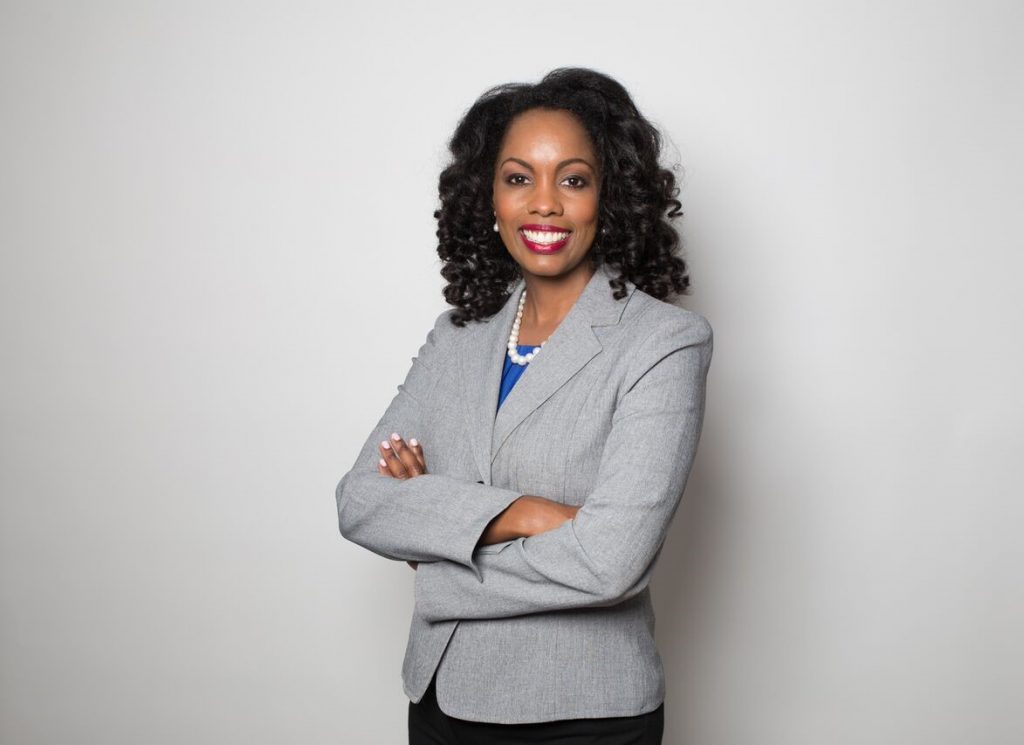
    Dr. Charlene Flash, M.D., M.P.H., President and CEO of Avenue 360 Health and Wellness

    Despite our reputation as a global leader in health care, Houston-area residents lack health insurance at significantly higher rates than the national average. In fact, the uninsured rate among non-elderly residents grew by 1.3 percentage points from 2016 to 2017 — the first uptick since the Affordable Care Act went into effect. This lack of coverage contributes to an increasing burden from several chronic health conditions, including HIV/AIDS.

    “At a time when our HIV testing platforms can provide test results in minutes, we still have nearly 1 in 4 people not being diagnosed until they have progressed to an AIDS diagnosis,” says Dr. Charlene Flash, President and CEO of Avenue 360 Health and Wellness

    Fortunately, Dr. Flash and the team at Avenue 360 are continuing their 30-year legacy of providing quality mental, physical and oral health care services to many different communities in the Houston-area including those living with HIV/AIDS, equipping them with the knowledge and resources they need to lead full, healthy lives.

    The name Avenue 360 refers both to the unique paths individuals take through life and the whole care options they can receive at the clinic. “We strive to meet patients at their time and location of greatest need… helping them access housing, mental health services and physical health care,” says Flash.

    Looking forward, Dr. Flash hopes to strengthen Avenue 360’s holistic approach to community health and extend equitable health care into spaces that promote physical, social and mental well-being beyond pure treatment.

    Terence Narcisse

    East Harris County Empowerment Council

    Terence Narcisse, Executive Director of the East Harris County Empowerment Council

    While the Houston region’s massive size creates a variety of opportunities for residents, it can also make some communities — like the unincorporated communities of East Harris County — feel forgotten. But together with his team at the East Harris County Empowerment Council (EHCEC), Terence Narcisse is working to fix that.

    Through a variety of community partnerships, education programs and outreach initiatives, Terence and EHCEC work collaboratively to improve quality of life, create new opportunities and form new connections for residents in low-opportunity communities like Channelview, Crosby, Galena Park, North Shore and Sheldon. 

    “My vision is that opportunity reaches every zip code in the Greater Houston/Harris County area, and that every person has access to opportunity in their community and zip codes where they live, work and play,” says Terence of his vision for East Harris County. And with the help of his fellow Houstonians, Terence has faith that he can see that vision through.

    Dr. Bakeyah Nelson

    Air Alliance Houston
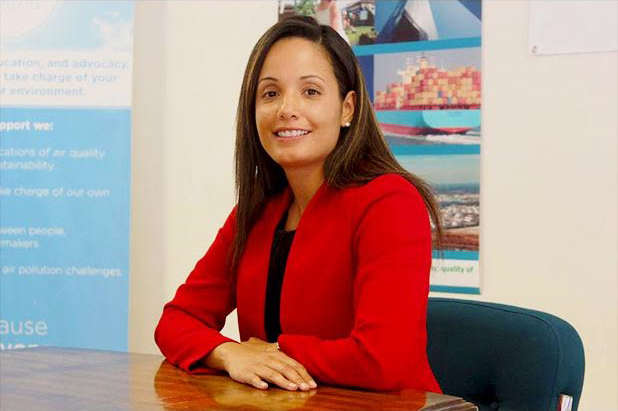
    Dr. Bakeyah Nelson, Ph.D., Executive Director of Air Alliance Houston

    Declining air quality is one of the most pressing threats facing the Greater Houston region today. Issues affecting air quality undermine public health, especially in urban areas.   

    And while Dr. Bakeyah Nelson sees Houston taking steps toward improvement, to her and Air Alliance Houston, they aren’t nearly enough.

    “It is not enough to parade Houston’s diversity without taking direct steps to address disparities,” says Dr. Nelson. “My vision for Houston is one that holds on to the pieces of our past that make this city great, such as our willingness to do things differently. However, we also need to work collectively to let go of the decision-making that has destroyed the health and well-being of so many communities, particularly those historically marginalized.”

    As Executive Director of Air Alliance Houston, Dr. Nelson directs community-based research projects, educates the public about environmental disparities, and engages in collaborative advocacy with multiple organizations toward improving air quality and advancing environmental justice in Houston-area communities. Recently, she and her organization helped win two hard-fought battles against planned concrete batch plants in two predominately lower-income neighborhoods. “That was very exciting for us and a relief for the residents whose health and safety were being threatened by facilities potentially being imposed on them.” Dr. Nelson said of the grassroots efforts, adding that “sometimes we win and sometimes we lose but we keep a laser-focus on our mission and we keep on going.”

    But no matter how hard the battles may get, Dr. Nelson and Air Alliance Houston remain inspired by the determined community leaders who help them keep their mission alive. “While I find it shameful that we have to fight so hard for basic human rights, I find it inspiring to work with many great local leaders who have a similar vision for Houston, one that is more equitable and just.”

    Marvin Pierre

    8 Million Stories
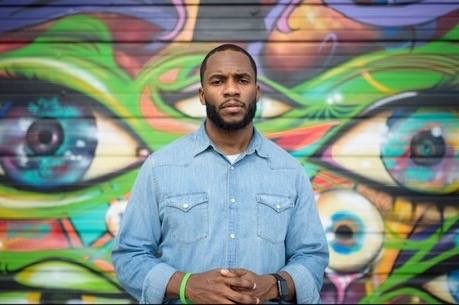
    Marvin Pierre, Co-founder and Executive Director of 8 Million Stories

    It’s estimated that  65% of all American jobs require education past high school. But for the 110,000 disengaged youth throughout the Houston area who are not enrolled in school and are not participating in the labor force, the barriers created by poverty can potentially put these and other employment opportunities out of reach. Marvin Pierre wants to change that. 

    With his organization 8 Million Stories, Marvin Pierre is working to redirect Houston’s disengaged and at-risk youth through education, skills training and authentic relationships with their communities. 

    “My vision is to really work to create more equitable opportunities for our youth, to break cycles of poverty,” says Pierre of his work with 8 Million Stories. 

    Across all three counties, Black youth are referred to the juvenile justice system at more than two-to-three times the rate of White youth. Working directly with youth who have found themselves involved in the criminal justice system, removed from school or otherwise disadvantaged, Marvin and his team provide a variety of programs designed to help these young people reach self-sufficiency including career training, education credits and mental health support. 

    “I’m inspired by the level of resilience that Houstonians have. In my experience with young people and working with Houstonians and learning about their stories and what made them successful, I’m inspired by how they’ve overcome challenges,” says Pierre. “Houston is a great city to do this work. We welcome organizations that seek to learn more and how they can be engaged.”

    Judson Robinson

    Houston Area Urban League 
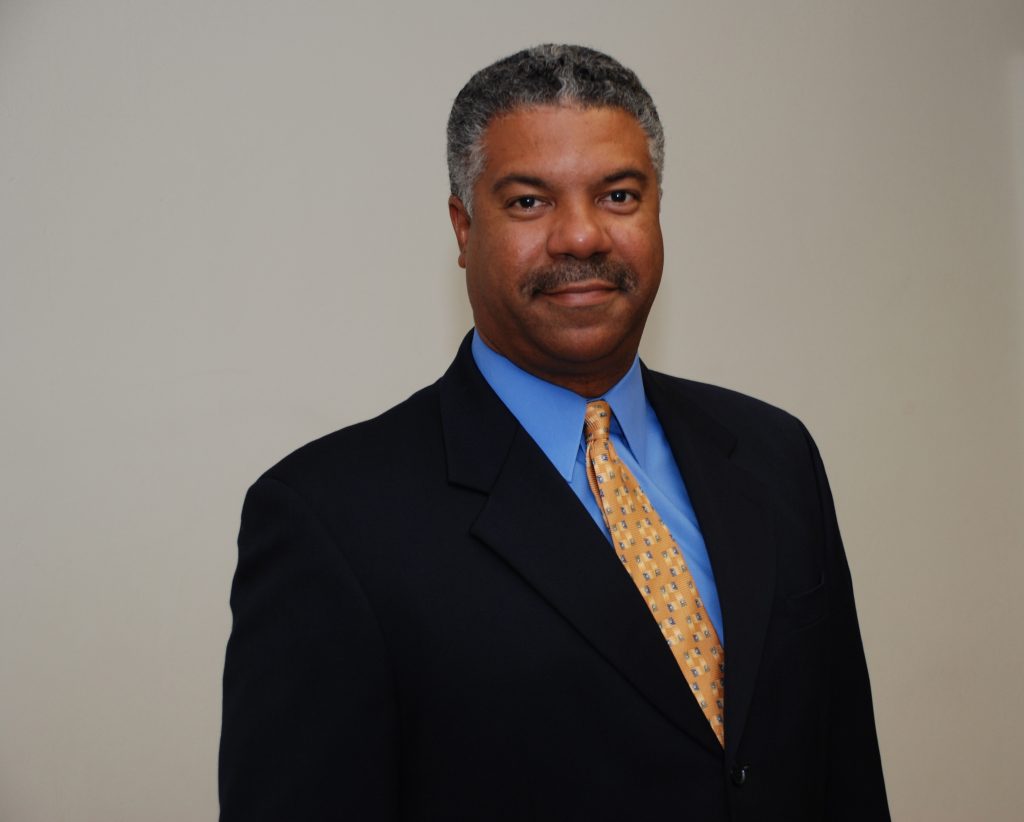
    Judson Robinson III, President and CEO of the Houston Area Urban League

    Despite Houston’s reputation as a highly diverse, economically empowered region, striking disparities in income, education, housing and health still disproportionately affect Black residents. Judson Robinson III and his team at the Houston Area Urban League are working to reverse these trends and empower disadvantaged Houston-area residents and their communities.

    Affiliated with the United Way and National Urban League, the Houston Area Urban League (HAUL) provides social services and programs to more than 10,000 economically disadvantaged residents including housing, workforce training, youth development, health and wellness initiatives and their entrepreneurship center.  

    In providing these services to those who need them most, Robinson hopes to inspire greater unity in the Houston area. “One of the things we’ve worked on is closing the equality gap… Certain communities, certain individuals and organizations, need more support than others to be on par,” says Robinson of his work with HAUL. “If we can start to look at the greater good and be more helpful to others, it would be good for all of us in the long run.”

    Moving forward, Robinson hopes to spread awareness and connect more residents with vital services and programs including housing assistance, job placement, foreclosure avoidance, tax filing and even civic engagement. “We hope to serve 12,000 clients, because it’s important to the people, it gives them a chance to get back on track or to keep from heading down the wrong path.” 

    Underscoring HAUL’s work is the incredible inspiration provided by Houston-area residents. “They will help,” says Robinson of his fellow Houstonians. “We’ve seen that when we’ve faced emergencies in the city, and we take a lot of pride in being Houstonians. There’s something about that.  In closing, we hope to meet those interested in our work at the upcoming National Urban League Conference this coming August in Houston.”
  • Houston native and community activist for the temporarily homeless

    Houston native and community activist for the temporarily homeless

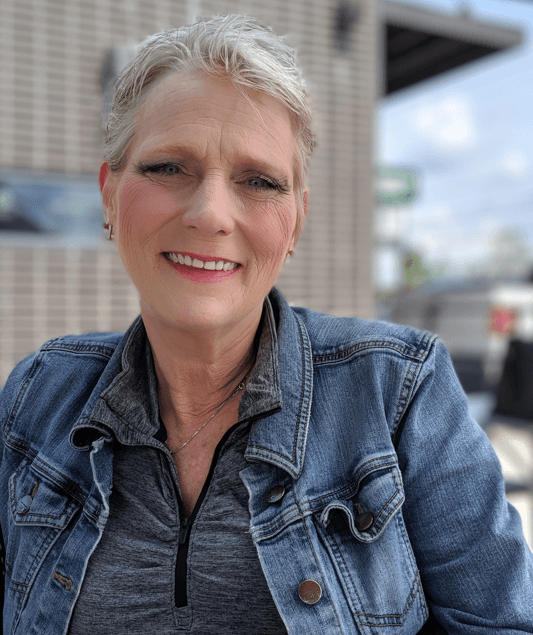
    Sharon Johnson: Aspiring — temporarily homeless — graphic designer

    There are 3,938 homeless men, women and children in the Harris, Montgomery and Fort Bend counties, combined, according to the 2019 homeless count by the Coalition for the Homeless. And as of now, Houston-native Sharon Johnson is one of them.

    Johnson, 57, was born and raised in Houston and grew up in the Westbury area. As an adult, she continued to live in Houston, but moved often in order to find affordable, safe housing. As a graphic and website designer, Johnson was able to “make it work for her and her family.” 

    Though, in the fall of 2018, Johnson wasn’t paid for three months by her primary client. After depleting her savings, she was served eviction papers in December. By January 1, 2019, Johnson was homeless. 

    “I used to be one of the people that went to the food kitchens to help out,” Johnson said. “And all of the sudden, now I find myself on the flip side of that, where, you know, it’s like I can’t survive.” 

    For more than two weeks, Johnson crashed at whoever’s house she was welcomed and slept in her car when she had nowhere to go. But on January 14, Johnson fell in a “friend of a friend’s home,” which resulted in a broken wrist and a concussion. 

    She felt she had finally hit rock bottom, and she reached out to the Mission of Yahweh, a homeless shelter for women and children operating in Houston since 1961, for help. 

    Because Johnson had been in contact with the shelter since December, the mission gave Johnson a bed, despite not admitting walk-ins. So on January 14, Johnson joined the more than 130 individuals — 62 of which are children — at the shelter. 

    “Most of the people that I’m around are people who got knocked around by some catastrophe and now all of a sudden are scrambling to try to survive,” Johnson said. “And this is an avenue where there’s some place to live, there’s a roof over your head and they feed you. In exchange [at the Mission of Yahweh], you do chores. You don’t live there for free.” 

    Since being admitted, Johnson has been able to get the medical help she needed, has gone through a professional development boot camp with nonprofit WorkFaith Connection, and has gotten grants to go back to school to get her associate’s degree from Houston Community College. 

    “Right now, I’m living the dream,” Johnson said. “You know, there are so many ‘isms’ that are attached to homelessness, and somebody being homeless and their situation and where they live and how they live. But I have gotten the most amazing support — I found so much non-judgmental spiritual support here. I haven’t been able to breathe for a lot of years, I haven’t really been able to just breathe and feel safe and feel cared for and feel like everything was going to be okay,” Johnson said. 

    All across the Houston area, thousands of people just like Johnson are searching for the chance to break free from the cycle of homelessness. Visit the links below to learn more about homelessness and unemployment in our communities.

    Additional Resources:

  • Archiving the Asian-American experience

    Archiving the Asian-American experience

    Anne Chao: Manager, Houston Asian American Archive — Adjunct Lecturer in the Humanities — Rice University

    Since 2010, Rice University’s Houston Asian American Archive (HAAA) has chronicled the oral history of Houston’s Asian American community. 

    “Houston has the eighth largest Asian American population in the country but does not have an oral history archive to record the contribution of Asian Americans to the city. That’s why we are documenting all this,” said Anne Chao. “My goal is that whoever the next historian of Texas will be — that scholar would have to consult our archive to put in Asian American activities. Because if you look at the textbooks of Texas now, they don’t mention Asian American activities and we’ve been here since the early 20th Century.”

    To ensure these valuable voices are preserved, the stories of local Asian-Americans are available on the HAAA website, whereby interviewees such as Nathalie Ho Roff demonstrate the importance of Houston’s vibrant Asian American communities, highlighting how their remarkable experiences reflect the larger spirit of the Bayou City.  

    Roff fled Vietnam with her family in 1978 as a child. Their boat sank, tragically killing much of Roff’s family, including her parents. She and her remaining family members were sponsored by a Baptist church in Virginia with help from an aunt who had come to the United States in 1975. Roff and her brother weren’t happy in Virginia. After a visit, their older sister, seeing the conditions they were living in, took them away to Houston, where they stayed with friends of the family. 

    Roff went through middle and high school in Houston and eventually made her way to the University of Texas at Austin for college. Roff did everything she could to pay for her education and graduated with only a small amount of loans. 

    In 1990 Roff finally attended Baylor College of Medicine, where she earned her M.D. specializing in internal and geriatric medicine. After a childhood filled with strife and tragedy, Roff fought her way to an excellent education and currently serves as a respected wound care physician in the heart of Houston.

    Roff is just one of more than 200 Asian-American Houstonians whose stories you can explore on the HAAA website. Visit the website here to explore how these experiences shape and inform our region, and visit the links below to learn more about diversity and immigration in the Houston area. 

    Additional resources on diversity:

    Additional resources on immigration:

  • NAMI executive director, advocate for a broader perspective on mental illness

    NAMI executive director, advocate for a broader perspective on mental illness

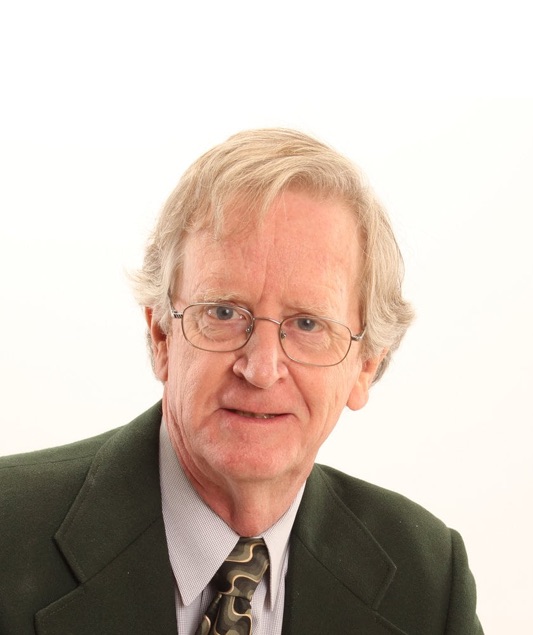
    Neal Sarahan: Doctor — Ally — Advocate for mental illness

    Annual physicals are a natural rhythm in a modern adult’s life, but nearly 15% of Americans haven’t had contact with a health care professional in the past year. Mental-health check-ups are even less common. Approximately, 1 in 5 adult Americans experiences mental illness in a given year. But even with the prevalence of mental illness, stigma keeps many from therapy, treatment, and recovery. 

    “Mental health instability is frightening. It’s also incredibly frustrating,” said Dr. Neal Sarahan, executive director of the National Alliance on Mental Illness of Greater Houston. “It’s something that we are not attuned to adapting to as parents and employers. This idea that there is a ‘norm,’ which is almost always stable, is not realistic and it’s not true. Too often, when we encounter instability, as individuals, parents, and employers, we are unprepared, and we remain silent, ashamed, and embarrassed.”

    Sarahan, who has worked in the mental health industry for more than 40 years, says there has been an increased acceptance and pursuit of understanding mental health, but more work needs to be done for the general population to understand mental health instability. 

    “People are trying their best to adapt,” Sarahan said. “But people in the world want to be competent and successful. If I’m a teacher, and this child is making me feel very incompetent, then I might want to exclude them because they don’t make me feel very successful. Similarly, employers are telling us, ‘We have people who have depression and anxiety. We don’t want to lose them, because we need their talents, but we don’t know how to support them.’” 

    There are several programs at NAMI of Greater Houston to help employers, parents, teachers, and the general public educate themselves on mental health and how to best help their employees, loved ones, and students live with their mental illness to the best of their abilities. The classes target a wide variety of topics, including the basics of mental health, peer-to-peer and family-to-family support groups, veterans, local jail inmates and active-duty military education classes, and more.

    “Helping everybody learn what pours gasoline on the mental instability fire and then what is the flame retardant,” Sarahan said. “Some of the punishment-and-demand systems simply accelerate mental instability. For some, external rewards do not work in an expected manner, because that’s not how that person’s brain works.” 

    Sarahan’s desire is for the general public to be aware that mental illness, unlike physical illnesses, aren’t easy fixes, but instead require day-by-day, hour-by-hour attention, patience, and understanding. 

    “A lot of parents want to go to a provider and say, ‘Fix my kid,’ like it would be this sort of surgical fix,” Sarahan said. “Well, mental illness doesn’t work that way. Sometimes you need to help peers, parents, and teachers understand the expectations of what this journey is going to be like.”

    Sarahan suggests people work to understand mental health at the foundational level. This way, everyone will develop strategies that enhance mental stability, and face the necessary times when depression, trauma, mood, and emotions are out of balance.

    “About 80% of our health is directly attributable to our food, diet, and exposure to chaos and injury,” he said. “We have to pay more attention to wellness and building conditions for wellness than seeking easy fixes.”

    Sarahan’s mission to change how we think about mental health requires interest and understanding from everyday Houstonians. Visit the links below to learn more about NAMI and how mental health shapes our society.

    Additional Resources:


  • Business manager, multi-county commuter

    Business manager, multi-county commuter

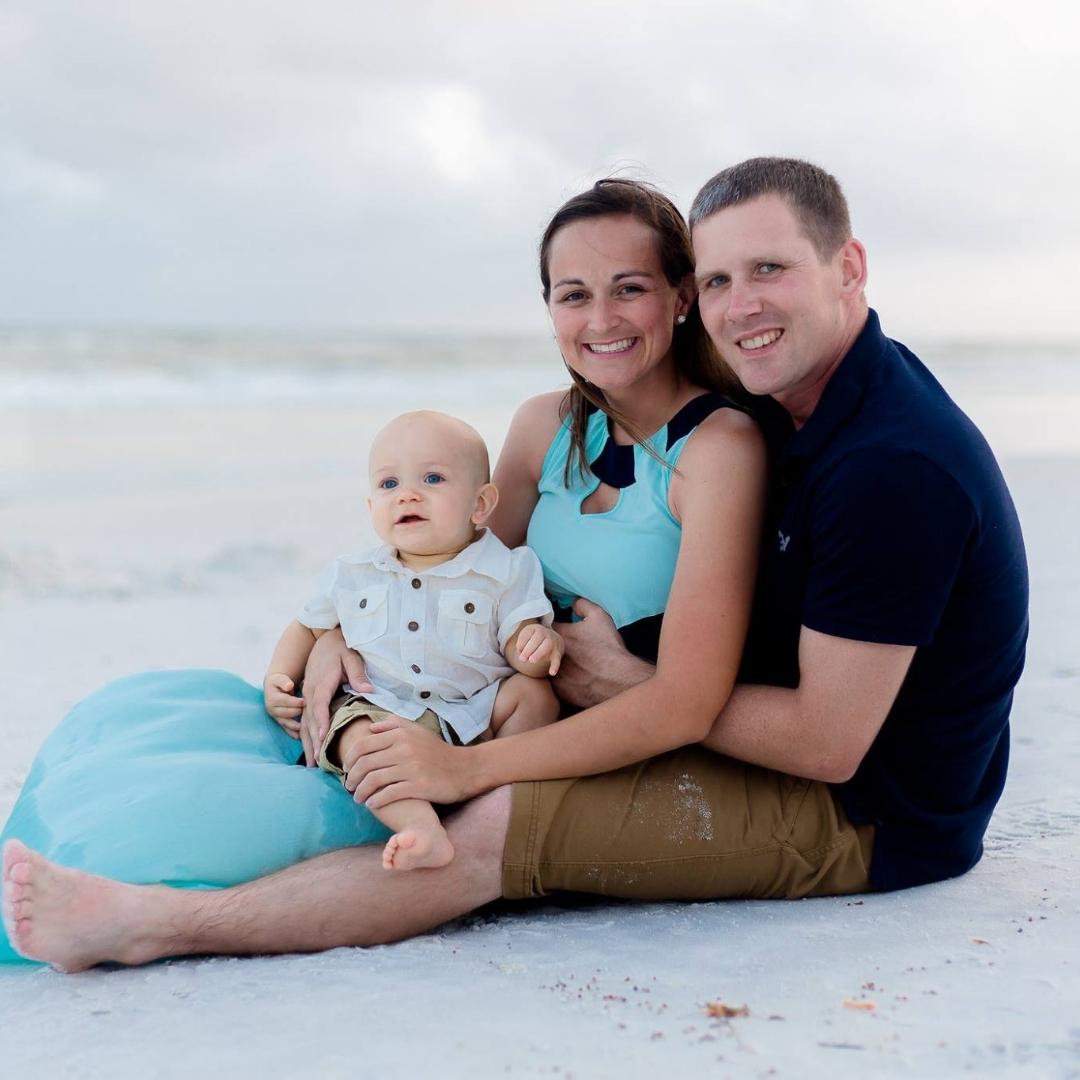
    Ryan Stough: Manager — Parent — Commuter

    As a six-year Houston resident, Ryan Stough has become all too familiar with one of Houston’s biggest headaches: long commutes. 

    As a Pearland resident, Ryan’s job as a general manager at a Houston-area Mister Car Wash Lube Center requires him to commute across two counties each day. And without access to any METRO public transportation from his community, he’s forced to rely solely on his car to complete his daily commute. 

    “When we bought the house, we didn’t really think about the commute,” Stough said. “I told my wife to pick an area she liked that was close to her teaching job because my job location is never secure. One day they might have me at one location for six months and the next day I will be at another.” 

    In the past three years, Stough’s work location has moved from Humble to Kirby and US-59/I-69 to the Sugar Land area. Currently, he’s commuting from Pearland, which is in Brazoria County, to the Sugar Land location, which is in Fort Bend County. Before moving to the Sugar Land location, he was traveling into Harris County to work off of US-59/I-69 and Kirby. 

    “I leave at 5:45 a.m. and it takes about 30 to 35 minutes. If I leave a minute after 6 — and I mean a minute after 6 — then there’s a lot of traffic,” Stough said of his more than 25-mile commute to Sugar Land. “It’s a little better when teachers are on their summer break. But coming back from the Kirby location, it would take me 45 to 50 minutes.”

    Stough currently drives his Toyota Tacoma and spends about $120 per month just on gas, but he’s working on repairing his Honda Civic, which would cut his gas bill in half. His wife, Tabitha, also has a vehicle of her own. 

    Overall, Stough has come to accept his commute across two Houston-area counties as a part of his life now. “I’m pretty comfortable with the commute,” Stough said. In fact, Stough doesn’t mind his commute so much so that he’s willing to drive further for a higher paying position at the Mister Car Wash location in Humble. “I would make that sacrifice to drive further for much more money,” Stough said. 

    But he does keep in mind the cost of his time due to his commute. “I would say the only negative to my commute is the time away from my family because I already work long days and my commute is 30 minutes each way so that adds an extra hour to my workday,” he said.

    Lack of access to public transportation in many Houston-area suburbs contributes to longer commutes for many Houstonians. Visit the links below to learn more about public transportation accessibility in the region. 

    Additional Resources:

  • Kindergarten teacher, advocate for early childhood education

    Kindergarten teacher, advocate for early childhood education

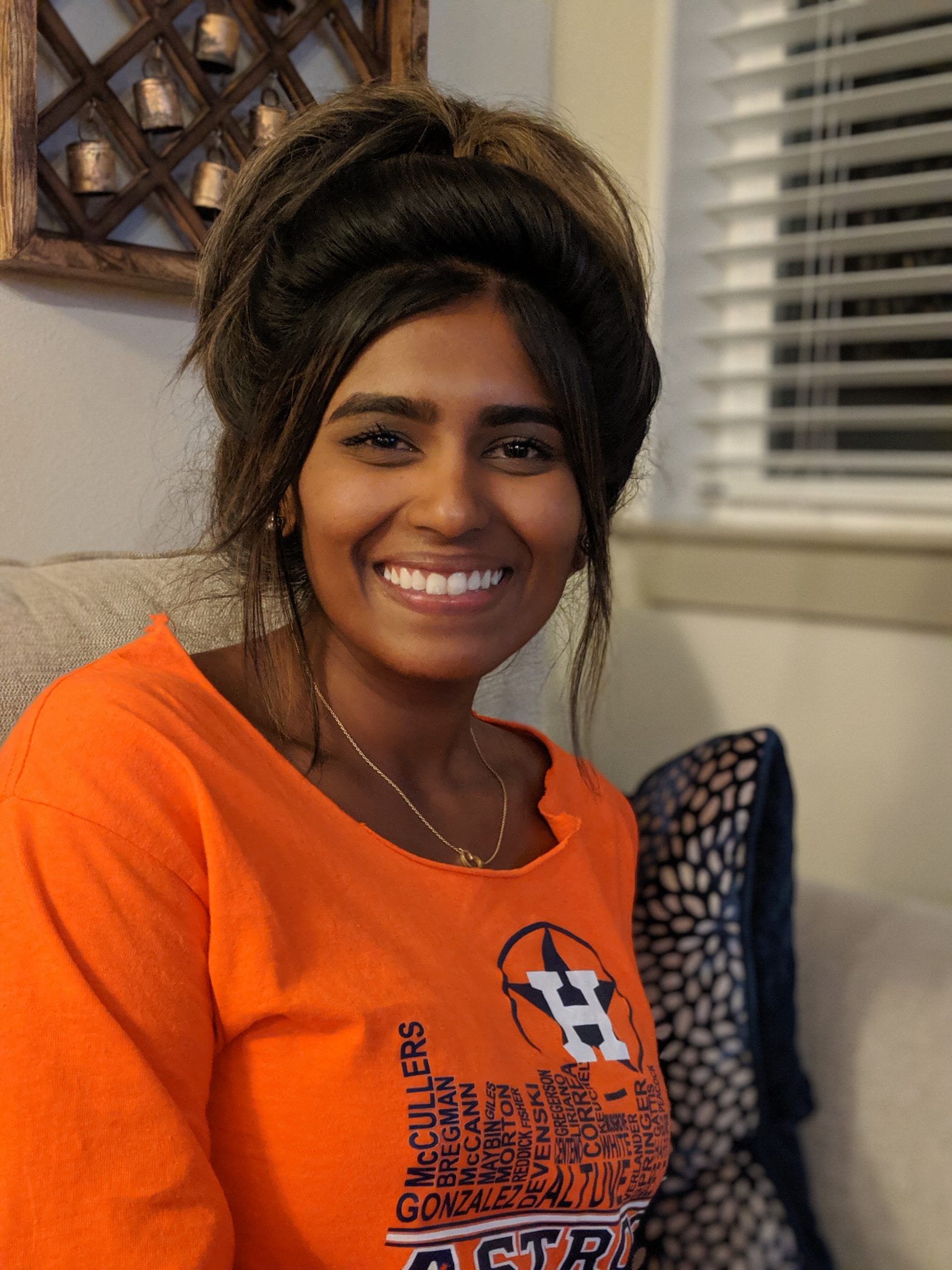
    Blessy George: Advocate — Early Childhood Educator

    As a kindergarten teacher in Harris County, Blessy George has had a first-hand view of the impact early childhood education can have on a child’s academic future. 

    “At the end of kindergarten, there are high expectations from the students,” George said. “A lot of times, my struggling students at the end of the year are the ones who did not do pre-K. These kids just needed more time.” When it comes to time, there’s only so much a teacher can do to help all of their students achieve success. 

    George says she works with her students in small groups of four or five students put together based on academic performance. But when she moves on from small groups and into classroom-wide lessons, some students struggle to follow along.

    The fight for early education in Texas has been a long one, but an important one, according to education professionals. Funding for pre-K has been granted and cut every few years since 2011. However, things are beginning to look up after lawmakers recently put money back into the annual budget for full-day pre-k for qualifying students.

    While the bill represents a step in the right direction for accessible pre-K, Erin Baumgartner believes real progress starts by addressing Texan’s misconceptions of these valuable programs.

    “Right now, pre-K is not the norm,” said Baumgartner, an early education researcher for the Houston Education Research Consortium at Rice University. “It’s not provided for all students. It’s provided for the at-risk populations, so it may be less common that everyone just assumes a child should be in pre-K somewhere. I think we should be talking about universal pre-K because it’s important to change the expectations and the norms around going to pre-K.”

    To George and other teachers like her, pre-k could be considered a prerequisite to ensure success in kindergarten. “They need to learn certain things before they came into kindergarten,” she said. The prerequisites George wishes she saw in every student include identifying all 26 letters (upper case and lower case), identifying all letter sounds, identifying numbers 0-10, and writing your own name. “The challenge with pre-K is it’s not free for everybody — you have to qualify for it,” she said.

    To qualify under the Texas bill passed in 2019, students have to be four-years-old, and must meet at least one of the following criteria: be from a low-income family, live in foster care or be homeless, have an active-duty military parent, be a child of a first responder or educator of the school district, or have limited English-speaking skills.

    “There’s a lot of families who are not homeless or don’t qualify, but a lot of those families can’t afford to pay for pre-K, either,” George said. “Those are the kids who are really struggling.” To close the gaps for the kids “in the middle,” George works directly with the parents.

    “A lot of these kids that did not do well, they end up repeating first grade,” George said. “So before that, I scare the parents into understanding that if they don’t do anything at home and they aren’t involved in their child’s academic success, then their child might have to repeat and no parent wants that.”

    Educators like George and Baumgartner will continue to advocate for high-quality, accessible pre-K programs in Texas. Visit the links below to learn more about the importance of early childhood education.

    Additional resources

  • Petroleum engineering professional, temporarily unemployed

    Petroleum engineering professional, temporarily unemployed

    Paula Inman: Lifelong Learner — Job Hunter — Energy Professional

    As a Texas A&M graduate in petroleum engineering, oil and gas was the foundation on which Paula Inman built her career. With more than two decades in the industry, Inman has seen the ups and downs of the oil and gas industry reflected in her own professional path. Her most recent down started after she was laid off by BP in August 2015, then laid off again by Hart Crowser in November 2016. After being laid off twice in 15 months, Inman entered her job search a bit weary, but still determined.

    Inman focused her search in the oil and gas field, but also expanded out to other engineering-driven industries in an attempt to expand her possibilities. But nearly two years into her search, she was scammed by an overseas opportunity that nearly drained her severance from BP. “I was begging. I was in the dumps. I was like, ‘Okay, God, what do you want me to do and how am I supposed to overcome this and continue to look for a job?’” Inman said. 

    Despite the scam, Inman pressed on and was referred to WorkFaith Connection through a friend volunteering with the Christian-centered organization. The mission of the organization is to encourage, educate, and equip disadvantaged job seekers with the skills and connections they need in order to gain employment. 

    “I was distraught, but luckily they got me in and I was able to do an orientation class,” Inman said. “I thought, ‘I have a resume already, this shouldn’t be a problem.’ But I went in with the attitude, ‘Okay, I’ve got to take whatever I can from this organization.’” 

    With resume building, practicing interviews, and professional coaching throughout the process, Inman feels she was able to receive the support she needed following the hurt she felt from the scam. Over a four-month period with the organization, Inman applied to “hundreds of jobs” and had five interviews that went on to second interviews, but none stuck, until she was able to find her current job as an engineering advisor with Occidental Petroleum Corporation, an international oil and gas exploration and production company headquartered in Houston.

    “I found out I got the job through a voicemail. I was like, ‘Oh my God!’ It was total elation,” Inman said. “The excitement of, ‘Oh my God, I’m not a loser anymore.’ But throughout that whole process, WorkFaith never stopped praying for me and supporting me.” 

    Even with strong experience in a healthy job market, people like Inman can still find themselves facing extended periods of unemployment in our region. Visit the links below to learn more about unemployment in the Houston area.

    Additional resources