Author: Chelsea Cheung

  • Domestic Violence in Texas: Trends, Challenges, and the Houston Perspective

    Domestic Violence in Texas: Trends, Challenges, and the Houston Perspective

    Domestic violence, also known as domestic abuse or intimate partner violence (IPV), is a pattern of behavior in a relationship used to gain or maintain power and control over an intimate partner.

    According to the Centers for Disease Control and Prevention’s (CDC) National Intimate Partner and Sexual Violence Survey published in 2022, half of women and 40% of men experience IPV (i.e., sexual or physical violence, stalking, and psychological aggression by an intimate partner) in their lifetime. These statistics only include individuals who experienced violence in a romantic or sexual relationship. However, domestic violence can occur in many other types of relationships, including between parents and children, grandparents and grandchildren, siblings, current or former spouses, individuals who live together, and both current and former dating partners.

    In the U.S., half of women and 40% of men report experiencing intimate partner violence in their lifetime.

    Experiencing domestic violence can have long-term impacts on an individual and contribute to prolonged mental and physical health problems. About 34% of women (42 million) and 15% of men (17.2 million) who have experienced IPV also report post-traumatic stress disorder (PTSD) symptoms.

    Beyond the impact on individuals, domestic violence poses a significant public health concern.  The National Center for Injury Prevention estimates the cost of intimate partner rape, physical assault, and stalking exceeds $5.8 billion each year—nearly $4.1 billion of which is for direct medical and mental health care services.

    It is important to acknowledge that no single study or dataset can fully capture the true prevalence of domestic violence, as it is significantly underreported. The U.S. Department of Justice estimates that less than half of domestic violence cases are actually reported to the police.

    The 2021 Harris County Health and Relationship Study found that among domestic violence survivors who sought help, the majority turned to friends or family members. For Houstonians, recognizing the many forms domestic violence can take, who it can affect, and the barriers survivors face when seeking help is essential.

    “It is not the victim’s fault – STOP victim blaming. We all need to hold the offender accountable. Change the question from ‘Why doesn’t the victim leave?’ to ‘Why does the offender abuse?”

    Amy Smith, Sr. Director of Operations and Communications for Harris County Domestic Violence Coordinating Council

    Terminology

    The words we use to describe an individual or situation have meaning and can be powerful.

    When collecting and analyzing data, using clear and commonly understood language helps ensure consistency and fosters shared understanding across individuals, organizations, and systems. However, no single term can fully capture every individual’s experience or apply universally across all contexts.

    In discussions of domestic violence, the term “victim” is commonly used by law enforcement and within legal proceedings. In contrast, many service providers prefer the term “survivor” to emphasize resilience and promote empowerment. Both terms carry significance, depending on the setting and the intent behind their use.

    For consistency, Understanding Houston uses data from the Texas Department of Public Safety and aligns with their terminology, which refers to individuals as “victims.” While this reflects the language used in official data collection, it is important to acknowledge the broader context and the diverse ways people may identify their experiences.

    Forms of Domestic Violence

    Often, when people think about domestic violence, they think in terms of physical assault that results in visible injuries to the victim. However, this is only one type of abuse. There are several other categories of abusive behavior.:

    • Control: This can include monitoring phone calls, restricting freedom of choice, and invading someone’s privacy by not allowing them time and space of their own.
    • Economic Abuse: This can include controlling the family income, making them turn their paycheck over, causing them to lose a job, or preventing them from taking a job. Being unable to work can make it even more difficult for an individual to leave an abusive relationship, as the batterer keeps them from having the necessary financial resources to support themselves.
    • Emotional Abuse & Intimidation: Continuous degradation, intimidation, manipulation, brainwashing, or control of another.
    • Isolation: By keeping the victim socially isolated, the batterer keeps the victim from contact with the world. By keeping the victim from seeing who they want to see, doing what they want to do, and controlling how the victim thinks and feels, they are isolating the victim from the resources which may help them leave the relationship.
    • Physical Abuse: Which can include hitting, punching, slapping, biting, etc., but can also include strangulation, withholding of bodily needs, injuring or threatening to injure others like children or pets, and hitting, kicking, or throwing inanimate objects during an argument.
    • Sexual Abuse: Such as exploiting an individual who is unable to make an informed decision about involvement in sexual activity, laughing or making fun of another’s sexuality or body, and making bodily contact with the victim in any nonconsensual way.
    • Verbal Abuse: Coercion, threats, and blame, such as threatening to hurt or kill the victim, their children, a family member, or even themselves, name calling, yelling, screaming, rampaging, or terrorizing.

    According to a report from the Texas Council on Family Violence, Texas domestic violence offenders abuse the same victim again in 70% of cases, even after a warning from authorities or after a protective order was issued. Many organizations that work in this area agree that violence almost always escalates over time. This escalation highlights the persistent and increasing dangers victims of domestic violence face and the need for more to be done to ensure their safety.

    Rates of Family Violence Increased During COVID and Remain High

    Over the past 15 years, the annual rate of reported family violence incidents in Texas has varied but shows an overall upward trend. Since 2018, rates have steadily increased, reaching a 15-year high of 836 incidents per 100,000 residents in 2022. In 2024, 803 incidents were reported per 100,000 residents.

    Harris County consistently reports higher family violence rates compared to the state and Fort Bend and Montgomery counties. While rates increased across all areas after 2019, Harris County experienced the sharpest rise—a 28% increase between 2019 and 2020.

    Some of the increase may be associated with the COVID-19 pandemic, which introduced additional stressors in households and relationships, potentially contributing to more frequent or severe instances of domestic violence. The 2021 Harris County Health and Relationship Study found that almost 52% of survey participants reported an increase in domestic violence after the COVID-19 pandemic began, and about 6% reported that physical violence began during COVID-19.

    However, rates of family violence have remained elevated in the post-pandemic period. During this time, many households in the Houston region have continued to experience economic distress and other challenges that emerged or were intensified during the pandemic.

    According to the 2024 Kinder Houston Area Survey, more than twice as many Houston-area residents reported their finances have worsened in the past few years compared to 2020. Additionally, incomes in the region have stagnated. At the same time, the cost of rent has increased; it is estimated that nearly 2 in 5 households are experiencing food insecurity, and the City of Houston now has the highest poverty rate among the top 25 most populous cities in the United States.

    Research has shown that economic hardship can increase the rate of domestic violence incidents.1,2 One study found a 30% increased chance of male-perpetrated violence linked to job loss, suggesting that the loss of income can create stress within the household and lead to more time at home, which increases a victim’s exposure to abusive behavior.3

    Deaths from Family Violence have Increased Dramatically Since 2017

    As we saw, rates of family violence increased across Texas and all three counties in 2020 with the most significant increase occurring in Harris County.  However, the number of family violence-related deaths has been steadily increasing across the state since 2017.

    Family violence-related deaths in Texas reached a peak of 532 in 2022, the highest in recent history. While deaths have decreased slightly to 465 in 2024, they remain 150% higher than in 2017 (186 deaths). According to the Texas Council on Family Violence, the increases that have occurred after 2017could be due to Hurricane Harvey and/or a higher prevalence of firearms.

    • Hurricane Harvey: Studies show that rates of violence can increase in the wake of a natural disaster due to increased mental distress and anger, as well as limited capacity of safe houses due to increased demands from the affected community or damage caused to the building by the disaster.4,5
    • Prevalence of Firearms: The number of active licenses to carry in Texas increased from 1.2 million in 2017 to 1.5 million in 2024, a 25% rise. In Texas and the United States overall, guns are the most commonly used weapon in domestic violence-related homicides. In 2024 in Texas, nearly three out of five victims (59%) were killed with a gun.

    Research indicates that abusers who own firearms are five times more likely to be involved in partner-related domestic violence deaths. Moreover, domestic violence incidents involving firearms are 12 times more likely to result in fatality than those involving other weapons or bodily force.6,7

    “Leaving an abuser is the most dangerous time for a victim of domestic violence. Survivors often stay because of the reality that their abuser will follow through with threats to hurt or kill them, hurt or kill the kids, or harm or kill pets or others.”

    Rachna Khare, Director of Community Engagement at Harris County Domestic Violence Coordinating Council

    Texas prohibits people convicted of some domestic violence misdemeanors from possessing firearms for five years following their release from confinement or community supervision. However, Texas law does not cover those convicted of violent assaults against a current or former dating partner, known as the “dating partner loophole.” The 2022 Bipartisan Safer Communities Act (BSCA) sought to address this gap at the federal level. However, enforcement of the federal law varies across states due to ambiguities.8 For example, the BSCA does not clearly define what constitutes a “dating relationship” leaving states to define this on their own.9 This creates inconsistencies in how the federal law is interpreted resulting in inconsistent applications across states.

    Reported family violence cases are most likely to occur between current dating partners and spouses

    Across Texas and the Houston region in 2024, the largest share of family violence incidents reported to the police involved victims who a current dating partner or spouse harmed. While domestic violence directly affects the person being abused, its reach extends far beyond the immediate victim. Children in the household often suffer deep and lasting impacts from exposure to domestic violence. For example, a boy who sees his mother being abused is 10 times more likely to harm his female partner as an adult, and a girl is six times more likely to be sexually abused compared to a girl who grows up in a non-abusive home.

    A boy who sees his mother being abused is 10 times more likely to abuse his female partner as an adult.

    Because domestic violence perpetrators are often close to their victims, it is difficult for the abused individual to reconcile that they are being harmed. Once they do recognize this harm, victims face several fears and stigmas when reporting the abuse and receiving assistance, which can deter many people from reporting their abuse. Some of the reasons domestic violence is frequently unreported include: 

    • Fear of the abuser due to threats and ongoing violence
    • Custody issues, shared finances or financial instability 
    • Living arrangements
    • Judgment/disbelief/blame from friends, family, or community members

    Additionally, the accuracy and type of information collected can vary depending on who is collecting the data and how they interact with the person reporting the incident. If a person does not feel safe or comfortable disclosing specific details—such as how they identify or the nature of their relationship with the abuser—the information provided may be incomplete or inaccurate. In some cases, the available reporting categories may not fully reflect the individual’s identity or relationship. For example, if the relationship does not fit into predefined categories on a reporting form, it may be placed under a broad label such as “Other Family Member.” As a result, certain types of victim-offender relationships may be underrepresented or misclassified in official data.

    Nearly two-thirds of reported incidents of family violence had a female victim

    In Texas in 2024, there were twice as many family violence incidents reported where women or girls were the victims as incidents where men or boys were the victim. However, the National Domestic Violence Hotline reports that there are likely many more men who do not report or seek help for their abuse due to many barriers. The barriers include men being socialized not to express their feelings or see themselves as victims, pervading beliefs or stereotypes about men being abusers and women being victims, the abuse of men often being treated as less severe, and the belief that there are no resources or support available for male victims.

    A disproportionate number of reported family violence incidents are from Black and Hispanic Texans

    In 2024, the percentage of reported family violence cases for Black and Hispanic Texans was higher than those demographics’ percentages of the population across the state. Hispanic Texans comprised nearly half (46%) of all reported family violence cases while they made up about 40% of the population. Black Texans made up about 12% of the population but comprised 27% of reported family violence incidents.

    However, these numbers are not a perfect representation of family violence as they only represent incidents that are reported to authorities, and specific populations are less likely to report. Depending on an individual’s belief, culture, identity, personal experience, etc. they may have varying levels of comfortability reporting their experience of domestic violence with law enforcement.

    In the United States, limited English proficiency is one of the obstacles individuals can face when reporting domestic violence. While all survivors and victims of domestic violence can encounter difficulties when reporting abuse, according to the Asian Pacific Institute on Gender-Based Violence, those with limited English proficiency face additional challenges such as:

    • Being stereotyped as uneducated, helpless, or unwilling to learn English or adapt to U.S. culture.
    • Not receiving adequate language interpretation or translation services.
    • Having an English-speaking abuser mislead or lie to police or first responders by deliberately misrepresenting or falsifying facts claiming that they were assaulted, which can lead to the real victim being wrongfully arrested.

    Moreover, across Houston’s immigrant communities, victims face barriers related to cultural taboos, immigration status, cultural mismatches with mainstream agencies, violence from extended family systems, and a lack of knowledge of their legal rights and protective options. As a result, domestic and sexual violence is underreported and underestimated in these communities.

    Culture can also impact an individual’s likelihood of seeking assistance when experiencing abuse from someone they have a personal relationship with. The Urban Institute points to research shedding light on underreporting of domestic violence in the Asian American and Pacific Islander community, which shows that deeply internalized patriarchal values could contribute to minimization and underreporting. Cultural values of prioritizing family and community over individuals can lead this population avoiding talking about their domestic violence experiences. Among Asian American and Pacific Islander women, one of the most common barriers to reporting violence is the fear of bringing shame on their family.

    Additionally, common factors and considerations exist that may account for underreporting of domestic violence by women of color. They include:

    • Cultural norms and/or religious beliefs that restrain the survivor from leaving the abusive relationship or involving outsiders.
    • Distrust of law enforcement, criminal justice systems, and social services.
    • Lack of service providers that look like survivors or share common experiences.
    • Lack of culturally and linguistically appropriate services.
    • Lack of trust based on the history of segregation and classism in the United States.
    • Fear that these experiences will reflect on, or confirm, the stereotypes placed on their ethnicity.
    • Attitudes and stereotypes about the prevalence of domestic violence and sexual assault in communities of color.
    • Legal status in the U.S. of the survivor and/or the batterer.
    • Oppression, including re-victimization, is intensified at the intersections of race, gender, gender identity, sexual orientation, ability, legal status, age, and socioeconomic status.

    “When a survivor leaves, they are taking one of the most difficult and courageous steps imaginable. Our communities can meet that bravery by building a culture where relationships are grounded in respect, safety, and care. These values should define our relationships in moments of calm and in times of crisis.”

    Rachna Khare, Director of Community Engagement at Harris County Domestic Violence Coordinating Council

    Resources for Survivors

    If you or someone you know is experiencing domestic violence, several resources are available to assist and answer any questions you may have, including but not limited to.

    Get involved

    One of the biggest barriers survivors face to reporting, leaving, or recovering from an abusive relationship is the lack of means to support themselves and/or their children financially or lack of access to cash, bank accounts, or assets. Safe, secure, and affordable housing remains a critical need for survivors to flee. As we work to end domestic violence, housing programs and nonprofit organizations that serve survivors must have access to flexible funds. 

    Consider donating to, or volunteering with, organizations who provide housing, financial assistance, legal representation, counseling, advocacy, and several other services to domestic violence survivors in our community.

    “Getting rental assistance has been one of the most important parts of my life, and it was a turning point. When I first held my keys [to our new home], I cried tears of joy. It was life-saving. The kids were so excited to be able to say they finally had their own place. To this day, my youngest son who was eight years old has the exact date and time memorized for when we first moved into our apartment. If Daya had not helped me and my family with housing, I have no idea how my life would have turned out.”

    Anonymous Survivor from Daya Houston

    Learn More

    If you’d like to learn more, the following organizations provide educational resources.

    References:

    1 Schneider, Daniel et al. “Intimate partner violence in the Great Recession.” Demographyhttps://www.ncbi.nlm.nih.gov/pmc/articles/PMC4860387/

    2 Medel-Herrero, Alvaro et al. “The impact of the Great Recession on California domestic violence events, and related hospitalizations and emergency service visits.” Preventive Medicinehttps://www.ncbi.nlm.nih.gov/pmc/articles/PMC7315959/

    3 Bhalotra, Sonia et al. “Domestic violence: the potential role of job loss and unemployment benefits.” The University of Warwick.https://warwick.ac.uk/fac/soc/economics/research/centres/cage/manage/publications/bn34.2021.pdf

    4 Gearhart, Sara et al. “The Impact of Natural Disasters on Domestic Violence: An Analysis of Reports of Simple Assault in Florida (1999-2007).” Violence and Genderhttps://www.liebertpub.com/doi/10.1089/vio.2017.0077

    5 First, Jennifer et al. “Intimate Partner Violence and Disasters: A Framework for Empowering Women Experiencing Violence in Disaster Settings.” Journal of Women and Social Workhttps://journals.sagepub.com/doi/abs/10.1177/0886109917706338

    6 Campbell, Jacquelyn et al. “Risk Factors for Femicide in Abusive Relationships: Results From a Multisite Case Control Study.” American Journal of Public Healthhttps://ajph.aphapublications.org/doi/10.2105/AJPH.93.7.1089

    7 Saltzman, Linda et al. “Weapon Involvement and Injury Outcomes in Family and Intimate Assaults.” Journal of American Medical Associationhttps://jamanetwork.com/journals/jama/article-abstract/397728

    8 Pulliam R, Bauman K, Smith J, Rice K, Harper GW. Closing the Gap: The Need to Eliminate Loopholes in Legislation at the Intersection of Gun Violence and Intimate Partner Violence. Undergrad J Public Health Univ Mich. https://pmc.ncbi.nlm.nih.gov/articles/PMC12360288/

    9Robert Leider. The Bipartisan Safer Communities Act: Doctrinal and Policy Problems. https://scholarship.law.nd.edu/jleg/vol49/iss2/2/
  • Celebrating Asian American and Pacific Islander Heritage Month: 9 Leaders Making A Difference

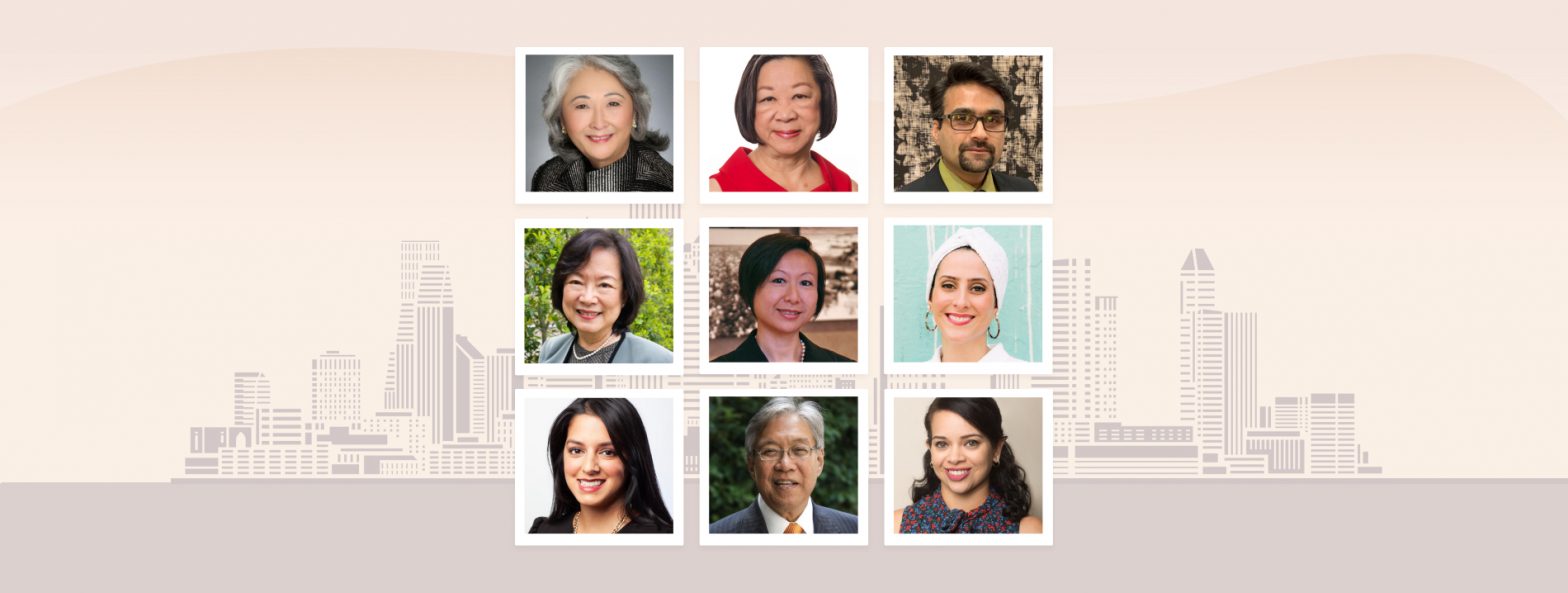
    Celebrating Asian American and Pacific Islander Heritage Month: 9 Leaders Making A Difference

    From advocating for children and immigrants to creating businesses to expanding access to the arts and community services and beyond, these Houstonians are creating a better future for our region

    Asian American and Pacific Islander (AAPI) Heritage Month was initially established as AAPI Heritage Week to last the first 10 days of May. This timeframe was chosen to coincide with the arrival in the United States of the first Japanese immigrants (May 7, 1843) and the completion of the transcontinental railroad (completed May 10, 1869) which relied heavily on Chinese labor. In 1992, Congress expanded this 10-day celebration to the whole month of May, which is now known as Asian American and Pacific Islander Heritage Month.

    The many invaluable contributions of Houston’s AAPI communities are as nuanced and diverse as the lives and identities of those who make them. However, these communities are often lumped together into one overarching cultural identity suffused with untrue stereotypes. 

    For AAPI Heritage Month, Understanding Houston is highlighting some of the incredible Asian Americans and Pacific Islanders who work hard through many different avenues to create a more vibrant Houston area with opportunity for all.

    We recognize that there are many Asian Americans, Native Hawaiians, and Pacific Islanders doing incredible work in the Houston area and that this list is far from exhaustive. If you know of a leader or organization that we should highlight, please let us know!

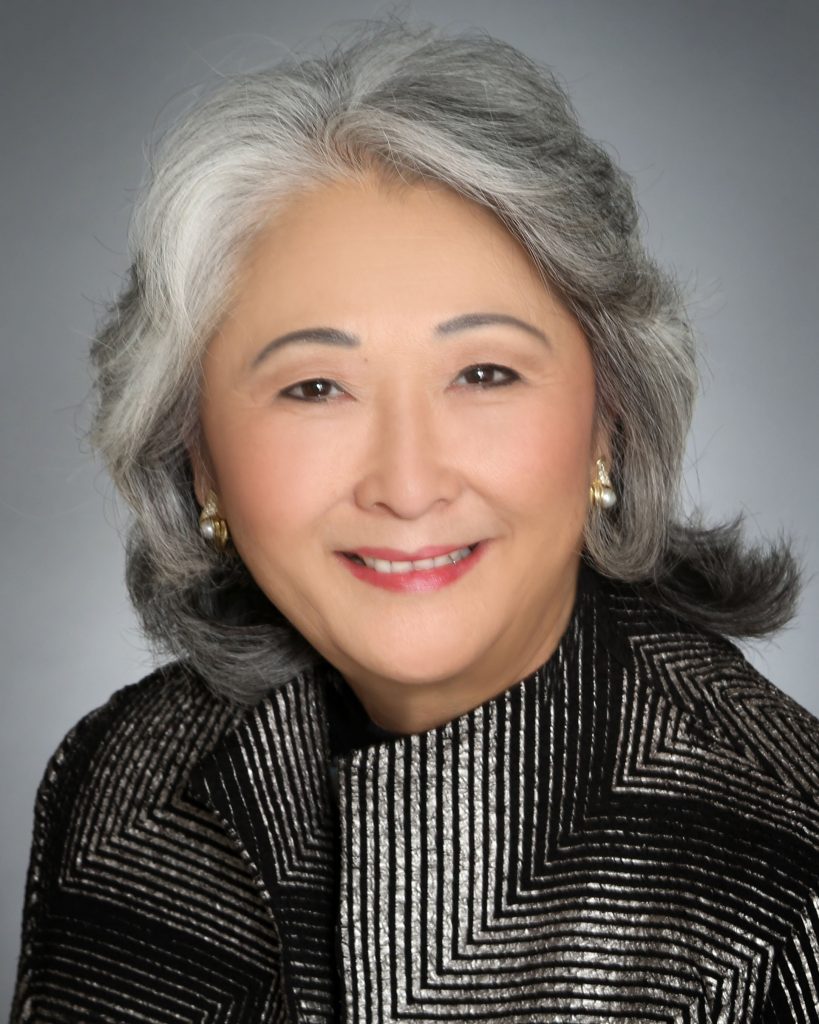
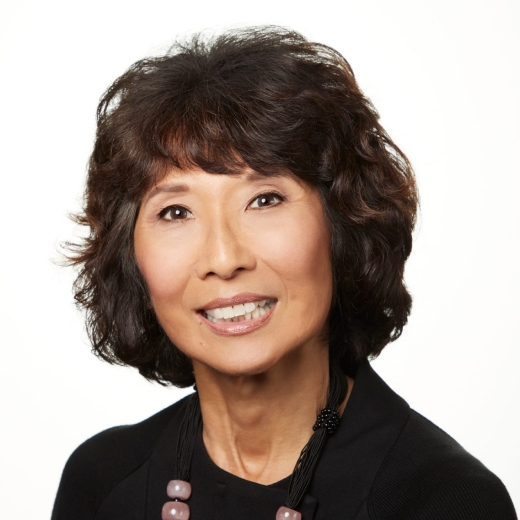
    Donna Fujimoto Cole, Founder, President and Chief Executive Officer at Cole Chemical

    Donna Fujimoto Cole, President and Chief Executive Officer at Cole Chemical

    The Greater Houston area has a robust small business sector compared to the state and nation, with the majority of businesses in the three-county area considered small businesses. Despite barriers, such as lack of credit access, 19% of small businesses are Asian-owned compared to 12% and 10% across the state and nation, respectively. Furthermore, 22% of small businesses in the Houston Metropolitan Area are woman-owned, and one out of five of those woman-owned businesses are owned by Asian Americans. That figure for Texas and the U.S. overall is much lower, with Asian American women owning 14% of all woman-owned businesses in the state and country. 

    Donna Fujimoto Cole is a Japanese-American trailblazer and an inspirational small business owner in the Houston area. Donna founded Cole Chemical in 1980 at the age of 27 as a single mother of a four-year old daughter with $5,000 in savings. As of 2015, her company was bringing in revenue in excess of $80 million and was ranked number three on Houston Business Journal’s (HBJ) Largest Houston-Area Minority-Owned Business List. That same year, Donna was also named one of HBJ’s 2015 Women In Energy Leadership. 

    Donna also empowers and supports other women, Asian Americans and Pacific Islanders by serving on the boards of the Center for Asian Pacific American Women, Rice University’s Chao Center for Asian Studies, the Women’s Home and the capital campaign for Asian Health Coalition (Hope Clinic). She is also co-founder of the Pantheon of Women, a production company which uses storytelling through film, television, plays and musicals to change the way men treat and perceive women, as well as how women see themselves. Donna also serves as Trustee of the Rockwell Fund where she is “proud to serve the socially and economically challenged in the areas of education, healthcare, housing, and recidivism.”

    Outside of her involvement on multiple boards, Donna also gives back to the community through Cole Chemical with financial and volunteer support to a multitude of nonprofits such as the All-Earth Ecobot Challenge and Dismantling the Cradle to Prison Pipeline. Since the onset of the COVID-19 pandemic, her company has also gone above and beyond to support the health and wellbeing of the Houston area by providing personal protective equipment (PPE) to companies as well as nonprofits at a discount. 

    Despite facing much discrimination growing up during a time in America where there was animosity toward Japanese Americans, Donna did not let those negative experiences create resentment in her. Though her family and peers encouraged her to not embrace her Japanese heritage and culture in order to assimilate into American culture, she actively chose to do the opposite, by providing opportunities and mentorship for individuals in the Houston community. When asked what she finds most inspiring about Houstonians, Donna remarked that the Houston she experiences today is a big hometown where people are accepted no matter where they originally call home.

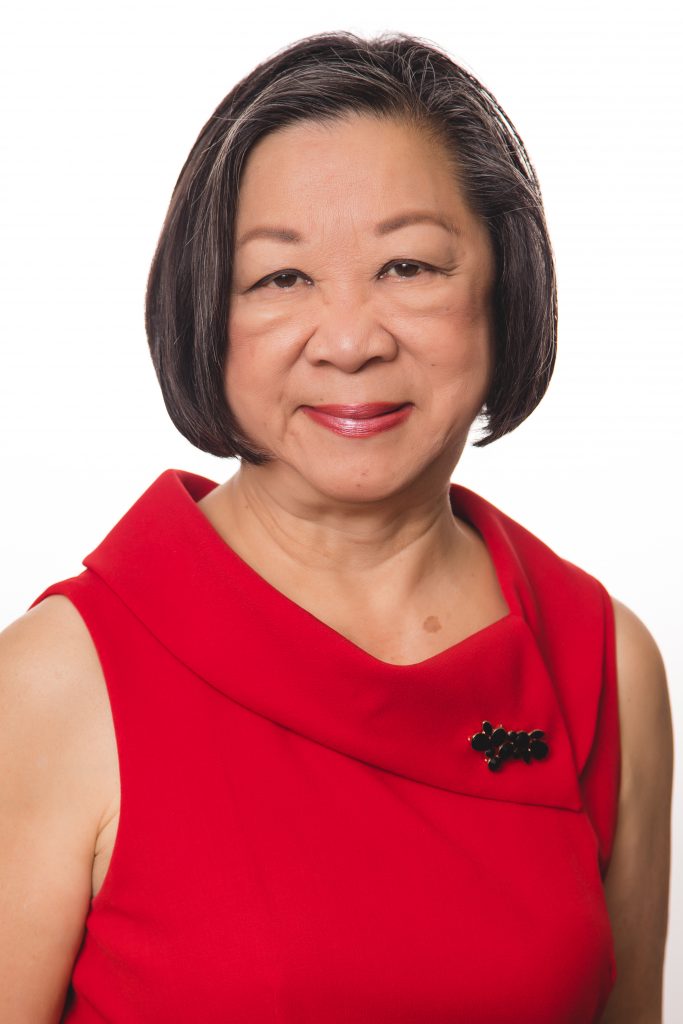
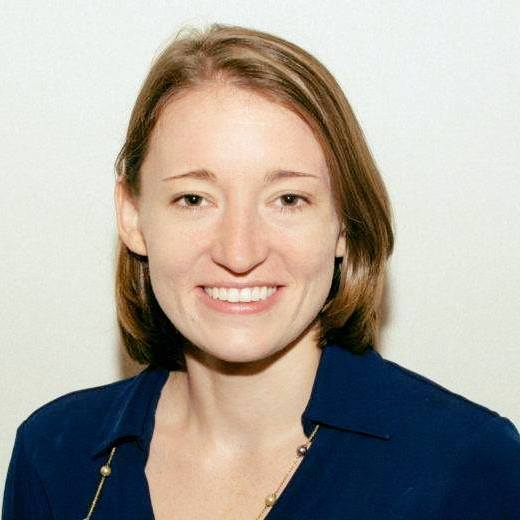
    Rogene Gee Calvert, Philanthropic Consultant

    Rogene Gee Calvert, Philanthropic Consultant

    Rogene Gee Calvert has worked for years to improve the quality of life for all Houston residents. Her vision for a better Houston is “a city that plans for its future — to know where we want to be as a city and to chart a plan to get there, e.g., land use, mobility, housing, infrastructure and neighborhoods. Opportunities for Houstonians to get to know each other better and learn from each other.”

    Rogene’s journey truly began after she graduated from the University of Texas and began working for a project housed under the Community Welfare Planning Association, where she helped evaluate the effectiveness of different methods to treat substance abuse. She then took those skills and functions with her to United Way of Greater Houston, where she worked for 11 years. Afterward, Rogene became the head of the Child Abuse Prevention Network, continuing her learning experience in the nonprofit space. Her continued involvement working at nonprofits broadened her vision of social work and its many different dimensions. While in college, she thought social work was only clinical but “I discovered that it included social advocacy, planning, research, and policy and program development.” Regarding the start of her career, Rogene reflects that “I was fortunate to accidentally venture into this area and have made it my life’s calling.”

    The good that Rogene provides for the Houston community stretches far beyond her professional career. When she would travel in the early 1990s, Rogene noticed there were community and health centers for Asian Americans that didn’t exist in Houston, despite the region’s fast-growing Asian American population. This drove her to take action and collaborate with others to fill this gap by starting a number of programs, including Asian American Family Services, which provided mental health and social service needs through bilingual and bicultural counseling and supportive services, and the Asian American Health Coalition/HOPE Clinic, providing healthcare and initiatives to promote healthy living and increased access to a continuum of care for the Asian American, Native Hawaiian, and Pacific Islander communities. 

    Rogene loves the city she calls home and is often inspired by its residents. 

    “I have often heard that Houstonians are friendly, kind-hearted, and selfless. Being a native Houstonian, of course, I am more self-critical, but the older I get and the more I get around, I totally agree. There is something about Houstonians that make them have a positive outlook.” 

    As for what’s next, Rogene says that “although I am past ‘retirement age,’ I will probably never formally retire. I will continue to work in some capacity, advocating for the helpless and voiceless. My culture and heritage will always be important to me, and this current rash of anti-Asian hate and violence commits me to continue this fight.”

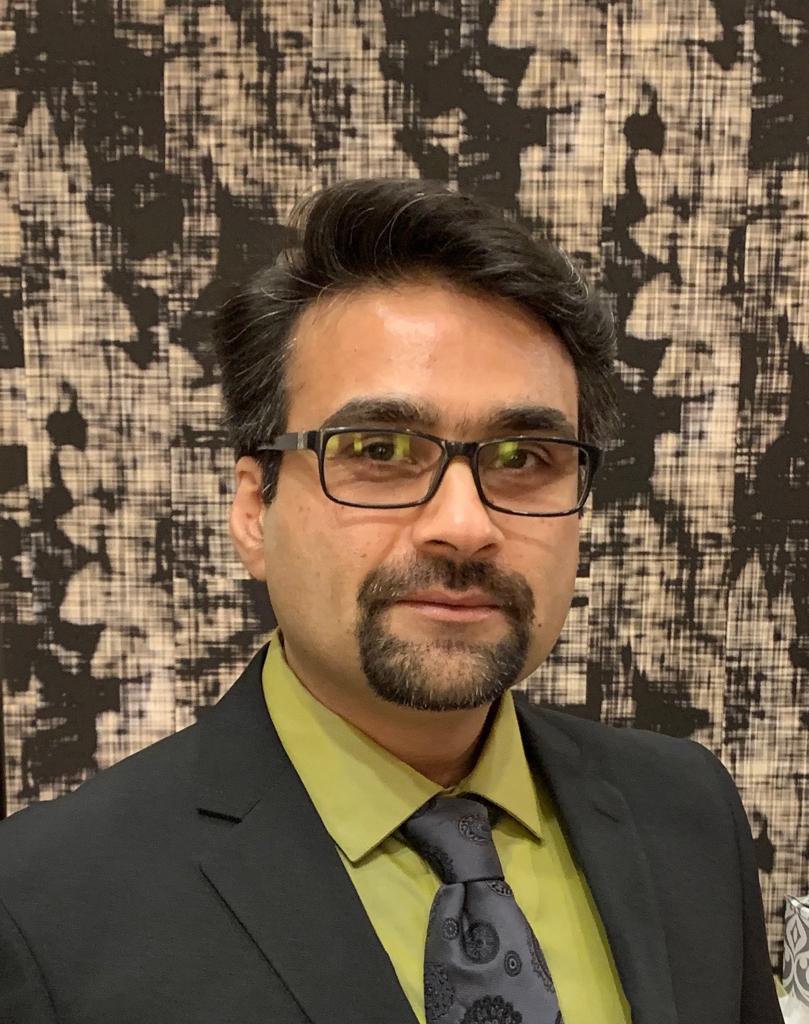
    Shahid Iqbal, Founder and Board of Directors President at Indus Arts Council

    Shahid Iqbal, Founder and Board of Directors President at Indus Arts Council

    The Greater Houston area is one of the most diverse regions in the country. Almost half of all households in the three-county area speak a language other than English in their home.This level of diversity gives Houston-area residents an opportunity to experience a rich array of different cultures, and Indus Art Council Founder Shahid Iqbal hopes to make Pakistani culture a more visible piece of the larger tapestry.

    Shahid has always had a passion for his Pakistani heritage and has had a growing desire to share that with others since immigrating to the United States from Pakistan when he was 16 years old. He remarks that Pakistan has been influenced by a vast number of different civilizations over the centuries, creating a rich, diverse and unique culture that has a lot to offer. Shahid sees the bridging of different cultures and experiences as a way to create a closer, more unified version of the already-diverse Houston area.

    “I would like to see Houston’s diversity bring different people even closer to each other.”

    Nearly 40,000 Pakistani Americans live in the Houston three-county area, the fifth largest Asian American subgroup in our region. The Indus Arts Council originally started as a way to maintain a bridge between first-generation South Asian parents and their American-born children by celebrating their rich Pakistani heritage. Since then, Shahid and others have intentionally broadened their reach to promote awareness of Pakistani arts and culture throughout our region to a number of individuals who do not have direct roots to Pakistan.

    In fact, despite the many important benefits of the arts — including  the promotion of inclusion, community improvements, academic achievement and even improved mental health — there is a gap in access to the arts in the Houston area, particularly between different socioeconomic groups. In Harris County, roughly only a quarter of households making less than $40,000 annually report having attended an arts event compared to over half of households making more than $100,000 annually. However, Shahid is working hard to reach out to these communities and provide them with a robust arts experience through language classes, cultural events, films and theatre. Despite the challenges created by the COVID-19 pandemic, Indus Arts Council quickly adapted classes to an online platform by mid-May 2020 which has allowed easier access to these opportunities not just across our region, but across the globe.

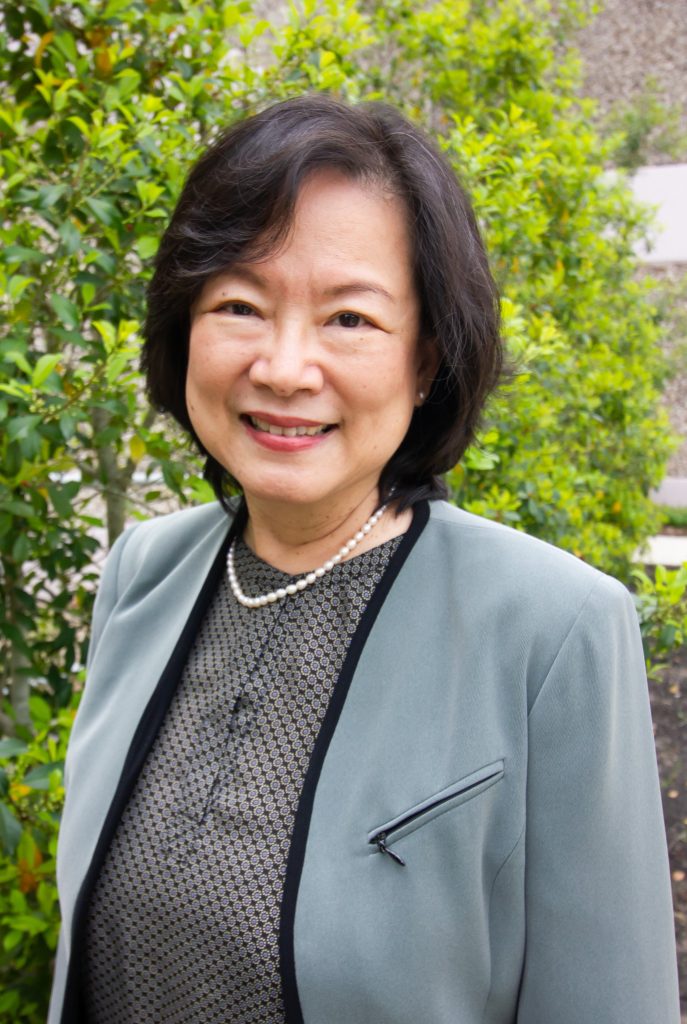
    Chi-mei Lin, Chief Executive Officer at Chinese Community Center

    Chi-mei Lin, Chief Executive Officer at Chinese Community Center

    Immigrants play a pivotal role in the Houston area’s population growth and diversity. In addition to the artistic and cultural contributions made by immigrants, immigrants add to our labor force and generate demand for goods and services within our local economy, helping our region remain a vibrant place to live. 

    Chi-mei Lin envisions a Houston area that “will continue to build on its reputation as a welcoming, multicultural city.”

    Through her work at the Chinese Community Center, Chi-mei has helped thousands of immigrants settle and build a financial safety net in the Houston area by offering services for quality childcare, workforce development, financial education, healthcare services and more in multiple languages including English, Mandarin, Cantonese, Vietnamese and Spanish. Chi-mei Lin and the Chinese Community Center work to bridge the cultures of the East and West by celebrating diversity and promoting cross-cultural understanding through a number of events, including an annual Lunar New Year Festival that, prior to the COVID-19 pandemic, attracted over 10,000 visitors each year from across the region. 

    “Through cultural activities like this, as well as our Asian Heritage Tours, Chinese Community Center has added vibrancy to the diverse tapestry of Houston.”

    The COVID-19 pandemic has created challenges, but Chi-mei Lin has been able to innovate and quickly adapt to meet clients’ needs by quickly transforming most in-person activities into virtual formats while also taking the necessary precautions to ensure essential services, such as childcare, could continue safely in person. During this trying time, Chinese Community Center also scaled up their IT capacity and lendable digital service inventory to mitigate learning loss and the digital divide among children and adult students. The Chinese Community Center has also pivoted to meet emerging needs due to COVID-19, by providing COVID-19 specific health education and encouraging vaccination among members of the underserved population who often encounter language and transportation barriers. 

    Chi-mei is inspired by the giving nature of Houstonians, which she has witnessed first hand during the pandemic, seeing residents coming together to support one another through raising funds for PPE and volunteering to distribute food.

    “When crisis hits, Houstonians unite rather than divide.”

    Quynh-Anh McMahan, Senior Program Officer at The George Foundation

    Quynh-Anh McMahan, Senior Program Officer at The George Foundation

    Between March 7, 2020 and April 3, 2021 over 1 million residents in Fort Bend, Harris, and Montgomery counties have filed for unemployment insurance and two out of five have experienced either a “very” or “somewhat” difficult time paying for usual household expenses, as of late February 2021. 

    While the COVID-19 pandemic has exacerbated pre-existing economic difficulties, it has also worsened residents’ mental health, with public health strategies like social distancing limiting access to social networks and support systems. As a result, three out of 10 adults in the Houston Metropolitan Area have felt nervous, anxious or on edge for at least more than half the days of a week in late-February.

    Through her work at The George Foundation, Quynh-Anh McMahan has helped to rapidly deploy resources to provide assistance to the most vulnerable in the Houston area, including low-income families, seniors, and women and children at risk of- or experiencing abuse. To date, The George Foundation has contributed over $4.3 million toward COVID relief. “In particular, we heard overwhelming evidence of the increase in mental health needs from school leaders and nonprofit providers. The pandemic has elevated existing stressors and created new ones for families to face. Our investments in school-based counseling, telehealth and peer support groups ensured mental health options were available across a broad geography, and available in different modalities. Even prior to the pandemic, our foundation prioritized investments in mental health; between 2018-2019, our mental health grant making nearly doubled over the prior two-year period.”

    Throughout her work, Quynh-Anh is inspired by the innovation and hard work shown by Houstonians especially when leveraged with the strengths of a diverse and welcoming community. “My hope is that our community continues to challenge itself to grow in its role as a world leader, demonstrating that humanity and opportunity are not exclusive, and in fact can serve each other well.”

    As an immigrant from Vietnam herself, Quynh-Anh and her family experienced trauma due to a lack of resources and connections, exclusion and the stresses of adapting to a new life. However, she also encountered critical opportunities throughout her life which drove her to her current career where she is now motivated to provide these types of opportunities for others from disadvantaged backgrounds. “In entering the field of philanthropy I still wear my social work hat in assessing community needs and allocating resources, with an eye toward building opportunity for all.”

    Jida Nabulsi, CEO at Amaanah

    Jida Nabulsi, CEO at Amaanah

    Research has shown a strong relationship between frequent mental distress, 14 or more days of poor mental health in a month, and clinically diagnosed mental disorders such as depression and anxiety. Across the three counties, 9%, 12%, and 10% of adults in Fort Bend, Harris, and Montgomery counties, respectively, reported experiencing frequent mental distress. Although white adults are more likely to report mental health issues than people from culturally diverse backgrounds, the consequences of mental illness in minority populations may be more persistent. Lack of cultural understanding by providers and social stigma may contribute to the underdiagnoses of mental illness among people of diverse backgrounds and the immigrant population..

    Through her work, Jida sees first hand how disparities in mental health manifest in Houston’s immigrant communities due to language and cultural barriers, trauma, social isolation and many other factors. These barriers to treatment have a number of impacts, including those on educational attainment, as foreign-born populations in the three-county area are more than three times as likely to not earn a high school degree or its equivalent compared to individuals born in the United States.

    Jida works diligently to provide services to the immigrant and refugee population to help them thrive in their new environment and feel a sense of normalcy and social connectedness. 

    “In the past, nonprofits have advocated for short-term solutions for new immigrants. However, recent studies have shown that these short-term programs do not work. Research indicates that newcomers need at least seven years to integrate properly. Unfortunately, after these short-term resettlement programs, we find women are still struggling to find child care so that they can work, and children are still struggling to learn without the educational support they need because of an overburdened and inadequate school system. Changes are happening faster than the system can adapt, which is why Amaanah is here — to bridge the gaps.”

    Before beginning her career in the social services sector, Jida worked in oil and gas for ten years and faced several discriminatory experiences due to her gender, religion and ethnicity. After graduating from the University of St. Thomas, where in her senior year she made the decision to wear the Hijab, the first recruiter she interviewed with brought up her Hijab as something that would need to be discussed, going on to imply that employers would need to know when she wears it, when she doesn’t, or if she showered in it. That experience, along with a number of other discriminatory experiences, made Jida realize that she should not allow anyone to treat her without respect because of who she is. 

    “My advice to anyone reading this is to be proud of who you are, know your worth, and do not let trolls bring you down. We all need to learn and grow but not at the cost of our morals and values.” 

    Avani Narang, Director at Indus Cares

    Avani Narang, Director at Indus Cares

    Since the onset of the COVID-19 pandemic, thousands of households have been struggling with many things including food insecurity, access to digital learning, continuing post-secondary educational plans, and accessing resources for COVID-19 testing and vaccinations. In the Houston Metropolitan Area at peak times, 21% of all households and 30% of households with children have reported that they have often or sometimes not had enough to eat. With many school curriculums switching to virtual learning, 40% of households in the Houston area have not had consistent access to computers and internet; and with the economic toll for many due to the pandemic, over 60% of adults who have cancelled post-secondary educational plans did so due to income changes from the pandemic.

    Avani Narang became quickly aware and concerned of these issues faced by the community in which she grew up. Working now with Indus Management Group and finding ways to bring resources to their properties in Southwest Houston, she was fortunate her father felt the same way about giving back. Enlisting her father Ajay Gupta to supper her efforts, Avani began strategizing ways to provide resources to their residents who were impacted by both the pandemic and/or Winter Storm Uri. Currently, their team is focused on supporting their residents through distribution of supplies, facilitation of COVID-19 testing, administration of vaccinations, and arranging for guest speakers from the community to discuss continuing education opportunities with their residents.

    During her successful tenure at a large consulting firm, Avani found herself yearning to find ways to give back to her community at any opportunity. Consequently, her current work in philanthropy marks a very intentional career shift made out of a desire to create social impact and help move the Houston community forward in any way she could. As soon as the opportunity arose for her to lead the family foundation and join Indus Management Group as Director of Indus Cares, she immediately and excitedly started making the transition. 

    Although she encountered some push back from people in her life who thought, as a woman in her 30s, she should think of “settling down” and “staying put” instead of moving away from the stability of her current job, she realized she would not be happy unless she was doing the work she was meant to do. Since making this transition, she has never been happier and absolutely loves the work she does and the communities she works with; they inspire her by offering tips and best practices as Indus Cares shifts the services they provide to their residents to mitigate the effects of the COVID-19 pandemic. 

    “Regardless of any type of competition in our industries, when it came to helping the greater Houston population, everyone opened their door to give some advice and pointers.”

    Gordon Quan, Co-Founder and Managing Partner at Quan Law Group

    Gordon Quan, Co-Founder and Managing Partner at Quan Law Group

    Across the three-county region, more than 60% of residents think that increasing ethnic diversity due to immigration is a good thing. Additionally, 75% of residents in the three-county area also believe that immigrants who came to the U.S. without authorization should be given a path to citizenship if they speak English and do not have a criminal record. 

    Through founding Quan Law Group, a firm specializing in U.S. immigration law, Gordon works tirelessly to help individuals who immigrate here and want to officially call Houston home. He helps them navigate the often complicated and intimidating government bureaucracy, which he was first exposed to as a law student marrying a woman from Hong Kong. 

    “As a diverse city with a large immigrant population, I believe Houston can define what the modern American city can be when all are welcomed and respected despite their different cultural backgrounds and are invited to contribute to the common good even for those who do not look like themselves.”

    Gordon’s vision for a better Houston led him to run for office, aiming to show how important immigrants’ contributions are to the growth and vitality of our region. He was the first Asian American to ever be elected to an at-large position in the Houston City Council and the second Asian American ever elected to the Houston City Council. During his time on city council, he sought to open doors for job opportunities, funding for clinics and housing, and encouraged individuals to participate in the political process. He vividly remembers a Ramadan dinner on the plaza at City Hall, during which one person told him they did not even know where City Hall was before he was elected but now believes that the people are the owners of City Hall.

    Despite the successful outcome, Gordon faced significant obstacles when first running for Houston City Council in 1999 because of his race. 

    “My campaign consultant said that the public would be leery of an Asian-American candidate. We had to run billboards without my photo to get the public accustomed to my name. When we ran ads, we used an announcer with a Texas accent to introduce me as a person who grew up in Houston and had me say a few sentences to prove that I could speak proper English without an Asian accent.”

    Gordon may no longer hold a political office,, but he still works every day to make a difference in the community. Today, he works with the Asia Society Texas Center, developing an online curriculum for middle schoolers to educate them on Asian and Asian Americans to combat stereotypes. He hopes to take this work further and develop multi-ethnic experiences that help Houston celebrate its residents’ differences and to address bias that fosters discrimination.

    Gordon has deep admiration for the City of Houston and notes that, “It has been said that we don’t have a great waterfront and mountains, but we have wonderful, caring people. As a growing entrepreneurial city, people willing to work hard have been given a chance to succeed.”

    Charanya Ravikumar, Director of Development at Children at Risk

    Charanya Ravikumar, Director of Development at Children at Risk

    From 2000 to 2017, the population growth for children 17 years old and younger grew faster in Texas (26%) than in the nation overall (4%). In the three-county area, the number of children under the age of 17 grew more than 80%, 25%, and 70% in Fort Bend, Harris and Montgomery counties, respectively. However, more than 20% of children in our region live below the federal poverty line, over 350,000 children are food insecure, and almost half of third-graders are not meeting grade-level standards for reading comprehension. Charanya Ravikumar works hard to advocate for these children, who often can’t advocate for themselves, to improve their quality of life by addressing the root cause of poor public policies. 

    “My vision for a better Houston area is for every child who is born here or migrates here to be supported and provided with equitable access to resources to help them maximize their full potential.”

    Charanya grew up in India and Singapore and was not exposed to the U.S. public school system until her first job after college. Through her previous work as an engineer, she participated in an after-school program serving Title 1 middle school students, which made her aware of the inequities many children face with access to quality education in our current system. This experience drove her to the career transition she made and ultimately her current job with Children At Risk.

    As the COVID-19 pandemic began impacting a growing number of children and families in Texas, Children At Risk quickly reacted to the needs of those they serve by launching a three-point strategy to inform parents, partners and policymakers of resources and best practices; collaborating with nonprofit and community leaders across sectors; and advocating for policies that protect the most vulnerable families. They were also able to build on their work during Hurricane Harvey to rapidly create the Coronavirus Children’s Resiliency Collaborative, facilitating cross-sector collaboration to coordinate efforts to support vulnerable kids and families to create the greatest impact.

    Charanya is inspired by the generosity and community spirit of Houstonians through her work every single day. “The community comes together to help one another in full force not just in the wake of disasters, but also more quietly on a daily basis, which I find so inspiring!”

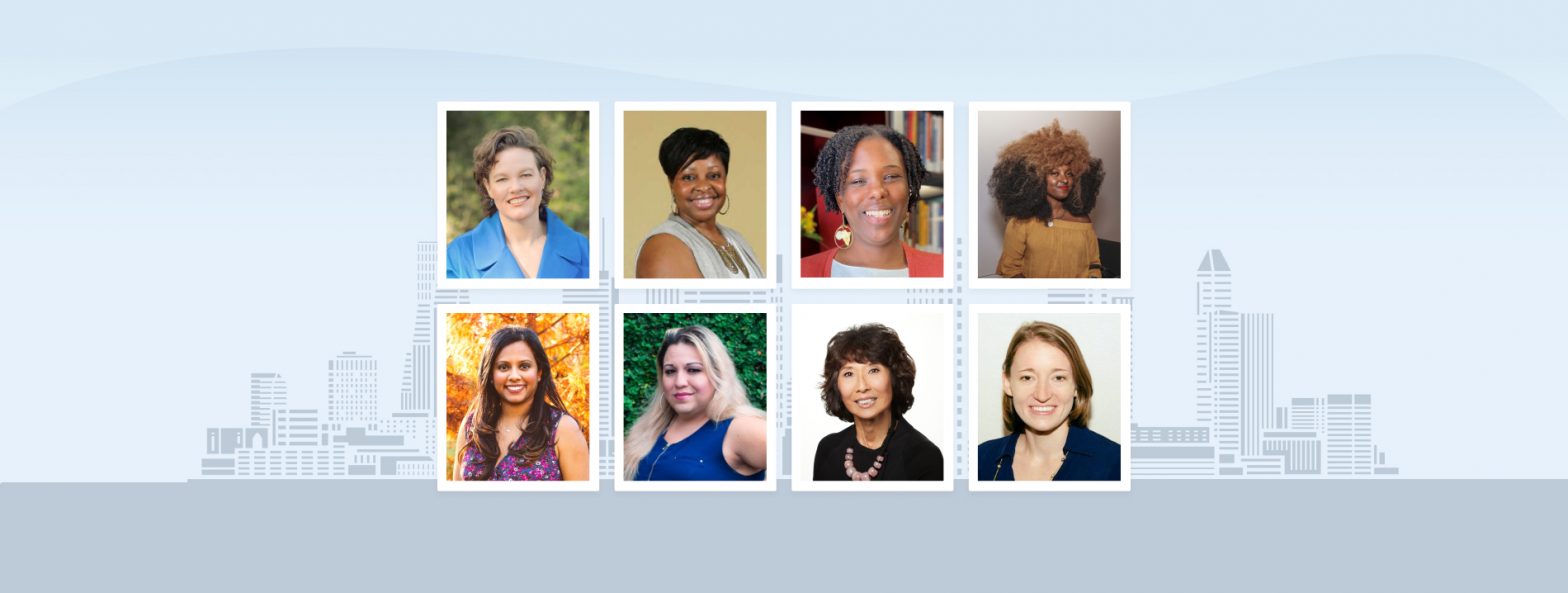
  • Women’s History Month: 8 Houston Leaders making a difference today

    Women’s History Month: 8 Houston Leaders making a difference today

    From protecting green spaces to fighting for gender equality and beyond, these are the women creating a better future for our region

    Every March, the United Nations sets a theme for Women’s History Month, and the theme for 2021 is “Women in leadership: Achieving an equal future in a COVID-19 world”. This theme celebrates the tremendous efforts by women and girls around the world in shaping a more equitable future and recovery from the COVID-19 pandemic, and highlights the gaps that remain. 

    The COVID-19 pandemic has had major impacts on the entire world, but has been particularly hard on women, who tend to be overrepresented in service industry jobs that were lost at disproportionately high rates due to stay-at-home orders. Women are exiting the workforce at higher rates than men due to historically unequal childcare between moms and dads, in addition to pre-existing gender pay gaps and overrepresentation in low-paying jobs.

    For Women’s History Month, we are highlighting some of the incredible Houston-area women who are working every day to fight inequalities that have been exacerbated by the pandemic. Building a more vibrant Houston with opportunity for all, these women spend countless hours improving our community through teaching and research, creating accessible green spaces, advocating for human rights and providing resources to some of the most vulnerable in our community.

    We recognize that there are many women doing incredible work in the Houston area and that this list is far from exhaustive. If you know of a leader or organization that we should highlight, please let us know!

    Shellye Arnold, President and Chief Executive Officer at Memorial Park Conservancy

    Daily, physical activity can reduce the risk of cardiovascular disease, diabetes and even some cancers. Research has found that  increases in park and recreation space are associated with increases in physical activity. The Houston three-county area boasts a number of beautiful parks, and nearly 82% of residents live within one mile of a park. However, that figure could change. Between 2001 and 2018, all three counties experienced at least an 18% increase in developed land. During the same period, these counties saw a considerable decline in the percentage of wetland, which comes with increased risk of flooding from heavy rainfall. 

    Shellye Arnold is working with her team to conserve our region’s green space, create a more resilient and connected Memorial Park, and improve public access to the Park. With the Conservancy’s project partners, she is leading the execution of the Park’s Master Plan – and it’s associated Ten-Year Plan – that is currently underway. She seeks to advance the Conservancy’s mission to restore, preserve, and enhance Memorial Park for all Houstonians both today and for generations to come. 

    “We have parks and green spaces of national significance and are continuing to grow and improve them with the public and private sectors working closely together. Innovating and investing in infrastructure for managing the storm water that regularly ravages our city is necessary. Houston has the opportunity to embrace lessons learned from cities that have tackled this problem successfully, including the creation of sustainable green infrastructure.” Shellye envisions a Houston that “will be known more as a green city, and less as a grey (concrete) city.”

    Charity Carter, Founder and Executive Director at Edison Arts Foundation

    Houston boasts a vibrant arts scene that is an essential part of our region’s quality of life. In fact, access to the arts has been shown to promote inclusion, community improvement, academic achievement and even improved mental health for residents. However, access to the arts in our region is not equal. Only 29% of Harris County residents who have a household income below $37,500 reported they have attended a live arts performance, compared to 58% of respondents with a household income of more than $100,000. 

    Charity Carter sees how interconnected the arts are with other quality of life indicators, and dreams of a Houston area where there is better quality of life for all residents that includes long term and lasting investments in communities with few resources. Through her organization,, she works tirelessly to make the arts in Houston more accessible by developing cultural and performing arts programs for children, adults and families throughout the community. Currently, they are working on a project in East Fort Bend County “that will blend arts and cultural programming, affordable housing, early literacy education, health care, entrepreneurship, jobs creation, outdoor green space and public arts into one community, creating necessary elements for an economically thriving community.”

    Charity is inspired by women such as her mother, Bertha Edison, and Lauren Anderson, who was the first Black principal ballerina for a major ballet company, “because of her commitment to stay in Houston and give back to the children in Houston.” Her advice to other women is to remember that “the race isn’t given to the swift nor to the strong but to the one who endures to the end!”

    Dr. Stacie Craft DeFreitas, Associate Dean of the College of Humanities and Social Sciences at University of Houston Downtown

    Quality education for all students is vital for a prosperous region and a thriving workforce and economy. However, educational attainment and success in the Houston three-county area vary significantly by race and socioeconomic status. Only 48% of economically disadvantaged students met or exceeded grade-level expectations in math compared to 71% of their non-economically disadvantaged peers, and only 14.4% of Hispanic and 26.1% of Black adults in the region hold a bachelor’s degree or higher, compared to 46.5% of white residents. 

    Dr. Stacie DeFreitas’ research explores what can be done to improve the academic success of youth, particularly urban, minority youth by examining mentoring relationships, faculty-student interactions and the influence of the educational environment on students. “My main concern with K12 education is the disparity across ethnic/racial groups and socioeconomic status. I have concerns that many of the public schools have been abandoned by those of higher socioeconomic status and many who identify as European American or white. This has resulted in schools that are less well funded and supported as the needs of the students are not priorities due to low rates of advocacy.”

    In her career, Dr. DeFreitas felt unconfident at times and had difficulty speaking up in meetings with more senior colleagues. “I felt like I had to have everything worded perfectly and was unsure of how to take a risk.” Over time, she received mentorship and support from others, which helped her build that confidence in her knowledge and abilities. Her recommendation to other women is to “build a network of individuals to support them and that they can support. Make sure that you are giving back and not just taking. This network should be broad and cover the personal and professional arenas.”

    She has been inspired by individuals such as Dr. Ernie Wade, a clinical psychologist and director of Minority Affairs at Wake Forest University, whose mentorship and impactful work inspired her to pursue clinical psychology; as well as Dr. Jennifer Montgomery, whom she describes as “a selfless person who strives to take care of others and lead a life of happiness and peace.”

    Secunda Joseph, Co-Founder of ImagiNoir/BLMHTX & Director of Community Organizing and Smart Media

    Houston leads most cities in racial, economic, and poverty disparities. It is also one of the worst for minorities when it comes to racial segregation as well as education and poverty gaps, according to an analysis by the Urban Institute. In the Houston three-county area, the median income gap between white and Black households is $38,605. That racial wealth gap will only be exacerbated by the COVID-19 pandemic. Since the onset of the pandemic, Black Houstonians have been affected by COVID-19 at disproportionately higher rates, and Black households in the Houston metropolitan area are experiencing higher rates of income loss and more difficulties paying for usual household expenses due to COVID-19 compared to white households. 

    Secunda, also known  as “For The People BAE” to her peers and colleagues, imagines a better Houston area in the future as a city where all community members have equitable access to resources. “I imagine a Houston where people have access, no matter where they live, to quality health care, quality education, and safety. And not safety in terms of police and punishment, but safety in terms of, I have the income I need and my neighbors have what they need. When folks have what they need crime, particularly survival crime, goes down.” 

    Through her organization, Secunda is coordinating and collaborating with others to effect positive change in the Greater Houston area through “trusting the people we are in the community with and using the resources that we have to highlight their voices and acknowledge the power, creativity, and wisdom that comes from these communities finding themselves needing help because of systemic oppression. Currently, that is happening through our mutual aid work.”

    Secunda is inspired by many women. One women, in particular, being BLMHTX co-founder, Brandi Holmes. She admires her can-do attitude and problem solving approach to her work, as well as her perseverance to do what’s right and get the important work done even in the face of adversity and limited resources. “She inspires me because she never gives up.”

    Going forward, Secunda will be working day in and day out, little by little to reimagine and recreate our current systems through an Ella Baker model of community organizing, which brings people together for sustained and coordinated strategic action for social justice. 

    “I would say, trust the people that we’re serving and encourage them to lead.”

    Rachna Khare, Executive Director at Daya Houston

    In May 2020, Houston saw a 15% increase in domestic violence offenses compared to the previous year, and a 48% increase in calls related to family violence involving aggravated assault.

    Rachna Khare works with survivors of domestic and sexual violence. Since the onset of the COVID-19 pandemic, her organization has seen an increase in the severity and frequency of domestic abuse, as well as the impact on clients who have recently fled an abusive relationship becoming unemployed due to the pandemic or having to cut their hours to take care of children who are at home. 

    “Across the county, we’re seeing women exiting the workforce. With domestic violence survivors, there is an added risk because these individuals typically experience some sort of financial control as part of their abuse. These women are exiting the workforce out of necessity which creates risks of them going back to their abusive partner due to financial need.”

    Rachna is working hard to ensure these survivors have access to the resources they need to continue thriving and surviving during the pandemic. “We are meeting a moment that is so uncertain with a ton of flexibility and malleability. Meeting people where they are, not being in a box, because these challenges are not in a box.”

    Going forward, Daya Houston will be focused on intentional outreach to a broader group of domestic violence survivors and reexamining the structures they have in place to be more innovative and responsive to what the community needs. 

    Rachna has hope in the Houston Strong commitment that she has seen from her neighbors during Hurricane Harvey, throughout this pandemic, and, most recently, in the aftermath of Winter Storm Uri where “people give philanthropically, give their time, and open their homes. I think that in a crisis we’re amazing as a city, and I would love to see that same mentality of community shifting over to the day-to-day as well.”

    Anandrea Molina, Founder and Executive Director at Organización Latina de Trans en Texas

    In Houston, the number of hate crime offenses rose 191% between 2017 and 2018; 75% of which were either motivated by race/ethnicity/ancestry, sexual orientation or gender/gender identity. 

    Ana envisions a Houston that is more accepting and inclusive. Through her organization, she supports, defends the rights of and creates survival networks for the trans latinx community. 

    “To create a better Houston, we need to change the systems placed here before us that we have grown to accept, and learn from our history to not repeat the same mistakes. These systems cause oppression and division within communities, and we hope to overcome all of these obstacles. Especially in the trans sector.”

    In her work, throughout the COVID-19 pandemic, Ana has seen the disproportionate impact on transgender women who already face so many barriers. “Transwomen often feel not included in any communities and lack support systems causing a disproportion of unemployment and the situation is even worse for those who are undocumented.”

    Ana is inspired by Harris County Judge Hidalgo for her strength and courage. “She fights for immigrants, the most vulnerable, and many communities have benefited from her hard work and dedication.” She also finds inspiration in the Houston immigrant community who are and always have been essential to the framework that makes Houston a robust and diverse region.

    “We each have our own story and struggle we deal with. We should be proud of everything we have accomplished and survived.”*

    Linda Toyota, VP Community Engagement and Development at LiftFund

    Small businesses are a major driver of employment, and the entrepreneurs who run them are more beneficial to our economy and stimulate more growth than larger businesses — helping to lower poverty and improve low-income areas. The U.S. Small Business Administration Office of Advocacy report indicates that women represent 44% of the U.S. economic activity. Despite the female demographic launching the most startups, they are underfunded.

    Through her leadership role at LiftFund, a nonprofit community lender, Linda Toyota not only recognizes the importance of loans to small business to create a more prosperous region, but also the impact these microloans can have “to promote wealth, business ownership, access to funding opportunities, availability of business and financial education, and information to help individuals break through the systemic barriers that have disproportionately impacted women and people from historically marginalized communities.”

    Linda looks forward to a Houston area where the potential of women entrepreneurs is fully realized and where “they could impact their livelihood and the economic growth of our community. I envision a Houston that is more inclusive and equitable.”

    The importance of diversity in Linda’s work and throughout her life comes from the history of her family and it aligns with LiftFund’s vision of a world where everyone has opportunity and access to education, just and equitable economies, the freedom to be fully engaged in the world, and are empowered to reach their dreams. Her parents were U.S. born Japanese Americans who were incarcerated in internment camps after the attack on Pearl Harbor. Despite this, her father enlisted in the U.S. Army and her mother was able to leave the camp when a family sponsored her. The exclusion experienced by her parents played a substantial role in making diversity and inclusion an important pillar throughout her life. She firmly believes that “one person can make a difference.”

    Elena White, Executive Director and Founder of Connective

    The Federal Emergency Management Agency (FEMA) has declared a disaster in Fort Bend, Harris, or Montgomery counties 26 times in the past 41 years. Despite the frequency of natural disasters in the Greater Houston area, many of which involved flooding, a majority of residents do not believe the local government is successful in protecting their homes from flooding. Six months after Hurricane Harvey, about 40% of people in the three-county area rated efforts by the local government to protect homes from flooding as “poor.” However, even with assistance, the impacts of disasters can last more than several years for those with the fewest resources. About 41% of Black residents who were affected by Hurricane Harvey reported that their lives were still “somewhat” or “very” disrupted one year later, compared to 26% of white residents.

    Elena White is working to improve Houston’s preparedness system in the event of a natural disaster and to ensure resources are distributed to the most vulnerable in our community when a disaster does strike. 

    “I believe that Houston should face the hard truths of climate change head on — leading the nation in proactive implementation of solutions to make our community more resilient, rather than facing disasters reactively.”

    Through the COVID-19 pandemic recovery work and human-centered research her organization is leading, Elena has seen first-hand the disproportionate impact on vulnerable populations like single, immigrant mothers, and their stories have stuck with her.

    “I think of Clara, a recently divorced mother of three, originally from Honduras, who gets her family food these days from the Food Bank and says that she often feels viewed as less than human by the staff at her apartment complex, And, Raquel, a hairstylist who lost 70% of her wages since the start of the pandemic. When asked what she’ll do if she cannot pay her rent next month, Raquel says, ‘I don’t have a plan. I don’t have a plan. The plan is day to day.’”

    “My organization’s vision is to transform social services to become human-centered. I personally want to live in this city without being constantly in survival mode, and I hope to continue to push for a city where no one is constantly in survival mode.”

    *Some portions of this interview were translated to English from Spanish.

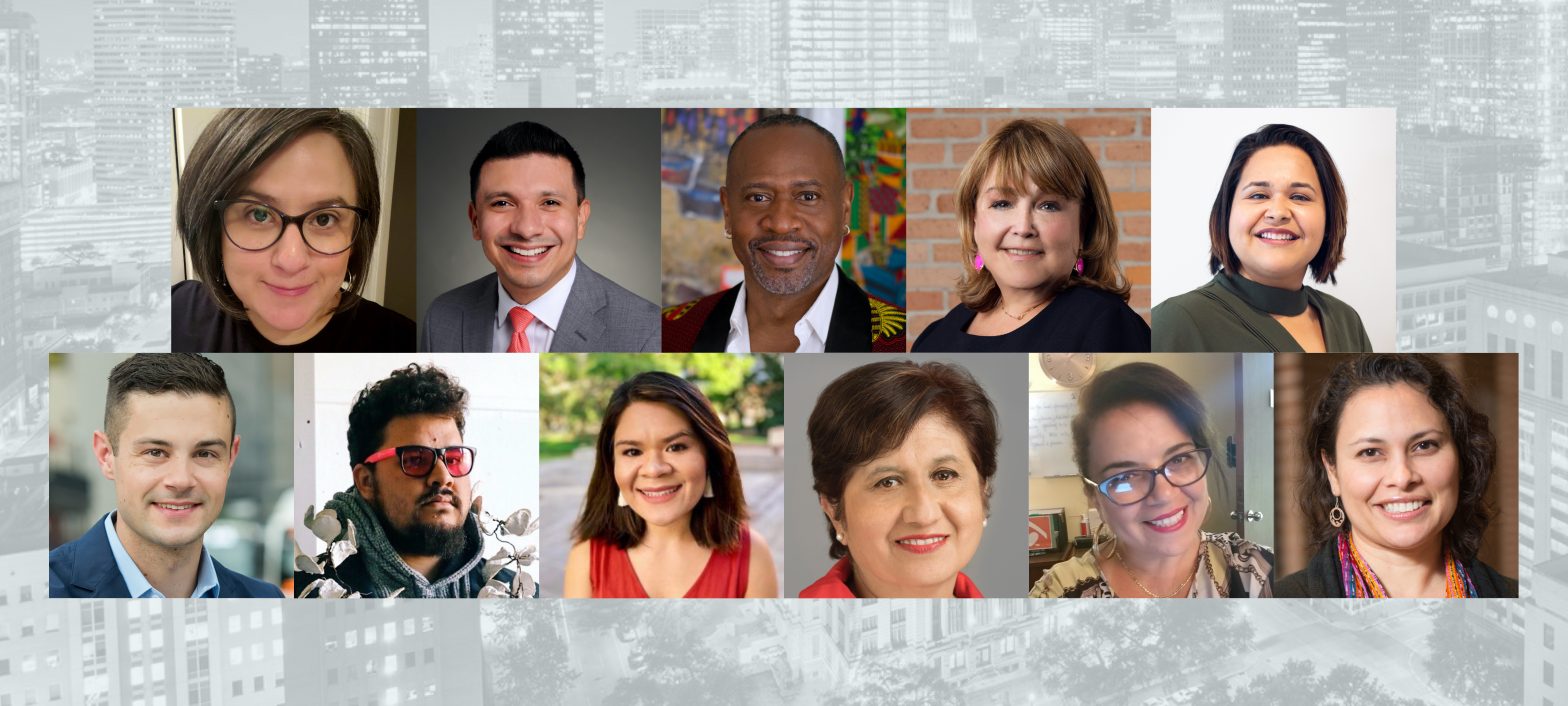
  • Celebrating Houston’s Hispanic Heritage: 11 Latino Community Leaders Making a Difference Today

    Celebrating Houston’s Hispanic Heritage: 11 Latino Community Leaders Making a Difference Today

    Meet Latino community leaders who are forging a brighter path for Houston

    Houston heritage is Hispanic heritage. The remarkable contributions of Houston’s Hispanic community can be felt in nearly every square inch of our sprawling region, forming a trajectory that aligns closely with our region’s future. 

    Within the next ten years, Hispanic/Latino* residents are projected to make up over half of the Greater Houston-area population, and as their presence increases, so too does their impact in our communities. Latino leaders are making vital contributions in nearly every aspect of Houston life — from speaking out for human rights and immigrant protections, to advocating for educational equity, to contributing to our arts and culture, to empowering communities of color through organizing and entrepreneurship.

    When it comes to making Houston a more vibrant, opportunity-rich region, these leaders are blazing new trails. An important note: We recognize that this list is far from exhaustive. If you know of a leader or organization that we should cover, please let us know

    Celesté Arredondo-Peterson

    Campaign Director at Texas Organizing Project – Houston

    Celesté Arredondo-Peterson, Campaign Director at Texas Organizing Project – Houston

    As our region continues to grow, access to quality housing remains an issue for new and established residents alike. More than one-third of Houston’s three-county area population does not live in adequate or affordable housing, and the problem is only getting worse — especially for Houston’s Black and Hispanic residents.

    Fortunately, people like Celesté Arredondo-Peterson and the Housing Justice team at Texas Organizing Project are working tirelessly to ensure that Black and Latino communities have access to the safe housing conditions that can help residents achieve their dreams and reach their fullest potential. 

    “Texas Organizing Project has been organizing with Black and Latino communities in Houston for 10 years. I like to think of community organizers as power paleontologists; it’s our job to unearth the power that exists in our communities…together we can demand the American dream we were sold.”

    For Celesté, these dreams and ambitions are more than just vague notions. She takes the time to hear residents in underserved communities and sees the potential that lies inside each and every one of them. “I spend a lot of time on people’s porches … their living rooms, talking to people about the things they care about. Their hopes and dreams for their families and what they want out of life,” says Celesté of her work in Houston’s Black and Latino neighborhoods. “The people I talk to have often been kicked in the teeth by a hurricane or the criminal legal system… (But) they remain hopeful that things can be different, that people can change and that their community will be there for them — because history has shown that to be true.”

    Moving forward, Celesté and TOP have their sights set toward Washington, D.C. as they continue the fight for better Houston-area housing. “In Houston, we are building a movement of tenants who can demand the kind of housing solutions that our families so desperately need. And on January 20, 2021 we will join a nationwide call to action for our nation’s leaders to do their job and take the necessary steps to ensure the working people of this country aren’t left behind during this economic disaster.”

    Andy Canales

    Executive Director of Greater Houston at Latinos for Education

    Andy Canales, Executive Director of Greater Houston at Latinos for Education 

    Hispanic/Latino students are the future of Houston schools. Today, more than half of Houston-area public school enrollees are Hispanic, and with nearly half of Houston-area children under the age of five being Hispanic, that trend isn’t likely to change any time soon. As such, it’s vital that Houston’s education leaders reflect their student bodies, and that Latinos are in positions of influence in the education sector. 

    As the Executive Director of Greater Houston for Latinos for Education, Andy Canales is dedicated to ensuring that Houston’s world-famous diversity translates into world-leading opportunities for students of all backgrounds. 

    “We, at Latinos for Education, deeply believe that representation matters and that our solutions in education can be even more effective if we incorporate the Latino voice in decision-making,” says Canales of his work in Houston. “We equip more Latino leaders to be at the forefront of education change by training and placing them on boards of education nonprofit organizations and helping those that work inside the education sector to increase their sphere of influence.”

    Since beginning their work in Houston in 2018, Latinos for Education has helped to develop 70 Latino leaders in the education sector, as they aim to establish a stronger infrastructure for Latino voices in Houston-area education programs. But Andy’s ambitions for his work aren’t limited to the Hispanic community. “One of our core values at Latinos for Education is ‘Bridge Across Cultures.’ We see value in knowledge, relationships, and ideas that may be different than our own. We seek to learn, grow, and become more inclusive with others in a multicultural world.”

    Raúl Orlando Edwards

    Founder/Director at FLAMART

    Raúl Orlando Edwards, Founder/Director at FLAMART

    Community access to the arts is about more than just entertainment. The arts inspire community pride, spur economic activity, and can even improve education outcomes. And while Houston may be home to several world-class arts and culture organizations, not everyone is able to participate equally. While 75% of surveyed Hispanic Houstonians say they view the arts as important, only 40% report being able to attend an artistic performance in the last year. Similarly, Hispanics represent a small percentage of artistic professionals across our region’s creative sector.

    It was in this gap between interest and engagement that Raúl Orlando Edwards founded FLAMART (Featuring Latin American Music and ART). FLAMART is dedicated to promoting Latin American voices in the arts through a variety of innovative programming, including dance, music, festivals and more. “I would like to see a city that honors the traditions and histories of its people,” says Edwards of his goals for FLAMART. “Our goal is to exemplify the cultures that make up Houston and find solutions to problems.” 

    “The reason my organization came to be was because we saw that there was an incredible void in the way Latin American arts was being represented in Houston; there was very little recognition of the African part of Latin America and to the indigenous regions there as well. One of the things we noticed was how those groups were represented and so we decided to do something where all of these cultures were represented with the dignity and respect they deserve.”

    Despite the gulf in representation, Raúl has found in Houston a rich tapestry of multicultural exchange, and is inspired by Latino trailblazers like Alice Valdéz and Luz Mouton. Moving forward, Edwards and his fellow artists at FLAMART are working to expand their annual Latin Week Houston event, and hope to continue sharing these experiences in-person as soon as they can.

    Marilu Garza

    Chief Development Officer at The Center for Pursuit

    Marilu Garza, Chief Development Officer at The Center for Pursuit

    We often speak of Houston as a welcoming and inclusive region. Living up to that reputation means respecting the rights and needs of people with disabilities. Just one sign that we have work to do in our education system alone is a 2019 report by the U.S. Department of Education, which found that the Texas Education Agency capped the statewide percentage of students who received special education services in order to control costs. Not only are there challenges, there are opportunities to support adults and children with disabilities on their journey of choice, growth, and independence.

    That is where Marilu Garza and The Center for Pursuit continue to provide support. “With a brand new campus being built in the East End, we will bring together other groups in this area as collaborators who can work together to give these clients a true shot of choice, independence and growth, and serve as a voice for those who have a voice but whose voice is not always heard.”

    “We want to help families continue to navigate through the difficult waters that lie ahead of them as they attempt to find services in the areas of health, education, employment, and living situations for their children,” says Marilu of her work with The Center for Pursuit.

    Marilu had a granddaughter born this year on March 23, and her vision for her and all children and adults in the Houston area is that they continue to live in a city with increasing opportunity for all. She believes that Houston is a place that can continue down this path toward growth and inclusivity.

    “I am always amazed by our resilience. We can be knocked down but rarely are we out. We respond by reaching out to help our neighbors. When COVID-19 became a reality, we made sure that our elderly were taken care of, that our homeless were safe, and that our front-line workers were honored for this service. I, like so many others, remain HOUSTON PROUD!”

    Estella Gonzalez

    Director of Education and Economic Opportunity at BakerRipley

    Estella Gonzalez, Director of Education and Economic Opportunity at BakerRipley

    Houston may struggle with economic inequality, but the Houstonian spirit of giving and the hard work of everyday residents supports our region’s rise above our challenges. It’s this spirit of giving that inspires Estella Gonzalez and her partners at BakerRipley to work tirelessly for a more opportunity-rich Houston. 

    “BakerRipley inspires positive change by truly working side-by-side with community members… We believe that the most important assets in a community are the residents — they are capable and powerful enough to create meaningful change in their neighborhood, we simply give them a safe space to do it in, and support them along the way. Although the organization has been around for longer than a century, it hasn’t changed its mission of bringing resources, education, and connection to emerging neighborhoods.”

    Most recently, Estella spearheaded a social enterprise project in Houston’s Aldine community, helping to develop small businesses in the area through the establishment of a commercial kitchen, a business incubator, and a co-working space. Though the ongoing COVID-19 pandemic requires flexibility in planning for the future, Estella is “…focusing on making sure we continue to provide quality programs that our community needs and that my staff are taking care of themselves at the same time” and remains inspired by her fellow Houstonians.

    “The way Houstonians help each other is inspiring. Ask anyone about what it was like during Hurricane Harvey and you are sure to get stories about homes being destroyed and lives uprooted, but know what else you will hear about? Neighbors helping neighbors. It didn’t matter where you lived, there were Houstonians showing up in Fifth Ward and Kingwood to help clear out homes and just lend a helping hand.”

    James Llamas

    Principal at Traffic Engineers, Inc. and Board Member of LINK Houston

    James Llamas, Principal at Traffic Engineers, Inc. and Board Member of LINK Houston

    It’s no wonder that Houston has developed a reputation as a “car town.” Households in Greater Houston have higher rates of car ownership than the national rate, contributing to an annual congestion-associated cost of $1,490 per vehicle. While some have become complacent, James Llamas and his partners at LINK Houston and Traffic Engineers, Inc. are advocates for safer, equitable and more diverse transportation options for residents throughout the Greater Houston area. 

    As a member of Houston Bike Share and the Midtown Management District Urban Planning Committee, James is inspired by Houston’s spirit of continuous improvement, and is taking an active role in making Houston’s urban areas more walkable, more bike-friendly and less reliant on cars. “I’d contend that more people have the ability to ride a bike than to drive a car. However, not everyone has the skills, desire, or budget to own and maintain their own bike … We offer 1,200 bikes available at 112 stations and counting for people to make short trips around the city. We’re expanding to more neighborhoods all the time with help from partners like Council Member Karla Cisneros and Commissioner Rodney Ellis and have launched a GO Pass program to ensure bike share is affordable to all,” says James of his work with Houston Bike Share.

    In his work with LINK Houston, James is helping to stand up against the controversial I-45 expansion project (NHHIP), which opponents believe will disproportionately impact Houston’s communities of color. “Segregation, wealth disparities, and the persistence of poverty are the results of deliberate policy decisions over many decades. It will take a concerted and sustained effort to undo that legacy, and LINK is taking on this challenge in Houston.”

    Felipe Lopez

    Local Houston Artist

    Felipe Lopez, Local Houston Artist

    Over the past 25 years, the three-county area has seen an increase in the number of arts and cultural organizations. Along with that has come an increase in the diverse perspectives the arts community can utilize to shed light on issues such as health, education, environment, and more, which is exactly what local Houston artist Felipe Lopez has done.

    “My work has progressed within themes of environmentalism with each piece highlighting our relationship to nature, the precious commodity of water, and how we choose to help (or oftentimes neglect) the natural world around us. I hope to inspire change within the arts to look and find more conscious choices to hopefully not just visually inspire people but give them a chance to reflect on our conservation opportunities as well.”

    A few organizations that have inspired Felipe in his artistic endeavors include Fresh Arts, which “allows artists to step out of the studio and meet with colleagues who can give guided perspective and useful knowledge on topics that will reshape a creative’s thinking to propel their career forward in a more focused fashion.” Other inspirational organizations include Art League Houston, which “continues to expand their dedication and cultivation of local talent” and Houston Arts Alliance, where Felipe served on their Disaster Recovery Board and received an Individual Artist Grant in 2019.

    He is currently working with others to reimagine, in the face of this pandemic, “the way business in the art world is completed that favors the livelihood and wealth of ideas from creative individuals and their families.” Felipe will also feature his visual art and set design in a collaboration with Emmanuel Outspoken Bean and Meghan Hendley of Chapel in the Sky through the Houston Artist Commissioning Project he was awarded by the Society for the Performing Arts. Additionally, he has a beautiful array of progressive work in the Texas A&M Corpus Christi Oso Bay Biennial XXI Group Exhibition.

    Dr. Norma Olvera

    Executive Director at BOUNCE and The Latino Health Disparities Lab at UH

    Dr. Norma Olvera, Executive Director at BOUNCE and The Latino Health Disparities Lab at UH

    On average, the three-county Houston area has a higher percentage of food-insecure households than the state or the nation with food insecurity being defined by the U.S. Department of Agriculture (USDA) as a lack of consistent access to adequate food for a healthy life. The Houston area also shows a higher percentage of obesity among Black, Hispanic and low-income adults. The opportunity for all residents to have a healthy lifestyle is essential for a thriving community as gaps in health behaviors such as lack of physical activity, obesity, and food insecurity account for 40% or more of health-related deaths in the United States. Through her Behavior Opportunities United Nutrition Counseling and Exercise (BOUNCE) program, Dr. Norma Olvera is educating community members on ways they can improve their health through physical activity and healthy eating, no matter their environment.

    “Through my work, research, and other activities I’m very much an advocate for health equity and education equity. What that means is that every person has the same opportunity to be healthy and be educated.”

    Dr. Olvera’s BOUNCE program empowers families to make healthy choices through a comprehensive program that promotes a healthy mind and body. “I believe in working to make the families agents of change. I work with schools and parents and teachers as well to some degree but I believe the best way to start a positive change is from the roots by starting with the individuals and families.”

    Through her work, Dr. Olvera, is inspired by Pamela Quiroz, Director of the Center for Mexican American Studies at UH, who “…always has the courage to stand up for what is right for the Hispanic community” and Daisy Morales, Vice President of Community Affairs at Community Health Choice, for “…her ability to have hard conversations when it comes to insurance and health access for the Hispanic community but being able to approach it with finesse.”

    “These two women really go above and beyond and are really committed to improving the community.”

    Angelica Razo

    Texas State Director at Mi Familia Vota

    Angelica Razo, Texas State Director at Mi Familia Vota

    As Hispanic residents form an increasingly large portion of Greater Houston’s population, political participation and representation are and will continue to be of vital importance in ensuring that all residents are given fair opportunities in our communities. Unfortunately, Hispanic candidates remain underrepresented in local offices and elections, and Hispanic residents are registered to vote at a lower rate than other Houston-area ethnic groups.  

    As the Texas State Director at Mi Familia Vota, Angelica Razo is committed to tackling these shortcomings at the root so that Latino Houstonians of all backgrounds and income levels can use the tools of civic engagement to better the world for those around them. 

    “Our organization believes that democracy should be accessible to everyone, and in order to achieve positive change in Houston, community members really need to understand the issues impacting them and then advocate by voting and speaking to their elected officials in order to have ownership to improve their quality of life.”

    Though much work remains to be done to create equitable Latino representation in our political process, Angelica knows that if any region can overcome such barriers, it’s ours. “There is a saying in Spanish, no te rajes (“Do not give up”). It’s a mantra that I see Houstonians live up to and it shows through their hard work ethic, perseverance, dedication, and kindness to their neighbors.”

    Even with the 2020 election coming soon, Angelica and Mi Familia Vota are already looking ahead to 2021 for opportunities to advocate for better environmental justice, immigration, education and healthcare policies.

    Daniana Trigoso-Kukulski

    Executive Director at Fe y Justicia Worker Center

    Daniana Trigoso-Kukulski, Executive Director at Fe y Justicia Worker Center

    Prior to the pandemic, Houston experienced faster job growth and more industrial diversity compared to the nation and state, largely thanks to the contributions made by immigrants who strengthen our labor force and generate demand for goods and services within our local economy.

    Not all Houstonians have prospered — even during boom times — with 40% of working families economically insecure. Some of these individuals are immigrants without a high school education and almost half (49%) of jobs accessible to workers without bachelor’s degrees are considered lower-wage.

    Daniana Trigoso-Kukulski, at the Fe y Justicia Worker Center, remarks that, “The construction and service industries are particularly dependent on immigrant labor today, but other sectors such as domestic workers who have been on the front line in this tragic worldwide pandemic have been forgotten or erased out of the political and economic changes that have happened.”

    Daniana has been working hard with the immigrant community to empower them with information on their rights as workers. “We have assisted with legal and advocacy help, but also provided a safe space where those who are discriminated against and rejected by the working community can receive education and empowerment to address their status.”

    When it comes to Houston, Daniana greatly admires, “…the passion and driving spirit that the immigrant community brings to the economy, in areas that are so crucial to the national wealth such as medicine, construction, oil, and other important industries.”

    But true to the spirit of the Fe y Justicia Worker Center, Daniana knows there’s still more that can be done to improve Houston by “…helping authorities, organizations, and the general community understand what immigrants with drive, luck, talent, and creativity bring to… economic life…”

    Ruth Lopez Turley

    Founder/Director at Houston Education Research Consortium – A Program of The Kinder Institute for Urban Research

    Ruth Lopez Turley, Founder/Director at Houston Education Research Consortium – A Program of The Kinder Institute for Urban Research

    With Hispanic, Black, and economically-disadvantaged students in the Houston area being less likely to meet or exceed grade-level expectations on third-grade STAAR Reading Exams and eighth-grade STAAR Math Exams, it is likely we need to reexamine whether or not our public education system is distributing resources in an equitable manner.

    As founder and director of the Houston Education Research Consortium (HERC), a program of The Kinder Institute for Urban Research, Ruth Lopez Turley and her team produce research to improve education equity by race, ethnicity, economic status, and English language learner status through a research practice partnership between Rice University and 11 Houston-area school districts. Ruth envisions a Houston where these differences in backgrounds continue to add a positive impact to the culture and diversity of the Houston community and are no longer barriers to educational opportunities.

    The conception of HERC was based on Ruth’s previous interest in and conversations with the UChicago Consortium on School Research. “I was really inspired by the way they were doing education research and their partnership with the Chicago Public Schools and saw that not a lot of academic researchers were doing research in that way in partnership with schools.”

    “I’m interested in producing research that can be directly accessed and used by district leaders. Research is often considered a luxury item as it is expensive to do well, but I want HERC to provide the resource of our research capacity to our community and don’t want it to be just about learning in an academic sense. We are explicitly trying to have an impact on the educational opportunities that students in the Houston area have and are really trying to make sure the research we are producing is informing those efforts.”

    Ruth sees Understanding Houston as a great step in the right direction to start pulling information together in one place and increasing collaboration and comments that, “There is still a lot to pull off but I think the Foundation’s efforts to help us be better coordinated is a great start.”

    Going forward, Ruth would like to think even deeper about what can and should be done in order to make progress towards education equity by addressing the underlying structural barriers within the system.

    *Racial and ethnic labels are by their very nature imperfect, and in many ways evolving. For simplicity here, we use Hispanic and Latino interchangeably in this blog, with most data on Understanding Houston utilizing the U.S. Census term “Hispanic” or Hispanic/Latino.