Author: Kaitlin Necas

  • Key Insights from The Big Picture | Montgomery County

    Key Insights from The Big Picture | Montgomery County

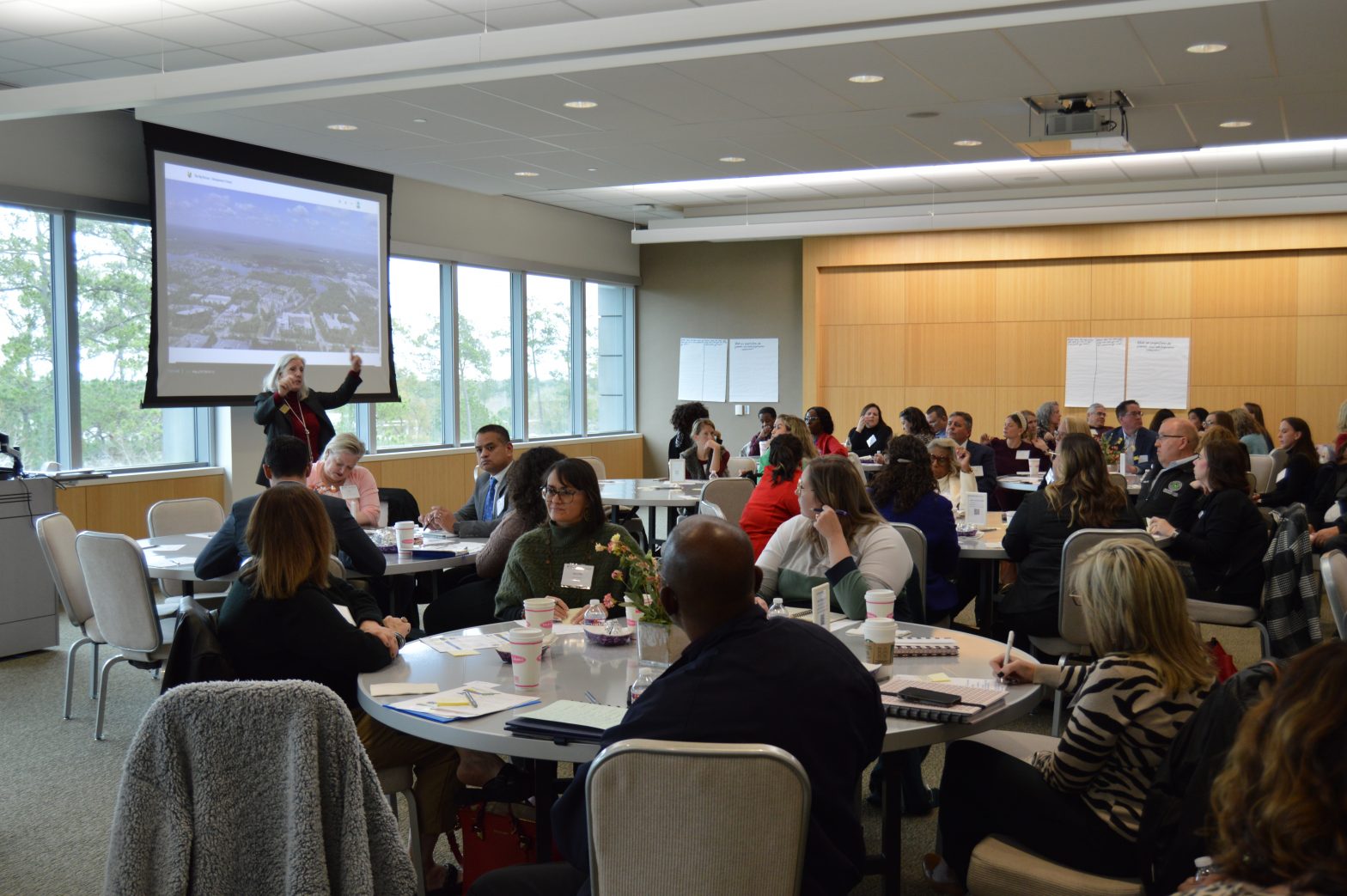
    On January 25, 2023, in partnership with Montgomery County Community Foundation, we hosted our first event of the year: The Big Picture | Montgomery County. The room was full with over 75 leaders across various sectors, including Judge Wayne Mack, Justice of the Peace, Precinct 1, Montgomery County, who assembled the Behavioral Health and Suicide Prevention Task Force in 2020. At this event, Understanding Houston shared key data highlighting Montgomery County’s strengths and challenges, and participants were able to react and respond to the data – the findings of this activity are below.

    Watch the one-minute recap video, view photos from the event, and review the presentation.

    Understanding Montgomery County  

    The program began with Julie Martineau, President & CEO of Montgomery County Community Foundation and member of Understanding Houston’s Advisory Committee. Julie shared how critical it is to use data in decision-making. 

    Data is key to understanding what is happening in our community, where we’ve been, where we are right now, and where we are going. The change makers of Montgomery County are the people who can make an impact and  use data to measure whether it is working or not.

    Julie Martineau, President & CEO, Montgomery County Community Foundation

    Julie explained how Montgomery County Community Foundation works for the present and future well-being of Montgomery County, while Greater Houston Community Foundation works throughout Harris, Montgomery, and Fort Bend counties. Because of this overlap, there is often powerful cross-collaboration between the two foundations. 

    Julie shared how Understanding Houston is a resource for independent and accessible data that organizations, community and civic leaders, and other residents should use to measure progress and effect change. 

    Exploring the Trends and Data 

    Montgomery County has grown significantly, but wages have not kept up

    Montgomery County’s population has grown nearly five times in just 40 years, numbering more than 620,000 according to the 2020 Census. Job growth was double the rate of the state and nearly quadruple the rate of the country, while GDP growth over the last two decades consistently outpaced Fort Bend and Harris counties, the state, and the nation. 

    While GDP grew 82% between 2010 and 2021 in Montgomery County, median household income grew only 7% during the same period. Not only have incomes stagnated, but income inequality has not improved in Montgomery County. 

    Nearly half of all income in Montgomery County went to 20% of the highest-income households, while just 3% of all income went to the bottom 20% of households. While the income gap between white and Hispanic households decreased by 22% between 2010 and 2021, the gender pay gap increased by 41% for the same period, and Hispanic households still earn about two-thirds of what white households earn. 

    Montgomery County’s poverty rate has increased recently, contributing to growing inequality. The percentage of children under five living in poverty increased from a decade-low of 12% in 2017 to 24% in 2021.  

    Nearly 1 in 5 children under the age of five in Montgomery County lives in poverty.

    Households that live above the poverty line but earn less than what it takes to meet basic needs are called ALICE (Asset-Limited, Income-Constrained, Employees) – also known as the working poor. Combining households in poverty and ALICE, nearly two out of every five households in Montgomery County struggle to afford basic necessities like rent, transportation, and food.

    Rent has increased and consumes a larger portion of incomes

    In Montgomery County, rent increased 22% between 2010 and 2021 compared to an 8% decrease in housing costs for homeowners; the percentage of renters that spend at least 30% of their income on housing is double that of homeowners. Some individuals and families will move farther from city centers to access more affordable housing, which can translate into higher transportation costs.

    Montgomery County residents typically spend 53% of their income on housing and transportation alone. On par with L.A. County residents (52%) – a place infamous for its expensive housing market and long commutes.

    While a higher percentage of households in Montgomery County are homeowners (75%) compared to the state (63%) and the nation (65%), the homeownership rate in Montgomery County has not seen any improvement over the last decade.

    Considering rising rents, homeownership appears to be increasingly out of reach for many first-time homebuyers. This is problematic because home ownership is still one of the most effective ways to build wealth and improve economic mobility.

    Where we can afford to live determines more than housing costs

    Where we live determines more than just our housing and transportation costs. It also affects our environment, including the air we breathe and the temperature we feel.

    In Montgomery County, ozone levels were rated “F” by the American Lung Association – the same rating for Harris County. Montgomery County experienced 523 days of extreme heat, defined as 95°F or higher, during the 2010s decade. This extreme heat was a 231-day increase – the equivalent of nearly two-thirds of a year – compared to the previous decade.

    Bad air and extreme heat can lead to premature death and shorter life expectancies as our environment is inextricably linked to our health.

    Poor environment and lack of health care access contribute to poor health

    Over 90,000 Montgomery County residents under the age of 65 do not have health insurance coverage and do not have adequate access to primary care physicians. There is only one primary care physician for every 1,674 residents compared to one for every 1,319 residents in the U.S. overall.

    Clinical guidelines focus on the role of primary healthcare in obesity prevention, and obesity rates in Montgomery County have been up 14 percentage points since 2011. In just a decade, the percentage of residents living with obesity in Montgomery County went from being the lowest in the three-county region to the highest.

    One out of three adults in Montgomery County are living with obesity.

    Adding to healthcare challenges, Montgomery County has less mental healthcare availability than the state, and Texas ranks last across all states in access to mental health treatment. Montgomery County has only one mental health provider for every 1,069 residents.

    Even more concerning, Montgomery County has consistently had the highest suicide rate in the region over the past two decades, and suicidal thoughts for young adults between 18 and 25 in the Houston area have nearly doubled. Research has shown that recent years have been especially difficult for youth and young adults due to social isolation caused by the COVID-19 pandemic and several subsequent traumatic events in recent years.

    Educational outcomes suffered from the impacts of the pandemic

    The pandemic delayed the opportunity to see the full impact of House Bill 3 (HB3), which was signed into law in 2019. HB3 required all pre-K programs to be full-day, which has added benefits over shorter-day programs. Montgomery County saw a 16-percentage point increase in the rate of pre-K students enrolled in full-day programs between 2018 and 2020, despite still having the lowest rate.

    A higher percentage of Montgomery County kindergarteners assessed are considered kinder-ready (57%) compared to Fort Bend (54%) and Harris (45%) counties. However, not all kindergarteners in Texas are assessed equally. Only 31% of Montgomery County kindergarten students were assessed, compared to 96% in Fort Bend County and 90% in Harris County. This rate has been consistently decreasing in Montgomery County compared to a consistent increase in the neighboring counties.

    If we look at a group of Montgomery County eighth graders and their educational journey through higher education, many do not ultimately earn a higher education degree or certificate. For every 100 students enrolled in eighth grade during the 2011-12 school year, 80 graduated from high school, 50 enrolled in a Texas higher education institution, and only 22 earned a credential or degree by the time they turned 25. Among economically-disadvantaged students, only 10% earned a degree or certificate compared to 30% of their wealthier peers.

    Place-based disparate outcomes

    Montgomery County’s economy has grown significantly, but that growth has not translated into growing wealth and prosperity for all residents. Income inequality has not improved, the poverty rate has increased, and nearly two out of five households struggle to afford basic needs. This inequality exacerbates the disparate impacts of rising rents, worsening environment, and low access to healthcare, which play a role in the vastly different outcomes we see for residents. According to research from Opportunity Atlas, one’s childhood zip code can tell a great deal about expected outcomes within each county.

    On average, a child from a low-income family who grew up in Conroe earned a household income of $24,000 as an adult, whereas a low-income child from The Woodlands earned $53,000. About 38% of women who grew up in low-income families in a neighborhood in Conroe became teenage moms compared to 5% of low-income women from a neighborhood in The Woodlands.

    [The] community is not fully informed about what is truly happening in rural parts of [the] county. It’s easy in The Woodlands to be isolated from the poverty.

    Anonymous Participant

    These problems cannot be solved alone. Cross-sector conversation and collaboration are required for Montgomery County to truly be a place where all its residents have the resources and opportunities they need to prosper.

    Results from the Group Discussion

    Given that many often need more time or capacity to converse and collaborate with those outside their organization, attendees were given time to reflect on how the data may align with what they see in the communities they reside, work in, and serve. Attendees reported that:

    • Many Montgomery County households struggle to afford basic needs, and there are disparities between neighborhoods regarding health, access to services, income, and housing.
    • There has been an increase in mental health issues among Montgomery County residents, youth and young adults in particular, and it is difficult to access mental healthcare.
    • Residents are often underinsured or uninsured, and there is a high use of emergency room services in place of primary/preventative care.
    • There is a severe lack of affordable housing.

    Realizing that the county-level averages provided in the presentation can mask differences across various communities, attendees were asked how the data may need to align with what they see in the more granular communities they reside, work in, and serve. Attendees reported that:

    • Even though the data shows more access to mental health providers than primary care physicians in Montgomery County, mental health seems more difficult to access than primary/preventative care.
    • Schools in the south of the County appear to have better student outcomes than the county-level data show.
    • Access to health care is not a pressing issue within specific Montgomery County communities, likely due to new hospital facilities.
    • They do not see a reduction in the income gap between white and Hispanic households through the community they serve.

    Given time limitations, not all quality-of-life indicators from the website were included in the data presented. Some issues attendees noted that were not in the presentation but were pressing challenges in the communities they serve were:

    • The lack of resources available to support individuals with autism spectrum disorder and with intellectual or developmental disabilities.
    • The lack of resources and services for the growing numbers of older adults (age 65+).
    • The income gap between white and Black households.
    • Lack of public transportation.
    • Food insecurity and food deserts.

    Based on the most common themes discussed, mental health and poverty, the rest of the session was dedicated to discussing potential projects and ideas for collaboration around these two issues. Some of the suggestions that came out of the discussion were:

    Mental Health

    • Partnering with local colleges to better prepare and increase the workforce of mental health practitioners.
    • Funding for mental health provider salaries to increase the workforce.
    • Establishing Community peer support groups.
    • Differentiating between mental illness and mental health and collaborating to utilize alternative services to help with mental health, such as community, exercise, animals, nature, etc.
    • Leveraging telehealth to circumvent obstacles such as transportation.

    Poverty

    • Increasing the minimum wage to something that accurately reflects the cost of living.
    • Creating mixed-income communities to ensure affordable housing is available in high-opportunity areas.
    • Providing more mentorship to students, including expanding career and technical education (CTE) opportunities, local trade school resources, and removing barriers for individuals to further their education.
  • Key Insights from The Big Picture | Fort Bend County

    Key Insights from The Big Picture | Fort Bend County

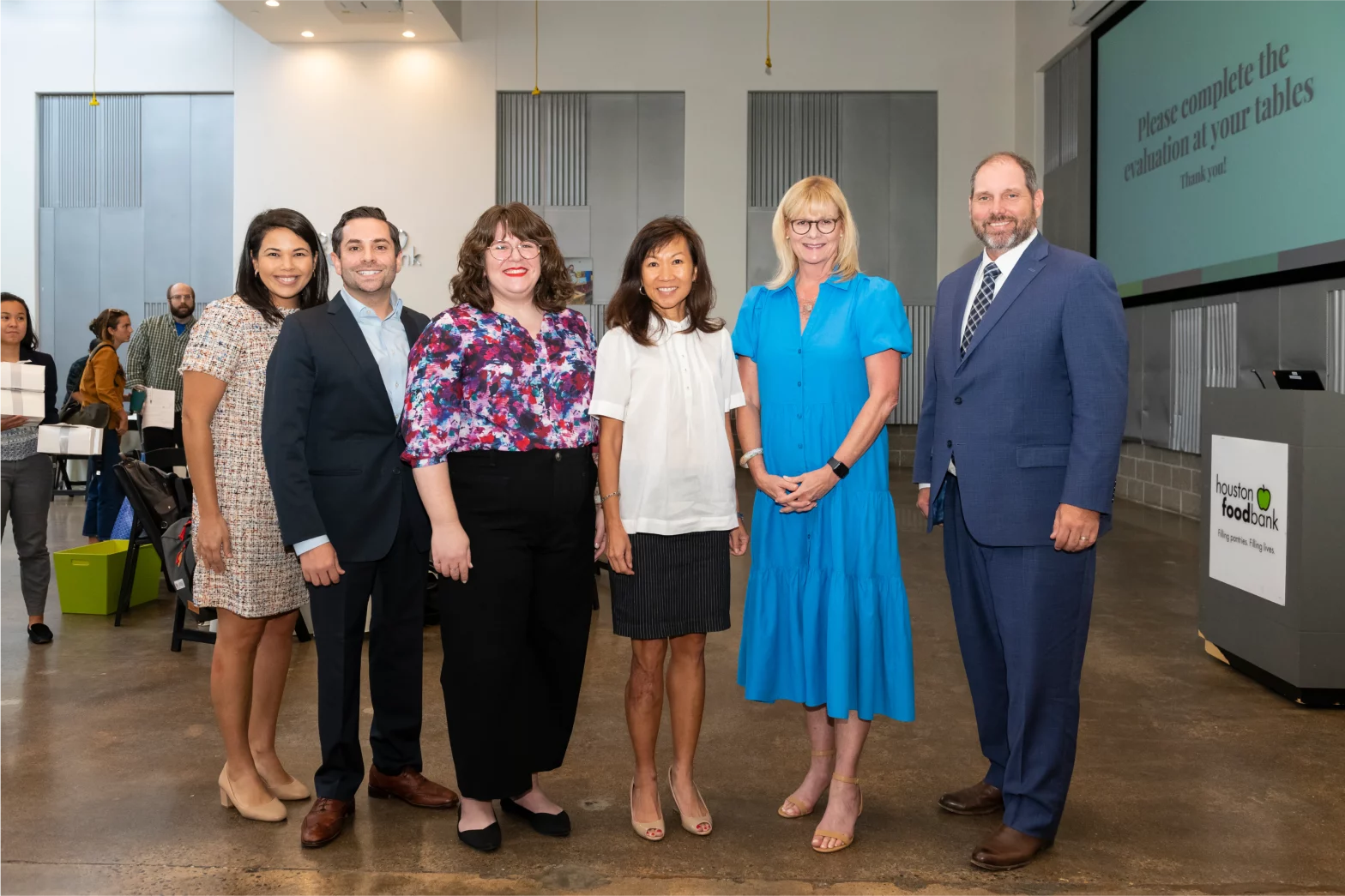
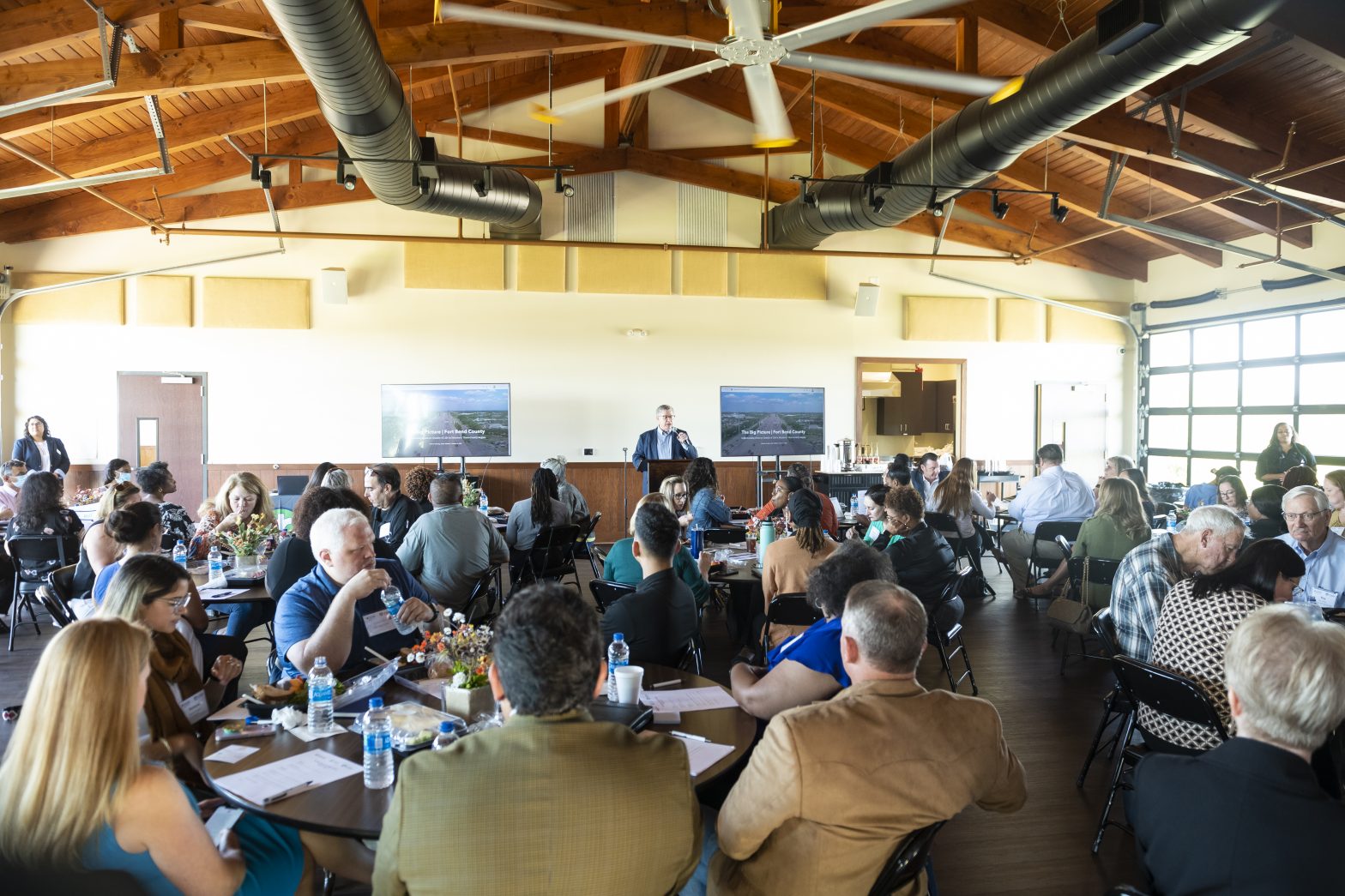
    On October 6, 2022, Fort Bend County residents convened at Long Acres Ranch in Richmond, TX, to learn, engage, and explore ways to solve some of the county’s most significant challenges. At this event, Understanding Houston shared key data highlighting Fort Bend County’s strengths and challenges. Guests also heard from representatives from Fort Bend County Health & Human Services (FBCHHS) about significant findings from their recent Community Health Assessment. This event was unique as it was the first time Understanding Houston partnered with a county department for a presentation.

    Fort Bend County Health & Human Services Team

    Painting the Picture

    The program began with Steve Maislin, President and CEO of Greater Houston Community Foundation, who shared an overview of the Foundation’s work and how it was established in 1995 to inspire and create meaningful change with our donors and for our community. In addition to being the Houston region’s hub for all charitable solutions, the Foundation is well-positioned to help its donors identify and invest in a validated network of agency partners throughout the Greater Houston region.

    The next speaker was Dr. Jacquelyn Johnson-Minter, Director of FBCHHS. Dr. Minter shared how FBCHHS is the principal agency for protecting the health of Fort Bend County residents and providing essential human services. Dr. Minter emphasized the importance of the cross-collaboration needed for their ongoing response in addition to the emergency relief they provide during times of disaster. She conveyed that no one person or entity can solve the problems outlined in the forthcoming presentation alone, and this event was designed to help share the data needed to ignite cross-sector collaboration to address significant regional challenges.

    Guests also heard from Rocaille Roberts, Program Officer at The George Foundation, where she helps to oversee how The George Foundation partners with the community to impact Fort Bend County and its residents positively. She encouraged everyone in the room, in their professional and personal life, to be open-minded about what resources we can all leverage to make an impact, as we all need to collectively think outside the box. She also shared how data helps their foundation make strategic choices about what issue areas to prioritize.

    Sharing the Data

    Population Growth

    This leads us to the data shared by representatives from Understanding Houston. First, Nadia Valliani, Director of Community Philanthropy, began by grounding the conversation in the county’s population growth and change over time. Fort Bend County’s population has grown over 500% in the last 40 years.

    Fort Bend County’s population has grown over 500% in the last 40 years.

    Along with large population growth, there has also been a dramatic change in who makes up Fort Bend’s population. International migration is a large contributor to Fort Bend’s population growth, with one out of three residents being foreign-born in 2021, the highest rate in the three-county region, which includes Harris and Montgomery counties. Additionally, Fort Bend’s population has shifted from majority-white to an almost completely equal distribution of each major racial/ethnic group. Valliani shared how population growth is a significant strength as it helps to expand the economy and workforce. However, if not planned for properly, population growth can put stress on our infrastructure and environment. While the region’s diversity is a point of pride as it is an asset and opportunity to lead the country, diversity does not automatically mean inclusivity.

    Fort Bend’s population has shifted from majority-white to an almost completely equal distribution of each major racial/ethnic group

    The data shows that economic opportunity and prosperity are not shared among all residents in Fort Bend County. While the median household income in Fort Bend County, at $97,210, is higher than in Texas and the U.S., Fort Bend has larger income disparities by race/ethnicity. The income gap between white and Hispanic households in Fort Bend County was nearly $42,000 in 2019, according to data from the Federal Reserve. In Fort Bend County, income has grown by about 7% in the past decade compared to 15% for the nation and 21% for Texas. Fortunately, fewer people are living in poverty, but there are racial/ethnic disparities here as well. About one in 10 Black and one in 14 Hispanic residents in Fort Bend live in poverty compared to one in 20 white residents, according to data from the 2019 American Community Survey.

    Fort Bend County is one of the most diverse and wealthy counties in the nation, but wealth has not grown meaningfully for all. This has wide-ranging implications contributing to gaps in housing affordability and health outcomes.

    Residential Infrastructure and Health

    Next, we heard from Chelsea Cheung, Senior Data and Learning Analyst. Cheung shared how the rising cost of housing has disproportionately impacted renters. She revealed how homeownership can be critical to wealth creation and upward mobility, as that wealth can be passed on to future generations. A higher percentage of Fort Bend County residents are homeowners compared to the state and nation; and while homeownership disparities exist by race and ethnicity in Fort Bend County, the disparities are smaller when compared to Texas and the U.S. However, median home values rose 62% between 2010 and 2019 in Fort Bend County, nearly double the national increase of 34%. For the same time period, the median monthly costs for homeowners with a mortgage increased by 4% compared to a 21% increase for renters. In Fort Bend County, nearly one in five renters spend more than half of their income on housing alone. For Fort Bend renters with stagnant wages who face soaring rents, the cost of achieving the American dream has increasingly become practically unachievable.

    In Fort Bend County, nearly one in five renters spend more than half of their income on housing alone.

    Cheung then addressed how where we live affects our environment and, by extension, our health and the health services available. Unfortunately, Texas has had the highest percentage of residents without health insurance in the United States for the last decade. In 2019, about 41,000 residents between the ages of 19 and 64 in Fort Bend County were uninsured, with one-third of Hispanic adults younger than 65 in Fort Bend being uninsured. In 2020, half of all deaths in Fort Bend were caused by heart disease, cancer, and COVID-19. In addition, in 2019, over 25% of Fort Bend County residents 18 and older reported no leisure-time physical activity in the past month, and over 15% rated their health as poor or fair. With more than a quarter of adult residents in Fort Bend County living with obesity, it is time to look at increasing access to and uptake of healthier options for residents.

    Cheung then spoke about mental health and prenatal care. In Fort Bend County, the number of pregnant women who received early prenatal care declined 10 percentage points in just one year between 2020 and 2019, a decline not seen in Harris or Montgomery counties. In addition, Fort Bend County has the highest ratio of residents to mental health care providers in our three-county region and compared to the state and nation. This shortage of mental health providers is especially problematic because over one in 10 Fort Bend residents reported experiencing at least two weeks of poor mental health within a one-month period in 2019. 

    Identifying Community Priorities

    The final speaker was Carrie Rai, Performance and Innovation Specialist from FBCHHS, who shared an overview of their recent Community Health Assessment. This Community Health Assessment is the first in Fort Bend County in 15 years. In addition to using data from various sources like Understanding Houston and local hospitals, they also collected their own data by conducting 25 key informant interviews and distributing 845 surveys to community residents.  

    Through their research, FBCHHS collected data on health outcomes related to health care, health behavior, social and community factors, and the physical and built environment. While they learned that Fort Bend County performs well in several areas, there were a few areas that were flagged as community priorities, including mental health, obesity, heart disease, housing affordability, and prenatal care access.

    Mental Health 

    Rai shared that 37% of survey respondents had at least one day of poor mental health in the past month, and 46% indicated that mental health had been a problem within their households this past year. She also shared that suicide rates in Fort Bend County vary by race and ethnicity, with the highest rates of suicide being in the white population. These high rates of poor mental health are complicated by the shortage of mental health providers in Fort Bend County, as there is only one mental health provider for every 1,210 residents compared to a ratio of one mental health provider for every 760 Texans. Their data also showed that 14% of respondents needed mental health services but did not receive them. When asked why they did not receive mental health services, 34% said they could not afford to, and 27% said it took too long to receive services.  

    Obesity

    While Fort Bend County has lower obesity rates than other counties in the region, it is still a top health issue, as nearly 30% of Fort Bend County residents are obese. In addition, results from the Community Health Assessment indicated that 40% of survey respondents were concerned with poor eating habits while 39% were concerned with lack of exercise. Only 8% of survey respondents are consuming enough fruits and vegetables, and 60% are not getting enough exercise. 

    Heart Disease

    Heart disease is the leading cause of death in Fort Bend County. Breaking it down by race/ethnicity, according to CDC WONDER, the Black or African American and white populations in Fort Bend County had the highest rates of deaths related to heart disease in 2020. Heart Disease was the fifth most cited health issue by survey respondents and key informants.  

    Housing Affordability

    Housing in Fort Bend County is another area of focus due to affordability challenges. In 2022, County Health Rankings found that the Fair Market Rent (FMR) is $1,208 in Fort Bend County, whereas, across Texas, the average FMR is $1,172. In addition, 32% of survey respondents and 55% of key informants said that affordable housing is a resource/service that is missing in Fort Bend County. 

    Prenatal Care Access 

    The last priority issue Rai shared was about prenatal care, which has been viewed as a strategy to improve pregnancy outcomes for more than a century. Fort Bend County has higher rates of low birthweights than the national goals set by Healthy People 2020. In addition, in Fort Bend County, there has been a 10-percentage point drop in women who receive prenatal care from 2019 to 2020, and in that same time period, the percentage of pregnant women receiving no prenatal care in Fort Bend County increased more significantly compared to the state and the nation.  

    Paving a Path Forward 

    In closing, Rai shared how the data collected by FBCHHS reflects similar data to what was presented by Understanding Houston. She shared that as a health department, they share this information to get feedback on how the community should work together to address these priority issues.  

    Attendees then broke into smaller groups where members of the FBCHHS staff facilitated discussions. Each group picked one of the five priority topics to brainstorm solutions around. All discussions and data shared within each group were logged by an FBCHHS staff member. Information was also shared about ways different people or organizations can participate in addressing these priorities.  

    If you are interested in learning more about the data presented or attending an upcoming program, please contact understandinghouston@ghcf.org.  

  • Key Insights from our Ending Homelessness in Houston Event

    Key Insights from our Ending Homelessness in Houston Event

    On September 21, 2022, Greater Houston Community Foundation hosted a program to celebrate the progress made in reducing homelessness in the Houston three-county area and explore how we can continue to work together to end homelessness in Houston.  

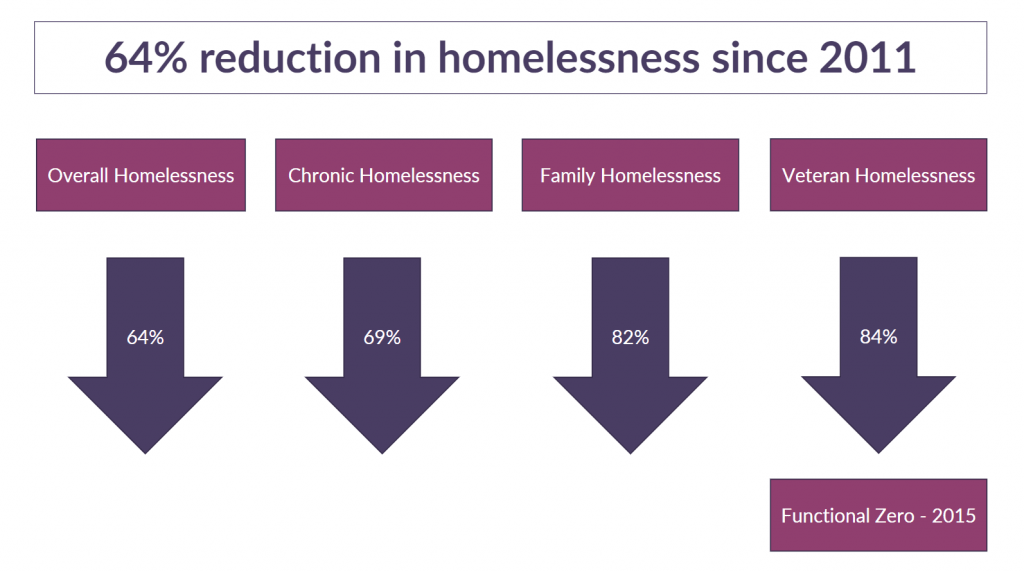
    Source: Coalition for the Homeless of Houston, Harris County, 2022 Homeless Count & Survey Results

    Results from the 2022 Homeless Count Survey done by the Coalition for the Homeless of Houston, indicate that since 2011, there has been a 64% reduction in the number of people experiencing homelessness in the Houston region, and in June 2015, homelessness among veterans was effectively ended. The Houston region’s successful collaborative approach to tackling this issue has received national recognition. It is a model for other cities as mayors and leaders from cities like Los Angeles and Denver want to learn from leaders in Houston.  

    Much of the region’s success can be attributed to The Way Home Houston, a collective effort to prevent and end homelessness in Houston and throughout Harris, Fort Bend, and Montgomery counties. With over 100 partners from all areas of the community, The Way Home Houston has created synergy to help the region achieve this transformation.  

    The event kicked off with Charmet Findley, a Houston native who serves as co-chair of the Youth Action Board of The Way Home Youth Homeless Demonstration Program. Findley faced many hardships while growing up in the foster care and juvenile criminal legal systems. He shared with us how he did not know how to secure housing or employment that would lay a solid foundation for stability and a career. Fortunately, Findley was resilient and found his way, but not everyone is this lucky. Findley uses his experiences to help bridge this gap and to serve as a mentor to youth currently involved in systems. 

    Curating a Coalition

    We then heard from Sara Martinez, Vice President of Development at the Coalition for the Homeless of Houston/Harris County. Martinez described the progress that our region has made in reducing homelessness by increasing collaboration among service providers and simplifying the path out of homelessness. Since July 2022, there has been a $165 million investment in the Community COVID Houston Program (CCHP), which focuses on providing permanent housing Houston with robust client support. As of August 2022, more than 10,000 people have been served by CCHP funding.

    Source: Sara Martinez, Coalition for the Homeless presentation on September 21, 2022

    Martinez also shared data on the strategy of moving people from encampments only if they had a place to go. Since this strategy was adopted, The Way Home partners have decommissioned 57 encampments, engaged 343 individuals, and housed 90% of the individuals they engaged. As the work continues to end homelessness in Houston, the Coalition will continue to prioritize increasing permanent housing, strengthening relationships with other systems to expand resources and keep people stably housed, and increasing advocacy around homelessness and related issues to improve the system’s impact.

    Housing Affordability and Homelessness

    Next, Luis Guajardo, Urban Policy Research Manager at Rice University’s Kinder Institute for Urban Research, who presented data on housing affordability in Houston. Guajardo explained that home ownership offers more than just refuge from the outside world. It also shapes our access to healthcare and career prospects and is the most relevant asset for wealth generation. Guajardo shared three themes that are clear through his research.

    Source: Luis Guajardo, Kinder Institute for Urban Research presentation on September 21, 2022

    Renters and homeowners face varying obstacles. From 2011 to 2021, there was a $100,000 increase in the gap between the price renters could afford and actual home prices. In addition, people who rent increasingly pay more of their income on housing. According to the U.S. Census Bureau, in 2019, 20% of homeowners spent 30% or more of their annual income on housing, while 51% of renters spent 30% or more of their annual income on housing.

    Source: Luis Guajardo, Kinder Institute for Urban Research presentation on September 21, 2022

    The real estate market is not meeting the needs of low-income Houstonians, and public sector efforts are insufficient. Today, 500,000 households in Harris County have difficulty affording their homes. The public sector has not been able to offer enough support to offset market failures as there is a shortage of affordable homes available to lower-income households. In addition, according to Eviction Lab, Harris County is a national leader in evictions, with 36,448 eviction filings this year as of September 21. That equates to 1 in every 22 rental households in Harris County being faced with eviction filings.

    Because of our region’s strong population and job growth, we are going to continue to need affordable housing, particularly for housing under 60% of Area Median Income (AMI). We already have massive supply shortages, and without significant investment and action, Houston’s affordable housing needs will worsen in the next 10 years if the market is not responsive.

    Guajardo ended with recommendations to advance housing affordability. Harris County’s Housing Department aims to build more affordable housing over the next 10 years. Because of limited funding, it will take collaboration from all sectors (i.e., public, private, philanthropic, nonprofit, etc.). We need to plan for lasting housing affordability and availability to ensure we are not in the same predicament in three decades.

    Panelist Discussion

    The next portion of the program was a panel discussion moderated by Sara Martinez, where the audience was invited to submit specific questions for the panel. Below is a sample of the questions and the responses of our panelists. Responses have been edited for clarity. 

    Martinez: Considering the work that each of you do that intersects with homelessness, what is the biggest challenge that you see right now, at this moment?

    Thao Costis: Funding is something that we all struggle with on the nonprofit side. Particularly because we work with people experiencing homelessness, we focus on housing and getting people off the streets with support, and they need the support for a long time. So sustainable funding is something that we continue to struggle with.

    Leslie Bourne: One issue that my staff and I have the most concerns about is mental health. We used to say, about six years ago, we would say about 35% to 40% of our youth suffer from mental health issues. That’s more than double now. It is one of the main challenges we see among youth who experience homelessness.

    Martinez: We know that a lot of adults experiencing homelessness cite an economic trigger as the precipitating event for their homelessness. What do you [Bourne] see with youth experiencing homelessness, what are their triggers?

    Bourne: We see young adults subjected to human trafficking, who were in the foster care system, and are involved in the juvenile justice system, which tends to follow them throughout their life. At Covenant House, about 36% of our clients self-report involvement in the justice system. So, we work with youth coming out of the foster care system, the trauma of that, the trauma coming out of the justice system, and a lot of times that plays into being homeless.

    Martinez: The 2022 Point-in-Time Count found that half of people who experience homelessness self-report serious mental illness and/or a substance abuse disorder. A national study states that people who have been incarcerated are 13 times more likely than the general public to experience homelessness. Can you elaborate on the intersection of these issues and what that looks like here in our region?

    Wayne Young: There is this concept where people often accent mental illness in relation to where they see people in the homelessness system. They see these individuals in encampments and are homeless, and think “of course, they have a mental illness.”

    There is the other population whose mental illness is what creates that spiral. They don’t recognize that they have a mental illness. Half of the people in this country who have a mental illness receive treatment in a given year. So, when you think about all the complexity that comes with being able to access mental health services, or not engaging in treatment — or treatment is not effective – the result is that people who experience homelessness and mental health challenges – but don’t get treatment – can tend to engage in advert behaviors that tend to cause them to lose jobs, get evicted, and lose their social support.

    Martinez: We face so many challenges, how do you stay positive and maintain optimism?

    Marc Eichenbaum: At the end of the day, it is the ethos of Houston. When we look at our city and how we rise to challenges. The reality is other cities don’t do this. Houston has the chutzpah to really dream big and turn dreams into reality.

    The organizations up here aren’t saying “we are going to end homelessness” because it is a platitude or slogan, they say it because they really believe it. It is something I believe in because we have shown so much progress, and we are on the right path. We have this collective system with all the tools. We have this engine, and all that engine needs is a little gas — the resources — to really make sure that it [engine] goes.

    Click here to watch highlights of the event. If you are interested in learning more about the data presented or attending an upcoming program, please contact understandinghouston@ghcf.org.