On September 21, 2022, Greater Houston Community Foundation hosted a program to celebrate the progress made in reducing homelessness in the Houston three-county area and explore how we can continue to work together to end homelessness in Houston.
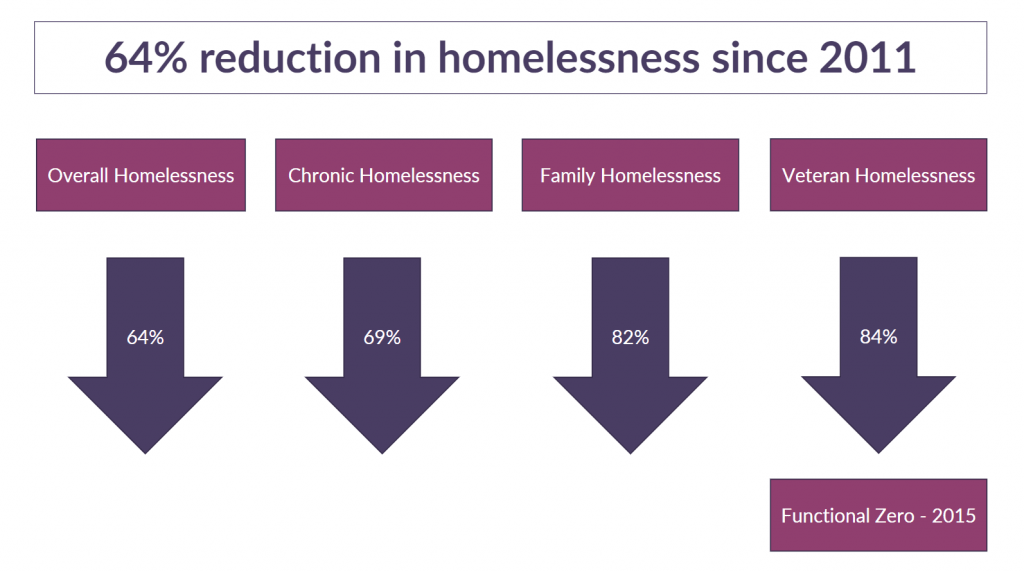
Results from the 2022 Homeless Count Survey done by the Coalition for the Homeless of Houston, indicate that since 2011, there has been a 64% reduction in the number of people experiencing homelessness in the Houston region, and in June 2015, homelessness among veterans was effectively ended. The Houston region’s successful collaborative approach to tackling this issue has received national recognition. It is a model for other cities as mayors and leaders from cities like Los Angeles and Denver want to learn from leaders in Houston.
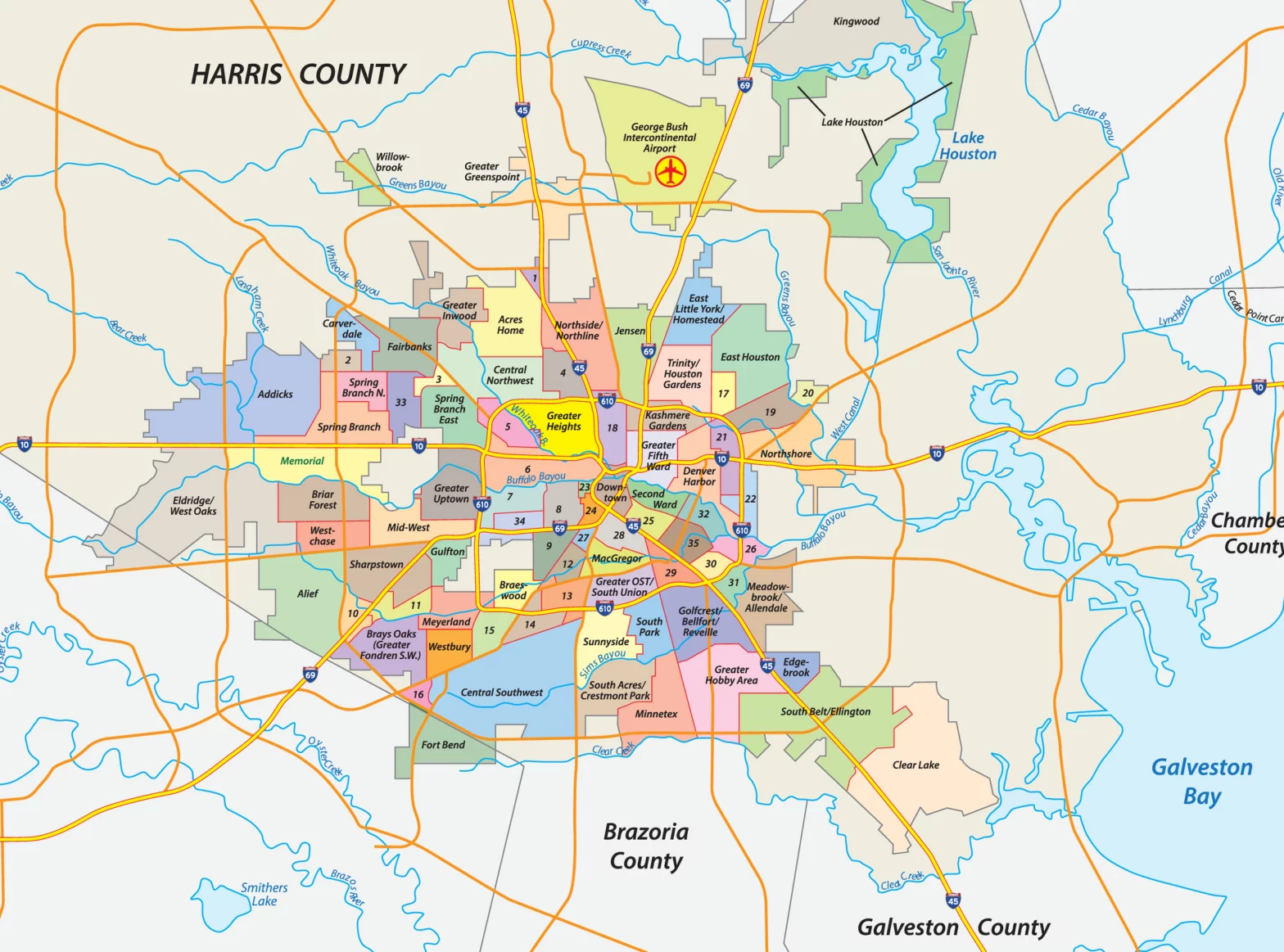
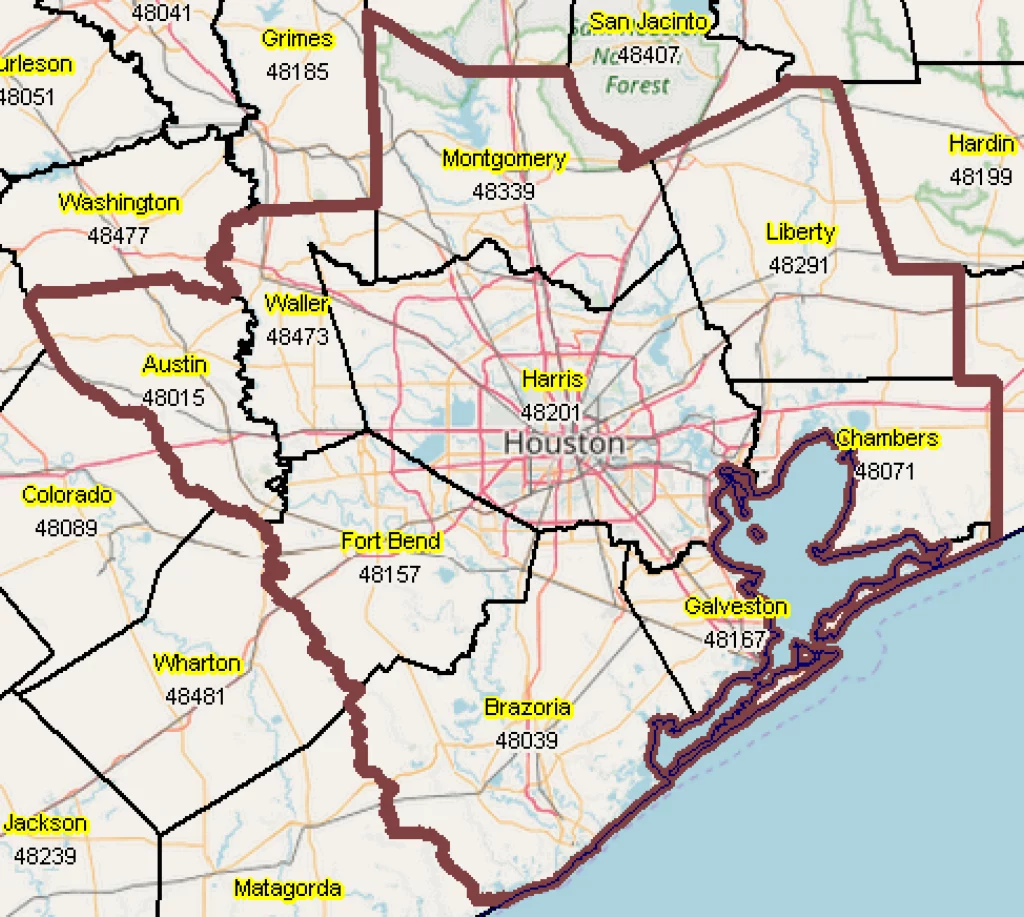
Much of the region’s success can be attributed to The Way Home Houston, a collective effort to prevent and end homelessness in Houston and throughout Harris, Fort Bend, and Montgomery counties. With over 100 partners from all areas of the community, The Way Home Houston has created synergy to help the region achieve this transformation.
The event kicked off with Charmet Findley, a Houston native who serves as co-chair of the Youth Action Board of The Way Home Youth Homeless Demonstration Program. Findley faced many hardships while growing up in the foster care and juvenile criminal legal systems. He shared with us how he did not know how to secure housing or employment that would lay a solid foundation for stability and a career. Fortunately, Findley was resilient and found his way, but not everyone is this lucky. Findley uses his experiences to help bridge this gap and to serve as a mentor to youth currently involved in systems.
Curating a Coalition
We then heard from Sara Martinez, Vice President of Development at the Coalition for the Homeless of Houston/Harris County. Martinez described the progress that our region has made in reducing homelessness by increasing collaboration among service providers and simplifying the path out of homelessness. Since July 2022, there has been a $165 million investment in the Community COVID Houston Program (CCHP), which focuses on providing permanent housing Houston with robust client support. As of August 2022, more than 10,000 people have been served by CCHP funding.
Martinez also shared data on the strategy of moving people from encampments only if they had a place to go. Since this strategy was adopted, The Way Home partners have decommissioned 57 encampments, engaged 343 individuals, and housed 90% of the individuals they engaged. As the work continues to end homelessness in Houston, the Coalition will continue to prioritize increasing permanent housing, strengthening relationships with other systems to expand resources and keep people stably housed, and increasing advocacy around homelessness and related issues to improve the system’s impact.
Housing Affordability and Homelessness
Next, Luis Guajardo, Urban Policy Research Manager at Rice University’s Kinder Institute for Urban Research, who presented data on housing affordability in Houston. Guajardo explained that home ownership offers more than just refuge from the outside world. It also shapes our access to healthcare and career prospects and is the most relevant asset for wealth generation. Guajardo shared three themes that are clear through his research.
Renters and homeowners face varying obstacles. From 2011 to 2021, there was a $100,000 increase in the gap between the price renters could afford and actual home prices. In addition, people who rent increasingly pay more of their income on housing. According to the U.S. Census Bureau, in 2019, 20% of homeowners spent 30% or more of their annual income on housing, while 51% of renters spent 30% or more of their annual income on housing.
The real estate market is not meeting the needs of low-income Houstonians, and public sector efforts are insufficient. Today, 500,000 households in Harris County have difficulty affording their homes. The public sector has not been able to offer enough support to offset market failures as there is a shortage of affordable homes available to lower-income households. In addition, according to Eviction Lab, Harris County is a national leader in evictions, with 36,448 eviction filings this year as of September 21. That equates to 1 in every 22 rental households in Harris County being faced with eviction filings.
Because of our region’s strong population and job growth, we are going to continue to need affordable housing, particularly for housing under 60% of Area Median Income (AMI). We already have massive supply shortages, and without significant investment and action, Houston’s affordable housing needs will worsen in the next 10 years if the market is not responsive.
Guajardo ended with recommendations to advance housing affordability. Harris County’s Housing Department aims to build more affordable housing over the next 10 years. Because of limited funding, it will take collaboration from all sectors (i.e., public, private, philanthropic, nonprofit, etc.). We need to plan for lasting housing affordability and availability to ensure we are not in the same predicament in three decades.
Panelist Discussion
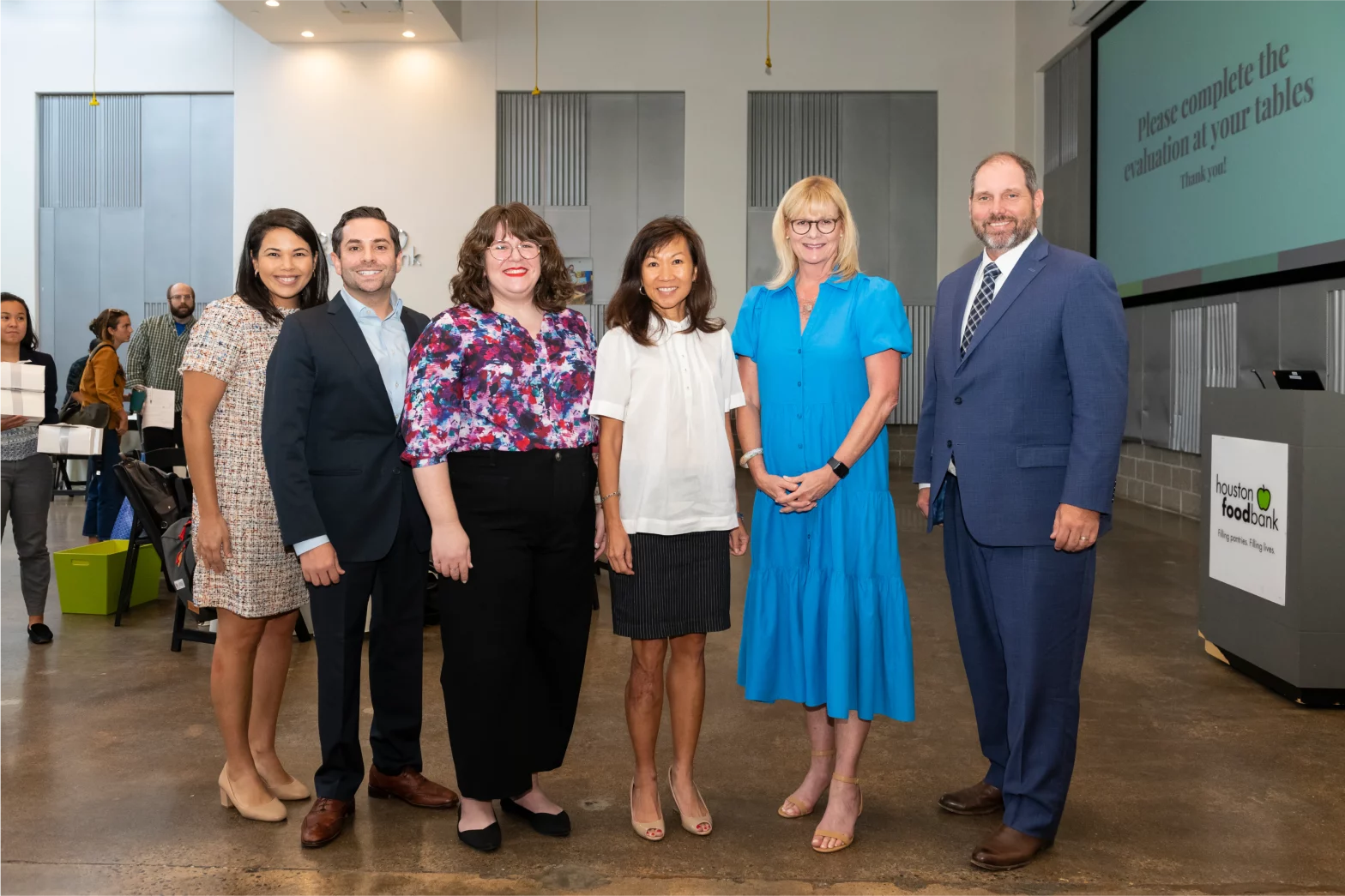
The next portion of the program was a panel discussion moderated by Sara Martinez, where the audience was invited to submit specific questions for the panel. Below is a sample of the questions and the responses of our panelists. Responses have been edited for clarity.
Martinez: Considering the work that each of you do that intersects with homelessness, what is the biggest challenge that you see right now, at this moment?
Thao Costis: Funding is something that we all struggle with on the nonprofit side. Particularly because we work with people experiencing homelessness, we focus on housing and getting people off the streets with support, and they need the support for a long time. So sustainable funding is something that we continue to struggle with.
Leslie Bourne: One issue that my staff and I have the most concerns about is mental health. We used to say, about six years ago, we would say about 35% to 40% of our youth suffer from mental health issues. That’s more than double now. It is one of the main challenges we see among youth who experience homelessness.
Martinez: We know that a lot of adults experiencing homelessness cite an economic trigger as the precipitating event for their homelessness. What do you [Bourne] see with youth experiencing homelessness, what are their triggers?
Bourne: We see young adults subjected to human trafficking, who were in the foster care system, and are involved in the juvenile justice system, which tends to follow them throughout their life. At Covenant House, about 36% of our clients self-report involvement in the justice system. So, we work with youth coming out of the foster care system, the trauma of that, the trauma coming out of the justice system, and a lot of times that plays into being homeless.
Martinez: The 2022 Point-in-Time Count found that half of people who experience homelessness self-report serious mental illness and/or a substance abuse disorder. A national study states that people who have been incarcerated are 13 times more likely than the general public to experience homelessness. Can you elaborate on the intersection of these issues and what that looks like here in our region?
Wayne Young: There is this concept where people often accent mental illness in relation to where they see people in the homelessness system. They see these individuals in encampments and are homeless, and think “of course, they have a mental illness.”
There is the other population whose mental illness is what creates that spiral. They don’t recognize that they have a mental illness. Half of the people in this country who have a mental illness receive treatment in a given year. So, when you think about all the complexity that comes with being able to access mental health services, or not engaging in treatment — or treatment is not effective – the result is that people who experience homelessness and mental health challenges – but don’t get treatment – can tend to engage in advert behaviors that tend to cause them to lose jobs, get evicted, and lose their social support.
Martinez: We face so many challenges, how do you stay positive and maintain optimism?
Marc Eichenbaum: At the end of the day, it is the ethos of Houston. When we look at our city and how we rise to challenges. The reality is other cities don’t do this. Houston has the chutzpah to really dream big and turn dreams into reality.
The organizations up here aren’t saying “we are going to end homelessness” because it is a platitude or slogan, they say it because they really believe it. It is something I believe in because we have shown so much progress, and we are on the right path. We have this collective system with all the tools. We have this engine, and all that engine needs is a little gas — the resources — to really make sure that it [engine] goes.
Click here to watch highlights of the event. If you are interested in learning more about the data presented or attending an upcoming program, please contact understandinghouston@ghcf.org.